






The Power of a Singular Vision
Before the iPad, the tech world was chasing the netbook—a cheap, clunky, miniature laptop that did everything poorly. Apple’s answer wasn't a better netbook; it was a complete rejection of the premise. The iPad project was driven by a brutally simple
and uncompromising vision: create a single pane of glass for consuming media. This goal, dictated from the top by Steve Jobs, became a non-negotiable constraint that forced radical engineering decisions. There was no keyboard, no clamshell hinge, and no trackpad. Every feature that didn't serve the primary purpose of an intimate, screen-first experience was eliminated. This top-down, product-focused clarity is a lesson modern teams often forget in a world of feature creep and design by committee. It taught engineers that the hardest part of their job isn't adding features, but defending a core concept against a thousand good ideas that dilute it.
Hardware and Software Must Be One
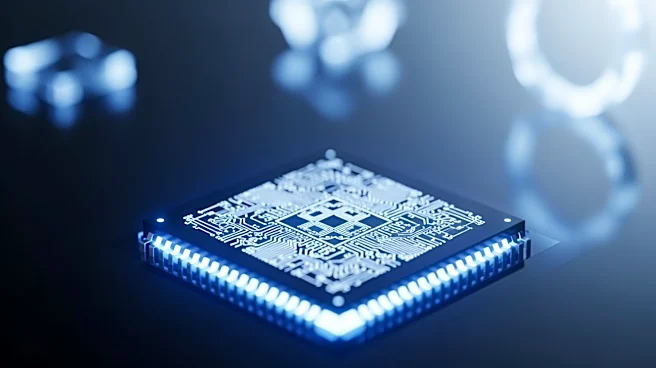
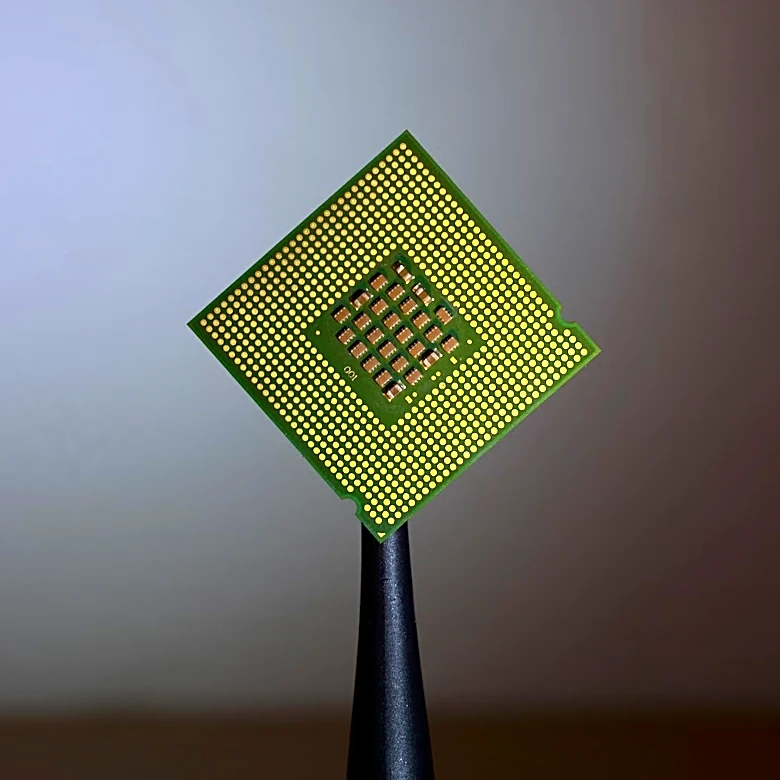
The iPad’s magic wasn't just its form factor; it was the fluidity of its software. This was no accident. The device was powered by the A4, Apple's first-ever custom-designed system-on-a-chip. At the time, most companies bought processors off the shelf from suppliers like Intel or Qualcomm and then built software to run on them. Apple flipped the script. By designing its own silicon, the hardware and software teams could work in lockstep. The software team knew exactly what the chip was capable of, and the chip team could optimize its architecture for the specific demands of the operating system. This vertical integration created a level of performance and battery efficiency that competitors couldn't match with off-the-shelf parts. Today, this is the playbook for any company serious about performance. Google has its Tensor chips for Pixel phones, Amazon has Graviton for its servers, and Tesla designs its own silicon for autonomous driving. The iPad proved that owning the entire stack, from silicon to software, is the ultimate competitive advantage.
Manufacturing Is Part of the Product
A brilliant prototype is useless if you can't build millions of them. The iPad’s slim, aluminum unibody enclosure looked simple, but it was a manufacturing nightmare. Apple’s engineers didn't just design a product and throw it over the wall to a factory in China. They redesigned the manufacturing process itself. The company invested heavily in computer-numerical control (CNC) milling machines, a process typically reserved for low-volume aerospace parts, and adapted it for mass production. They developed new techniques for milling the complex internal structure from a single block of aluminum, ensuring a level of rigidity and precision that was unheard of in a consumer device. This approach treated the factory floor as an extension of the design lab. The lesson for modern engineering is profound: don't design something your manufacturing partners can't build at scale. Better yet, innovate on the manufacturing process itself to enable designs that were previously impossible.
The Courage to Subtract
What the first iPad didn't have was just as important as what it did. It launched with no camera, no support for Adobe Flash (a web standard at the time), no multitasking for third-party apps, and a glaring lack of USB ports. Each omission was a source of intense criticism. Pundits called it a crippled device. But each 'no' was a deliberate choice to protect the core experience. Forgoing a camera kept the device thinner and cheaper. Rejecting Flash, which was a notorious battery hog and security risk on mobile, forced the web to move toward the more efficient HTML5 standard. Limiting multitasking ensured that the foreground app always had the system’s full attention, making it feel fast and responsive. This taught a generation of product developers that true elegance comes from subtraction, not addition. It’s a principle of disciplined focus that separates great products from good ones—a willingness to disappoint a few users to delight the majority with a simpler, more reliable experience.