
The Great Spec Sheet Misunderstanding
When you're shopping for parts, it's easy to get tunnel vision. Marketing blasts the gigahertz (GHz) of a CPU or the gigabytes (GB) of a graphics card's video memory (VRAM) as the ultimate measure of performance.
While these numbers aren't meaningless, they don't tell the whole story. A gaming PC is a team, not a single superstar. If your star quarterback (the GPU) is waiting on a slow offensive line (the CPU and RAM), it doesn't matter how great their arm is. This is where pre-built PCs, especially at the budget end, often cut corners. They might feature an impressive-sounding GPU to lure you in, but pair it with slow RAM or an underpowered processor, creating a system that looks great on paper but stumbles in practice. True performance comes from balance, where every component allows its teammates to operate at their full potential.
What a 'Bottleneck' Actually Is
The term “bottleneck” gets thrown around a lot, but what does it mean? Imagine a factory assembly line where one station is significantly slower than all the others. The entire line can only move as fast as its slowest point, causing a backup. In a PC, the same thing happens. If your CPU can't process game logic and data fast enough to feed the GPU, the GPU will sit idle, waiting for instructions. This is a CPU bottleneck, and it means you paid for GPU power that you can't even use. Conversely, a powerful CPU paired with a weak, entry-level GPU will result in the GPU being the bottleneck. The key is to pair components that have similar performance tiers. A mid-range CPU works best with a mid-range GPU. This ensures that data flows smoothly from one component to the next, allowing your system to consistently deliver the frame rates and responsiveness you expect.
Synergy: The Secret Sauce of Smart Builds
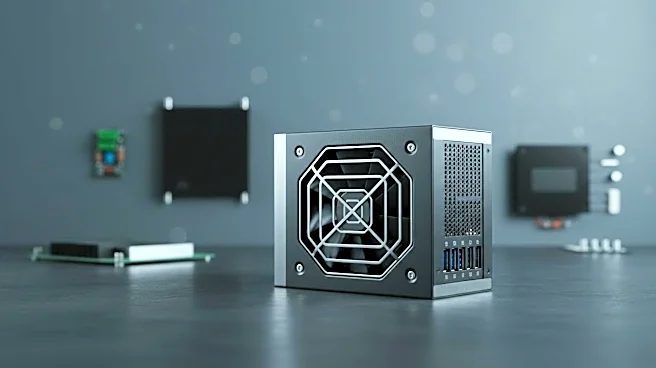
Beyond just avoiding bottlenecks, smart builders look for synergy. This is the concept that some components have a special relationship that boosts performance. A classic example is the connection between AMD Ryzen CPUs and RAM speed. Ryzen processors have historically shown a noticeable performance increase in games when paired with faster RAM, as it directly impacts the speed of the chip's internal communication. Another critical but often overlooked component is the Power Supply Unit (PSU). A cheap, inefficient PSU can deliver unstable power, leading to crashes and even damaging other parts. Investing in a reliable 80+ Bronze or Gold rated PSU is cheap insurance. Likewise, the motherboard is the central nervous system of your PC. A budget board might technically support your CPU, but it could have poor power delivery that throttles the chip's performance under load, or lack features you might want later, like more storage slots or faster USB ports.
An Example $800 Sweet-Spot Build for 2026
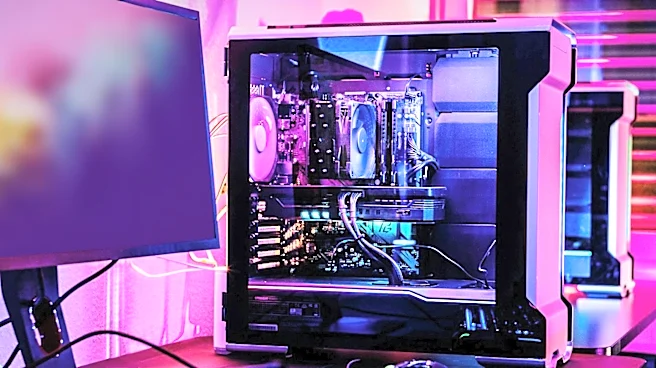
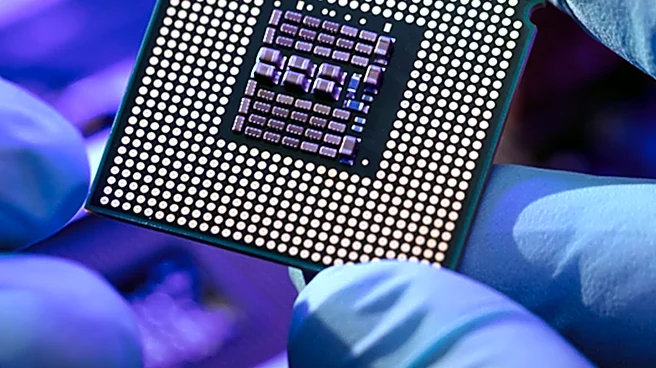
To put these principles into practice, here is a sample build that targets the sweet spot for 1080p and even light 1440p gaming, coming in around $800. Prices fluctuate, but this list represents a balanced approach for August 2026. CPU: AMD Ryzen 5 7600 (A 6-core processor that offers excellent gaming value). Graphics Card (GPU): NVIDIA GeForce RTX 5050 8GB or AMD Radeon RX 9060. The RTX 5050 is a strong budget pick for 1080p gaming. Motherboard: A quality B650 motherboard. This provides a modern platform with support for current technologies. Memory (RAM): 16GB (2x8GB) DDR5-5600. This hits a good speed for the Ryzen CPU without breaking the bank. Storage: 1TB NVMe M.2 SSD. A fast solid-state drive is crucial for quick loading times and overall system responsiveness. Power Supply (PSU): 650W 80+ Bronze Certified. This provides reliable power with enough headroom for the components. * Case: A high-airflow Micro-ATX or ATX case from a reputable brand.
Why This Build Punches Above Its Weight
On paper, a big-box store might advertise a PC with a slightly better graphics card for $900. However, that competing machine could easily be crippled by slow, single-channel DDR4 RAM, a sluggish last-generation CPU, or a barebones motherboard that can't supply enough power. The example build, by contrast, is fully optimized. The Ryzen 5 7600 CPU is more than capable of feeding the RTX 5050 all the data it needs, ensuring the GPU is fully utilized. The fast DDR5 RAM keeps the CPU working efficiently, especially important for maintaining smooth frame rates in CPU-intensive games. The NVMe SSD ensures that game levels and textures load in an instant. It’s a system without a weak link, and that’s why it will consistently deliver a smoother, more enjoyable gaming experience than a poorly balanced build with one or two deceptively “better” parts.