






The Perennial 'Almost' Phone
For years, Google's Pixel phones have occupied a curious space in the smartphone world. They consistently earn praise from tech critics for their clean software and genuinely innovative camera features, yet they remain a niche player in a market dominated
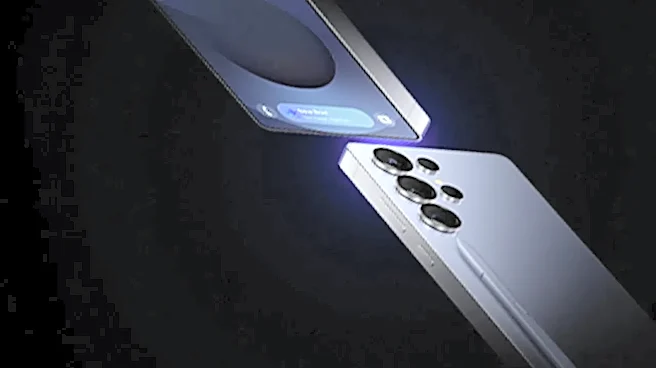
by Apple and Samsung. While Android as an operating system commands a massive global share, Google's own hardware struggles to make a significant dent, particularly in the U.S. where it holds a small single-digit percentage of the market. Despite a reported 16% year-over-year growth in the second quarter of 2026, this growth comes from a very small base, leaving Pixel as a fan-favorite rather than a market-shaping force. This history of being critically acclaimed but commercially sidelined is the backdrop for the Pixel 11. The hardware itself is expected to feature familiar designs with incremental improvements, powered by a new Tensor G6 chip designed to accelerate on-device AI. The real story, and the immense pressure on CEO Sundar Pichai, isn't about the chassis; it's about what's inside.
Gemini as the Secret Weapon
Enter Gemini, Google's answer to the AI arms race. With the Pixel 11, Google is integrating its most advanced AI deeper into the phone's operating system than ever before. This isn't about a simple chatbot app; it's about weaving AI into the fabric of the user experience to be more personal and proactive. Features teased for the new lineup move beyond novelty into genuine utility. An experimental feature called "Call For Me" will allow Gemini to make routine business calls on your behalf, navigating phone menus and even sitting on hold for you. Other tools like Magic Capture aim to automatically select the best shot from hundreds of frames, while a voice-input tool called Rambler can turn spoken thoughts into organized drafts. Google's pitch is that these Gemini-powered features will help users spend less time managing their phones and more time on what matters. Pichai is betting that this level of intelligence, exclusive to the Pixel, is the killer feature the line has been missing.
A Test of a Decade-Long Strategy
This moment is more than just a product launch; it's a referendum on Sundar Pichai's entire 'AI-first' philosophy. For years, Google has justified its massive investments in AI research and custom silicon like the Tensor chip as a long-term strategic advantage. Now, that strategy faces its most public test. With Gemini having crossed 1 billion monthly users through its app, the AI has proven its reach. The question is whether that success can be leveraged to sell high-margin hardware. The company isn't just selling a phone; it's selling an ecosystem where Gemini is the connective tissue. The success or failure of the Pixel 11 to move the sales needle will be seen as a direct reflection of whether Google's core competency—artificial intelligence—can create a real competitive moat in the cutthroat consumer electronics market.
Why Smarter Isn't Always a Bestseller
The hardest part of the question for Pichai is that superior technology doesn't guarantee sales. The smartphone market is notoriously sticky. Brand loyalty, ecosystem lock-in (like iMessage), and perceived status are incredibly powerful forces that keep consumers tethered to Apple and Samsung. While Pixel users report high satisfaction with the phone's AI features, getting a die-hard iPhone or Galaxy user to switch requires overcoming immense inertia. A phone that can book your haircut for you is impressive, but is it enough to convince someone to abandon years of familiarity with another operating system and hardware brand? The challenge for Google isn't just to demonstrate that Gemini is smarter, but to convince millions of consumers that its intelligence is indispensable—a task that has proven difficult for every other smartphone challenger for the past decade.