






The Promise of Simple, Free Trading
To understand Robinhood’s pivotal moment, you have to go back to its original promise. The company launched with a revolutionary idea: commission-free trading for everyone. It built a sleek, user-friendly app that stripped away the complexity and cost
associated with traditional brokerages. For millions of new investors, it was the only way they’d ever known how to buy a stock. The business model was fueled by a practice called "payment for order flow" (PFOF). Instead of charging users, Robinhood routed their trades to large market-making firms, which paid Robinhood a tiny fraction of a cent for every share traded. This allowed Robinhood to offer a zero-commission service and grow at an explosive rate. On the surface, it was a tech-first approach to democratizing finance. But underneath the simple interface, the company made a crucial choice about the financial plumbing that holds the market together.
The Decision Beneath the Surface
The hidden decision was Robinhood's choice to initially outsource its trade clearing process. When you buy a stock, the transaction isn’t instant. It goes through a clearinghouse, which acts as a middleman to ensure the seller gets their money and the buyer gets their shares, a process that takes a couple of days to settle. Brokerages must post collateral with the clearinghouse—specifically, the National Securities Clearing Corporation (NSCC)—as a deposit to cover the risk that either party defaults before the trade settles. Building your own clearing system is a massive, expensive undertaking. To get to market quickly, Robinhood relied on a third-party clearing firm, Apex Clearing, before eventually starting to build its own system. This allowed Robinhood to focus on its app and user growth. However, it also meant the company was not in full control of its own destiny; it was subject to the collateral demands of the NSCC. This dependency was the unseen risk lurking in its business model.
When the Financial Plumbing Broke
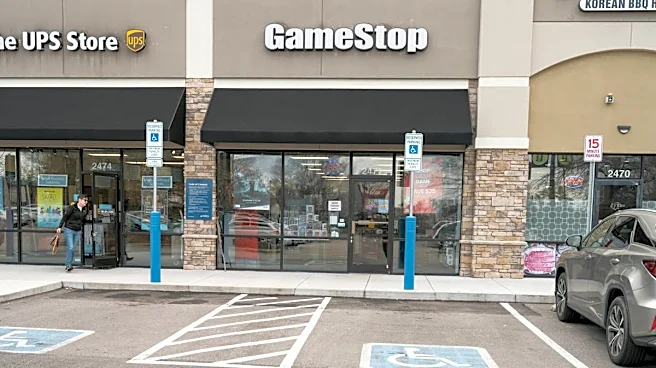
In January 2021, that risk became a full-blown crisis. A frenzy of retail buying, organized on social media, sent the prices of “meme stocks” like GameStop soaring. The unprecedented volume and volatility triggered alarm bells at the NSCC. Because the risk of trades failing had skyrocketed, the clearinghouse demanded a colossal increase in collateral from brokers. On the morning of January 28, 2021, Robinhood was hit with a collateral call for billions of dollars—an amount far greater than it had on hand. The company was caught in a liquidity crunch. It wasn't an evil plot with hedge funds, as many users suspected; it was a plumbing problem. To reduce its risk exposure and lower the massive collateral requirement, Robinhood made the fateful choice to halt buying on the most volatile stocks. This decision, born from its earlier reliance on outside clearing infrastructure, shattered user trust and sparked a public relations nightmare.
The Reshaping of Robinhood
The GameStop saga was a near-death experience that forced Robinhood to fundamentally reshape itself. The most immediate change was accelerating its move to become a self-clearing broker. Having its own system, "Clearing by Robinhood," meant the company could better manage its own risk and reduce its dependency on third parties, giving it more control over its financial destiny. But the reshaping went deeper. The crisis exposed the fragility of a business model reliant almost entirely on transaction volume from often-speculative trading. In the years since, Robinhood has aggressively diversified its revenue streams. It has pushed into more stable, recurring revenue models like its Robinhood Gold subscription service, launched retirement accounts (IRAs), and introduced banking services and credit cards. The company that was once synonymous with high-frequency trading is now trying to become a full-service financial firm, encouraging long-term investment over risky bets.