









The Biggest Clue: Capital Expenditures (CapEx)
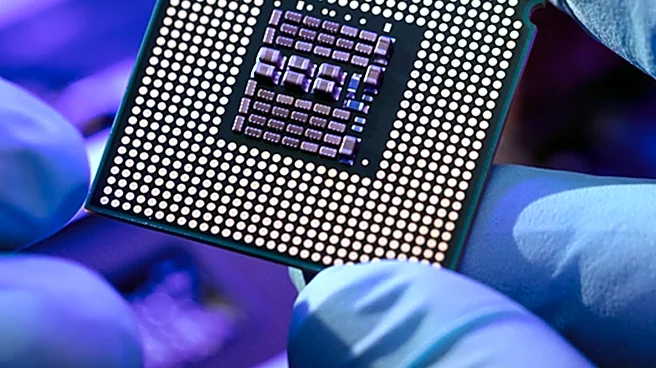
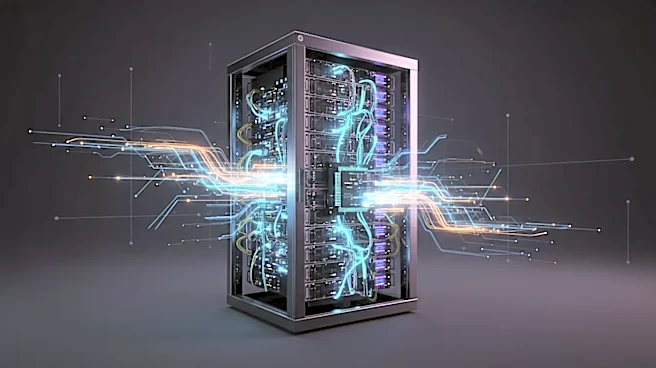
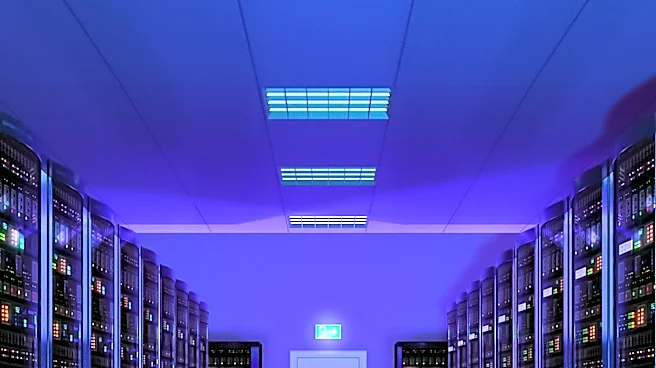
The most significant indicator of AI spending is Capital Expenditures, or CapEx. This is money spent on physical assets like data centers, servers, and, most importantly, the specialized chips (GPUs and Google's own TPUs) that power AI models. For decades,
tech giants were praised for being "asset-light," but AI has flipped that script. Training and running large-scale AI is an industrial process requiring immense physical infrastructure. In its first quarter 2026 earnings report, Alphabet revealed a massive increase in its full-year CapEx guidance to between $180 billion and $190 billion. This figure, more than double the previous year's spending, is the clearest signal of the company's all-in bet on building out its AI capabilities. When you read the earnings report, look for the CapEx number on the cash flow statement and compare its growth rate quarter-over-quarter and year-over-year. A sharp acceleration, like the one we're seeing now, points directly to an AI infrastructure boom.
Hiding in Plain Sight: Operating Expenses (OpEx)
Not all AI costs are found in big-ticket hardware purchases. They also appear in day-to-day Operating Expenses (OpEx). The first place to look is 'Research and Development' (R&D). This line item includes the massive salaries required to attract and retain top AI talent. The second area is 'Sales, General & Administrative' (SG&A). While less direct, this is where you'll find the ballooning energy costs associated with running power-hungry data centers 24/7. Finally, look at depreciation. As Alphabet rapidly builds and deploys new servers and hardware, the depreciation expense—the cost of those assets allocated over their useful life—accelerates. Management often warns that rising infrastructure investment will lead to higher depreciation and operating costs, providing another clue about the scale of their AI buildout.
Listen to What They Say (and Don't Say)
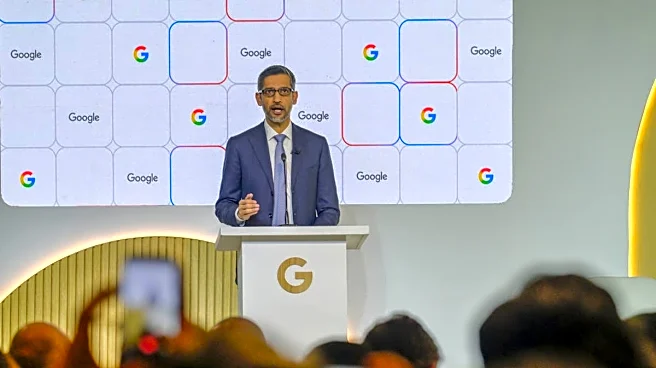
The numbers only tell part of the story. The qualitative discussion from executives during the earnings call and in the Management's Discussion & Analysis (MD&A) section of the report is crucial. Pay close attention to phrases like "technical infrastructure," "compute capacity," and commentary on the AI-driven growth in the Google Cloud segment. For example, CEO Sundar Pichai has noted that Cloud revenue would have been even higher if the company weren't "compute constrained," directly linking spending to unmet demand. Analysts also scrutinize the guidance for future CapEx. Any change in that forecast, or hints that spending might be unsustainable, can significantly impact the stock. The level of detail—or lack thereof—is also telling. While Alphabet reports booming Google Cloud revenue as a key return on its AI investment, it doesn't provide a consolidated profit-and-loss statement for its total AI activities, making a precise ROI calculation impossible for outsiders.
Putting It All Together: The 'Pressure' Test
Estimating the cost pressure involves synthesizing these clues. The core question investors are asking is whether the enormous investments in AI are generating returns fast enough to justify the expense. To gauge this, compare the growth in AI-related spending (surging CapEx and associated OpEx) to the growth in AI-related revenues, primarily from Google Cloud. In its Q1 2026 report, Google Cloud's revenue grew an impressive 63% year-over-year, and its backlog of future contracts soared. However, the company's overall free cash flow (the cash left over after CapEx) has been squeezed by the record spending. This gap—between massive cash outlays now and the promise of future revenue—is the essence of the "cost pressure." While bulls see it as a necessary investment to build a long-term competitive moat, bears worry that the returns may not materialize quickly enough, especially as the company increasingly turns to debt and new equity to fund the expansion.