









Beyond the Price Tag: The Subscription Trap
The initial cost of a security camera is often just the beginning. Many popular brands sell attractively priced hardware, only to lock essential features behind a monthly subscription. These can range from a few dollars to over $20 a month. Without a plan,
you might lose access to recorded video history, AI-powered alerts that distinguish between a person and a pet, or even the ability to save clips. What seems like a small monthly fee quickly adds up, potentially costing hundreds or even thousands of dollars over the life of the camera. Before you buy, investigate the full cost of ownership. Ask what features work without a subscription and compare the long-term expense of a cloud-based model to one that relies on local storage.
Your Privacy Is on the Line
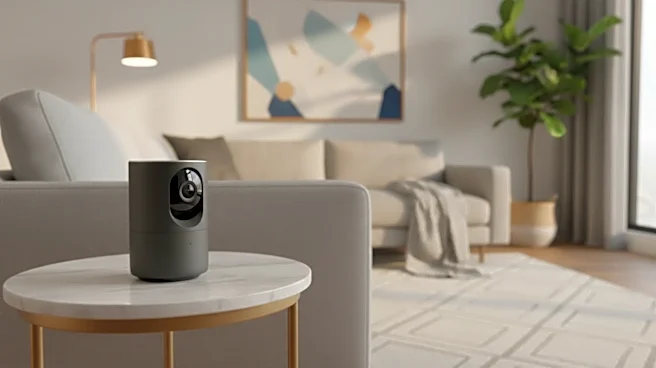
When you place a camera in your home, you're inviting a connected device into your most private spaces. This convenience comes with risks that many buyers underestimate. Hackers can exploit security flaws in cameras or use compromised passwords to gain access to your live feed. Beyond malicious actors, the privacy policies of camera companies themselves can be vague about how your data is used or shared. To protect yourself, always change the default password, enable two-factor authentication, and choose products from reputable brands known for strong encryption. It’s crucial to understand where your footage is being stored and who has potential access to it, because a tool meant for security shouldn't become a source of vulnerability.
Local vs. Cloud Storage: Who Controls Your Data?
A critical decision is how your camera stores video footage. Cloud storage, often tied to a subscription, saves your data on remote servers. This is convenient, allows for remote access from anywhere, and protects your footage even if the camera is stolen or damaged. However, it relies on a stable internet connection and means you are entrusting your data to a third party. Local storage, using an NVR (Network Video Recorder) or a microSD card, keeps your footage on-site. This gives you complete control over your data, avoids monthly fees, and works without an internet connection. The downside is a higher upfront hardware cost and the risk of losing your recordings if the storage device is stolen or destroyed in an incident like a fire. Some systems offer a hybrid approach, but understanding this trade-off between convenience and control is fundamental.
Not All Pixels Are Created Equal
A camera's specs can be a confusing list of numbers and acronyms, but they determine whether the footage is actually useful. Resolution is key; while 1080p is standard, a higher 2K or 4K resolution can mean the difference between seeing a blurry figure and being able to identify a face. Equally important is the camera's performance in low light. Check for quality night vision, whether it's infrared (black and white) or color night vision, which can provide more detail in the dark. The field of view also matters. A wider angle, such as 130 degrees or more, can cover a whole room and reduce blind spots, potentially saving you from needing multiple cameras.
Legal and Ethical Blind Spots
Finally, bringing a recording device into your home comes with legal and ethical responsibilities. In the U.S., you generally have the right to record video on your own property, but there's a crucial concept of a "reasonable expectation of privacy." This means placing cameras in areas like bedrooms or bathrooms where guests would expect privacy can lead to legal trouble. Furthermore, recording audio is often subject to stricter laws than video, with many states requiring the consent of all parties involved. It is considered best practice to inform any residents or guests that indoor cameras are in use. These rules aren't just legal formalities; they're about respecting the privacy of those who enter your home.