







From a Glass Mat to a Revolution
In 2001, computer peripherals were an afterthought. They were beige, plasticky, and designed for basic office tasks. Gamers, a small but demanding niche, were stuck using equipment that couldn't keep up with their needs. Then, a Danish 'Counter-Strike'
player named Jacob Wolff-Petersen founded a company called Soft Trading (later renamed SteelSeries) with a simple but radical product: a glass mousepad called the Icemat. It was designed to solve a specific problem for high-level players: providing a perfectly smooth, consistent surface for precision aiming, something impossible with the dust-collecting pads of the era. This singular focus on solving problems for the most demanding users would become the company’s blueprint.
Building for the 1 Percent
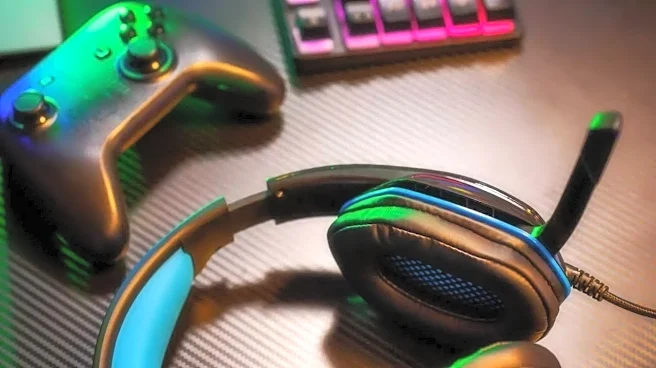
Instead of chasing the mass market, SteelSeries did the opposite: it built deep partnerships with professional esports teams. This wasn't about slapping logos on jerseys; it was a collaborative design process. The world's best players would test, critique, and co-develop products, ensuring every detail was optimized for competitive performance. This led to a string of industry firsts. In 2004, they launched the Siberia, widely considered the first dedicated gaming headset, by integrating a quality microphone into a comfortable design for long sessions. They later introduced the first mechanical keyboard for gaming and mice designed with input from legendary esports teams. Everything was built for the win, with durability, precision, and function over flashy aesthetics.
The Features That Trickled Down
This is where the 'quietly reshaped' part of the story begins. The features that gave pro gamers a competitive edge turned out to be things that everyone, even non-gamers, could appreciate. The need for clear communication in esports led to high-quality headset mics that are now standard on work-from-home headsets. The demand for keyboards that could withstand millions of furious keystrokes led to a mainstream resurgence of durable mechanical switches. Mice designed for pixel-perfect accuracy in a championship match resulted in sensors so reliable that they improved the experience for graphic designers and everyday users alike. Customization software, once a niche tool for pros to tweak sensitivity, is now common.
Raising the Bar for Everyone
What SteelSeries and its early competitors proved is that designing for the peak user elevates the entire product category. Once consumers got a taste of high-performance hardware, there was no going back to the flimsy peripherals of the past. Durability, ergonomic comfort, and precision performance became expected features, not premium upgrades. Other, larger companies took note, and soon the innovations born in the crucible of esports were appearing in consumer-grade products from every major brand. The market had been permanently changed, not by a massive advertising campaign, but by a relentless focus on quality for a core audience.