







It’s About the Plumbing, Not Just Profit
For an AI developer, a model is only as good as the hardware it runs on. Microsoft's earnings report, particularly the section on capital expenditures (CapEx), is the most reliable public indicator of how much the company is spending on the physical infrastructure
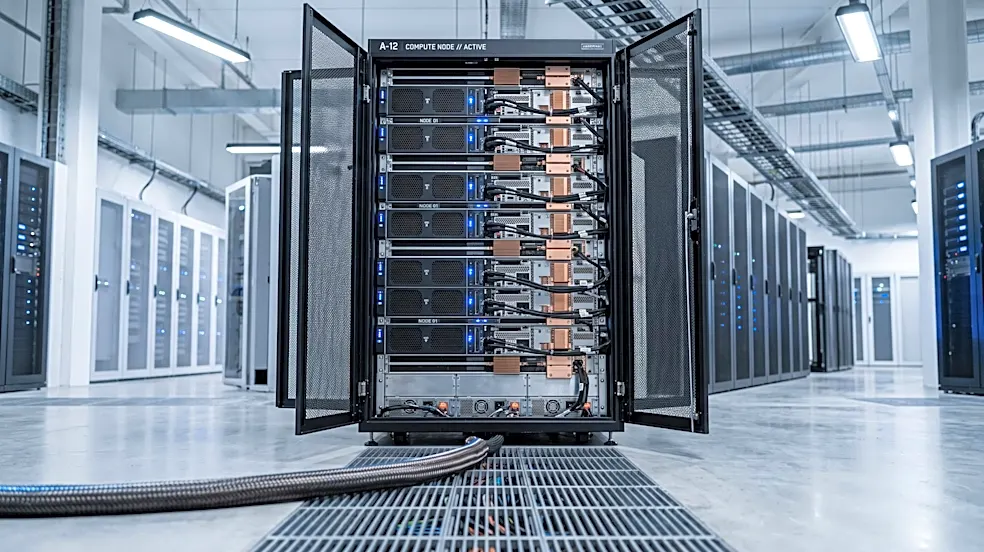
that powers the AI revolution. This isn't just about abstract numbers; it’s about the tangible build-out of data centers packed with the high-performance GPUs essential for training and running large language models. When Microsoft announced plans to spend around $175 billion on CapEx in calendar year 2026, it wasn't just a headline for investors; it was a signal to developers about the sheer scale of computing power coming online. This spending directly impacts the availability and cost of the resources developers need every day.
Azure Growth Is an AI Barometer
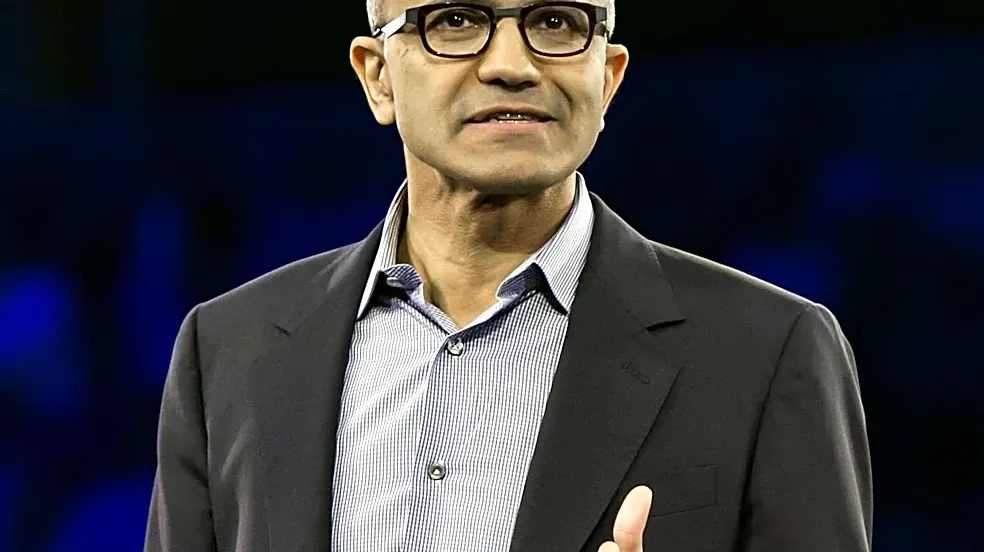
The single most-watched metric in these reports is the growth percentage for Azure, Microsoft's cloud computing platform. This number serves as a proxy for the health of the entire AI ecosystem. When Microsoft reported a stunning 43% year-over-year growth in Azure revenue for the quarter ending in June 2026, it confirmed that enterprise demand for AI services was not just strong, but accelerating. For developers, this robust growth is a double-edged sword. It validates the industry's trajectory and ensures continued investment, but it also signals intense competition for resources. As Microsoft's CEO Satya Nadella noted, customer demand has been exceeding available capacity, making the company's ability to keep pace with its infrastructure build-out a critical factor for the entire field.
The GPU Arms Race
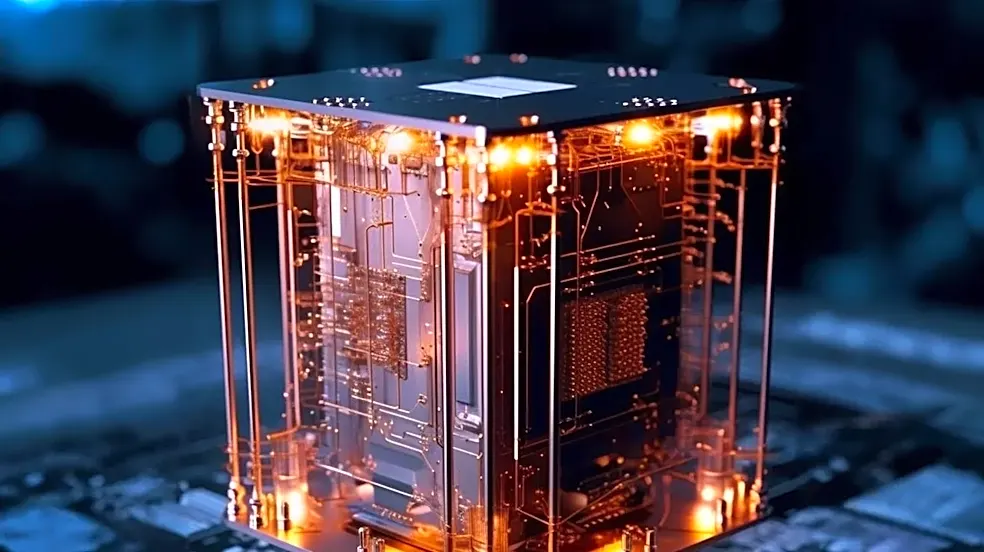
Beneath the top-line Azure number lies the story of the AI arms race: the quest for processing power. The massive capital expenditures are largely directed at acquiring GPUs, the specialized chips that are the workhorses of AI. The availability of these chips is a direct constraint on what developers can build. Microsoft's earnings calls provide clues about its supply chain and its ability to secure these vital components. Furthermore, Microsoft is hedging its bets by developing its own custom AI chips, like the Maia series. The upcoming Maia 300, set for a 2027 launch, promises greater efficiency and could change the economics of AI development. When the CFO discusses infrastructure costs, developers are listening for hints about whether the cost per token might fall, making their own AI applications more scalable and profitable.
Signals for the Whole Ecosystem
Microsoft doesn't operate in a vacuum. Its results are read as a bellwether for the entire cloud market, setting expectations for rivals like Amazon Web Services (AWS) and Google Cloud. A strong quarter for Azure suggests a healthy overall market, while any sign of weakness could indicate a broader slowdown in enterprise AI adoption. The reports also offer insights into how customers are using the platform. For example, growth in Microsoft's contracted backlog—future revenue commitments—shows long-term enterprise confidence in the platform. When Microsoft highlights that its commercial cloud backlog climbed to $678 billion, it tells developers that large corporations are making multi-year bets on the infrastructure they use, creating a stable foundation for the ecosystem.