






Follow the Money: Capital Expenditures
The single most important number for understanding Meta’s AI risk is capital expenditure, or CapEx. This line item represents the colossal amount of money spent on data centers, servers, and the specialized chips needed to build and run AI models. For
2026, Meta has forecasted a spend between $125 billion and $145 billion, a figure that has made many investors nervous. When reading the earnings report, don't just look at the total; watch the trend. Is the guidance for future spending increasing? An upward revision could signal that costs are higher than expected or that the company is doubling down on its bet, both of which amplify risk. Conversely, commentary about creative financing, like a recent data center deal with BlackRock, might show an attempt to manage the massive cash burn.
Is Anyone Actually Using It?
Massive spending is one thing, but user adoption is another. This is harder to track, as Meta doesn't provide a single, clean metric for "AI engagement." Instead, you have to piece together clues. Listen for mentions of Instagram Reels engagement, as its recommendation engine is a primary example of AI at work. The company has noted that time spent on Reels and Facebook video has increased thanks to AI ranking improvements, which creates more ad inventory. Also, look for any specific numbers on its new AI Business Agents for Messenger and WhatsApp, where metrics like "containment rate" (how many conversations the AI handles without human help) are now being tracked. While the company has over 3 billion daily active users across its apps, the key is to find evidence that the new, expensive AI features are creating sustained, meaningful interactions, not just novelty clicks.
The Monetization Puzzle
The biggest risk for any new technology is whether it can make money. Meta's primary path to monetizing AI right now is through its advertising engine. The report will show metrics like ad impressions (how many ads were shown) and average price per ad. In a healthy scenario, both should be growing, suggesting that AI-powered targeting tools like Advantage+ are making ads more effective for businesses, who are then willing to pay more. Listen for updates on the revenue run rate for AI-driven tools, which has already become a multi-billion dollar business for Meta. The other piece of the puzzle is new revenue streams. Pay close attention to any mention of selling surplus computing power to other companies, which would pit Meta against cloud giants like Amazon and Microsoft and could signal a major strategic shift to recoup its infrastructure costs.
Read the Room: The Earnings Call
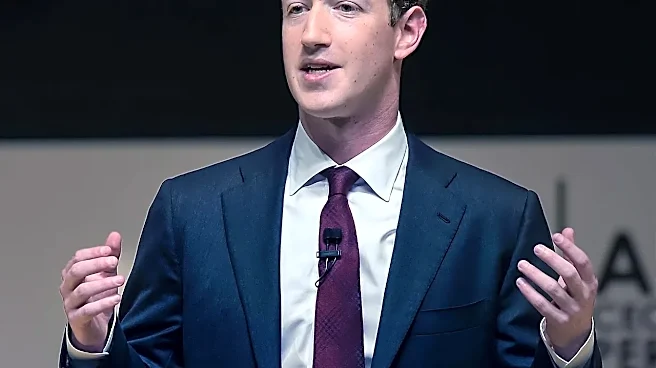
The numbers in the report only tell part of the story. The narrative comes from the subsequent earnings call with analysts. The questions asked are as important as the answers given. Are analysts pressing leadership on the return on investment for CapEx? Are they skeptical about the path to monetization? Mark Zuckerberg’s tone and language are crucial. Is he speaking in confident, specific terms about AI's performance and future, or is he using vague, defensive language? Some analysts believe his personal conviction is driving the AI spending spree, even against investor sentiment. The subtext of this call often reveals more about the company's internal confidence and the true scale of the challenges ahead than any financial statement.
Don't Forget the Legacy Risks
While all eyes are on AI, don't ignore the persistent costs of Meta's other major bet: the metaverse. The Reality Labs division, responsible for VR and AR hardware, continues to post significant operating losses, often amounting to several billion dollars per quarter on minimal revenue. These losses add to the overall cash burn and put more pressure on the AI initiatives to succeed. An increase in Reality Labs' losses could spook investors who are already concerned about the company's total spending. The earnings report provides a moment to assess whether this long-term project is becoming an unsustainable drag on the resources needed for the more immediate AI race.