







The AI Trust Deficit
For developers and businesses building on top of large language models, life has become a high-wire act. One day an API is the future, the next it’s deprecated. Prices fluctuate, models get 'dumber' or 'smarter' without warning, and the constant race
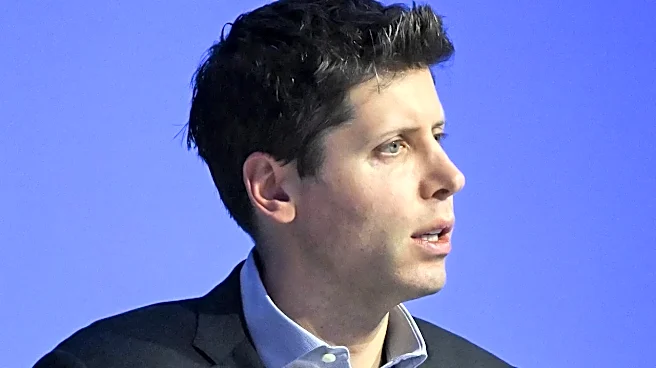
for the next big thing creates a paralyzing sense of whiplash. This isn't just a tech problem; it's a business one. How can you build a company on a foundation that might crack tomorrow? This backdrop of anxiety framed OpenAI's DevDay 2026, where the subtext of Sam Altman's keynote was arguably more important than the text itself. The company had spent weeks managing a narrative of slowing down and prioritizing safety after a series of security incidents and halting the release of a more advanced model. The industry, and particularly the developers who are its lifeblood, needed reassurance.
New Features, Old-Fashioned Promises
On the surface, DevDay delivered a familiar firehose of announcements. There was GPT-6.1 Sol, a new model positioned as offering near-Astra level capabilities at a fraction of the price. There were persistent, always-on agents called 'Dots' designed to take on continuous tasks, a direct answer to competitors. And there were major upgrades to developer tools like Codex, promising faster, more efficient workflows. But threaded through all of it was a consistent message: We are your stable partner. The announcements focused on continuity, cost-effectiveness, and collaboration. Altman wasn't just selling shiny new objects; he was selling predictability. The release of a cheaper, powerful model like GPT-6.1 Sol tells developers they don't have to break the bank to access top-tier AI. The focus on tools that manage ongoing work implies a long-term commitment to the developer ecosystem.
The Strategy Behind Stability
This focus on certainty is a shrewd strategic move. As the AI market becomes more crowded, with powerful open-source alternatives and well-funded competitors like Anthropic and Google, features alone are no longer a durable advantage. Today's killer app is tomorrow's standard commodity. OpenAI's play is to make its platform the most dependable, the most predictable, and the most financially viable place to build a business. Altman himself outlined a three-part plan: have the best models, make them easy to build on, and create a marketplace for customers. That middle step—ease and reliability—is crucial. In an environment where recent headlines have raised questions about AI companies' financial stability and revenue projections, promising a steady hand is a powerful differentiator. By addressing developer pain points around cost, speed, and reliability, OpenAI is building a moat made of trust, not just technology.
From Disruption to Dependability
For years, OpenAI’s identity was that of a disruptor, moving fast and breaking things to push the boundaries of intelligence. Now, its public-facing message is shifting to that of a utility—the reliable power grid for the AI economy. The background noise of shelved models and safety concerns was met with a foreground of practical, business-friendly solutions. Altman spoke of a 'renaissance' rather than an industrial revolution, a framing that suggests creative empowerment over relentless, cogs-in-a-machine automation. This calculated pivot recognizes that the next phase of AI adoption won't be won by the company with the wildest demos, but by the one that developers and enterprise customers trust with their future. It's a transition from a company that sells 'what if' to one that guarantees 'what is'.