







More Than Just a Chip
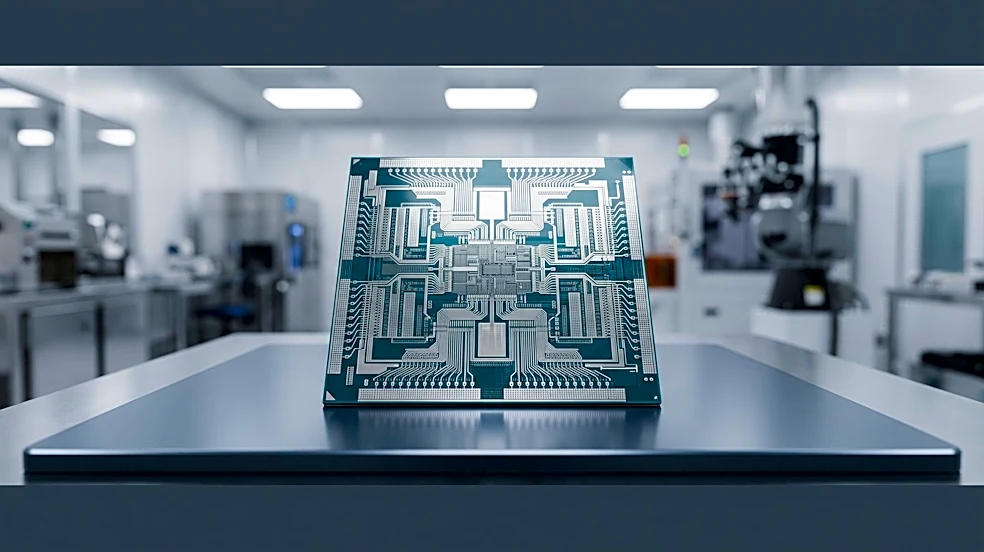
First, what is an ASIC? The acronym stands for Application-Specific Integrated Circuit, which is a fancy way of saying it's a chip designed to do one thing perfectly, not a million things pretty well. Think of a standard CPU in a laptop as a versatile
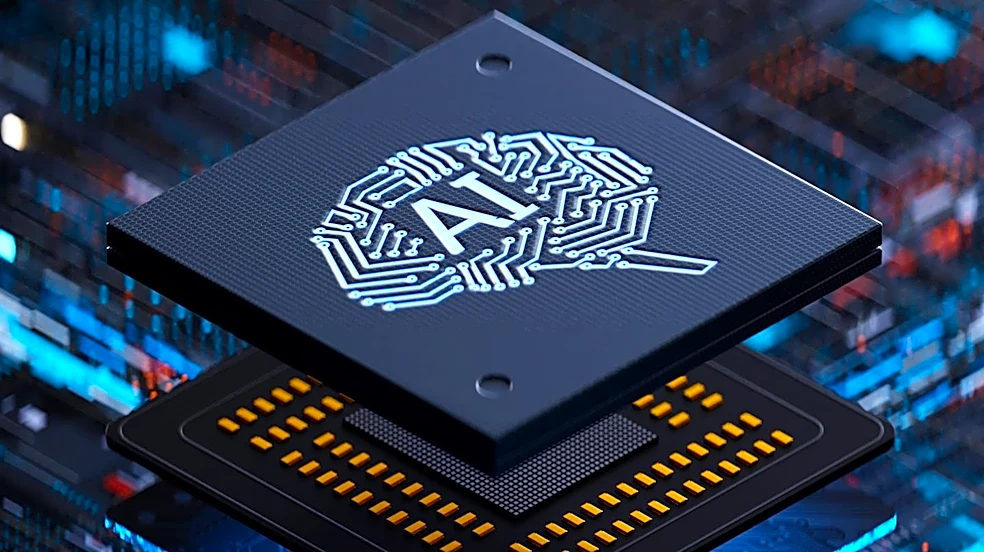
chef who can cook any dish from a massive cookbook. An ASIC, by contrast, is a machine that does nothing but make perfect Neapolitan pizza dough, thousands of times an hour. It's not flexible, but it's incredibly fast and efficient at its single, dedicated task. This specialization is why ASICs are the hardware of choice for high-intensity jobs like Bitcoin mining, AI model processing, and high-speed network switching, where performance-per-watt is the name of the game.
The Natural Habitat: A Server Rack
An ASIC doesn't live on a desk. Its home is a 'production system', which almost always means a server rack inside a data center or a dedicated mining farm. A server rack is a standardized steel frame, usually 19 inches wide, designed to house stacks of IT equipment efficiently. When you picture an ASIC 'in the wild', don't imagine a lone chip. Instead, picture a dense, heavy, blade-like unit—a server or a mining rig—slotted into one of these racks. This unit is the ASIC's immediate life support, and it is just the first layer of a much larger and more complex system.
A Tour of the Internals
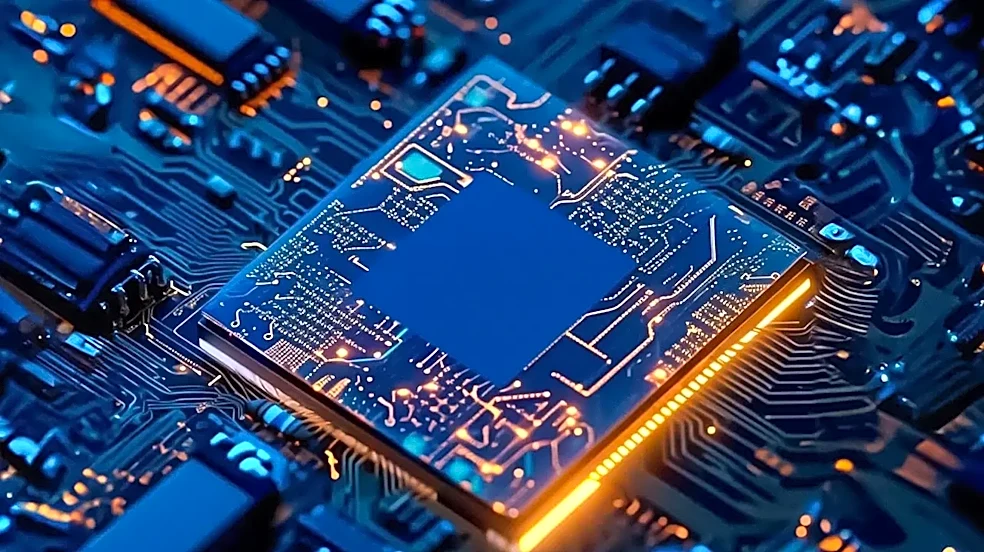
If you pulled one of these ASIC-powered units from the rack, you'd see a marvel of purpose-built engineering. The ASIC chip itself is a small square of silicon, but it's dwarfed by the hardware surrounding it. The chip is mounted on a circuit board and is almost always buried under a massive heatsink—a block of finned metal designed to draw away the immense heat it generates. Next to it, you'd find one or more powerful fans designed for brute-force air cooling. Elsewhere on the board are dedicated power supply connections to handle the enormous electrical draw and one or more network ports to feed data in and out. The entire assembly is a self-contained, high-performance engine, designed for density and raw throughput above all else. It's built for function, not form.
The Symphony of Support Systems
Zooming out from the single unit, the entire server rack is an ecosystem. An ASIC system is a power-hungry and hot-running beast, and the surrounding infrastructure is all about managing those two realities. The rack itself is wired with heavy-duty power distribution units (PDUs) that feed conditioned electricity to each server. More importantly, the entire room is a cooling machine. In traditional setups, this means meticulously managed hot and cold aisles, with industrial air conditioners blasting chilled air into the fronts of the racks and powerful fans venting hot air from the back. In more advanced systems, especially for crypto mining, you might see liquid cooling, with entire ASIC units submerged in a non-conductive dielectric fluid to manage heat even more effectively.
Why Go Through All This Trouble?
Building such a complex, power-hungry, and temperature-sensitive environment seems like a lot of work. So why do it? The answer is simple: competitive advantage through efficiency. For the specific tasks they are designed for, ASICs are orders of magnitude faster and more power-efficient than general-purpose CPUs or even high-end GPUs. In the world of cryptocurrency mining, that efficiency difference translates directly into profitability. In AI and networking, it means faster response times and the ability to process more data with less energy. This immense operational advantage is why companies invest millions into building and maintaining these specialized production systems.