





The Soul of the Machine
Long before Twitter became a global town square, it was a side project at a struggling podcasting company called Odeo. While Jack Dorsey had the initial idea for a status-updating service and Evan Williams provided the capital, it was Odeo's founder,
Noah Glass, who became its driving force. Early employees and investors describe Glass as the project's 'spiritual leader,' fanatically excited about its potential to cure loneliness and foster connection. This wasn't just another product for him; it was a mission. While others saw a simple SMS service, Glass saw a lifeline. This deep, personal investment became the bedrock of his approach to building a team. He wasn't just hiring developers; he was recruiting believers.
Hiring for Passion, Not Just Pedigree
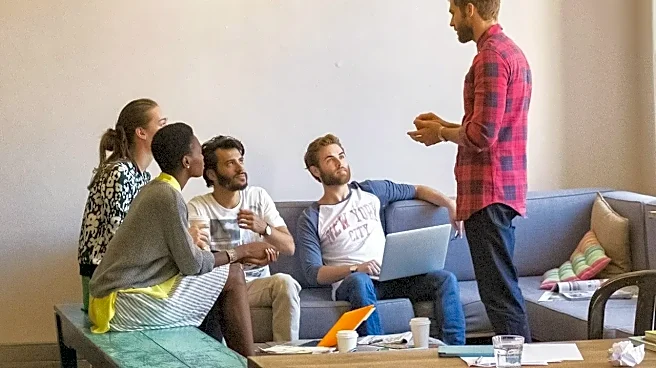
Glass's team for the project, initially called 'twttr,' was small and built from the ranks of Odeo. He put together a group that included Dorsey and developer Florian Weber to build the first prototype. The key trait Glass championed was not just technical skill, but a visceral enthusiasm for the product itself. He gathered people who felt the same pull he did. The team became obsessively engaged, racking up huge SMS bills as they constantly updated their statuses, living the product before it was even public. This approach—prioritizing user-centric passion and a certain kind of obsessive belief in the concept—was Glass's core contribution. He believed the best products are built by people who are, in effect, their own first and most ardent users.
A Clash of Philosophies
This passion-first, almost romantic view of product development soon clashed with the more pragmatic realities of a venture-backed startup. Evan Williams, the CEO and primary investor, was skeptical of Twitter's potential, while Jack Dorsey grew wary of Glass's emotional and increasingly erratic leadership. Glass, who was going through a difficult divorce, poured all his energy into Twitter, which made him both its greatest champion and, in the eyes of others, a liability. The tension came to a head when Dorsey allegedly went to Williams and issued an ultimatum: either Glass goes, or he would. In July 2006, Williams fired Glass, the man who had named the company and arguably breathed life into it. It was a brutal lesson: in Silicon Valley, passion is an asset, but power determines control.
The Echo of a Founding Idea
After being pushed out of the company he helped create, Noah Glass largely disappeared from the tech scene, his name scrubbed from the official founding story until it was resurrected years later by journalist Nick Bilton's book 'Hatching Twitter'. While he didn't go on to found another multi-billion-dollar company, his story provides a clear through-line. His initial approach at Odeo—finding a small group of passionate evangelists and empowering them to build something they personally loved—is a playbook still revered in startup culture. Friends noted that in his life after Twitter, he found the human connection he had sought to build through technology in his own family. His legacy isn't in a stock portfolio, but in the enduring idea that the most revolutionary products are born from an almost irrational belief in their power to connect people. It’s an approach that values the 'why' over the 'what,' a philosophy forged in the fires of Odeo and one that defined his entire career, however short-circuited.