






Not an Invasion, But an Acquisition
First, let's clear up a common misconception: TikTok didn't just appear in the U.S. and conquer it from scratch. The app that American teens first fell in love with wasn't even called TikTok; it was Musical.ly. Launched in Shanghai in 2014, Musical.ly was a lip-syncing
and video app that had built a substantial, loyal user base in the United States completely on its own merits. By 2017, it was a bona fide hit. This is the first inflection point where history could have split. Instead of building a competitor, the Chinese tech giant ByteDance made a savvy strategic move: it bought Musical.ly for a reported $1 billion. ByteDance already had a similar app, Douyin, which was massive in China. The plan was to merge Musical.ly's international audience with its own powerful recommendation algorithm. In 2018, ByteDance folded Musical.ly’s accounts into a rebranded app called TikTok. It wasn't a hostile takeover; it was a merger that gave a popular U.S. app a supercharged new engine. Without the pre-existing Musical.ly community, TikTok's American launchpad would have looked vastly different and far less explosive.
Caught in the Geopolitical Crosshairs
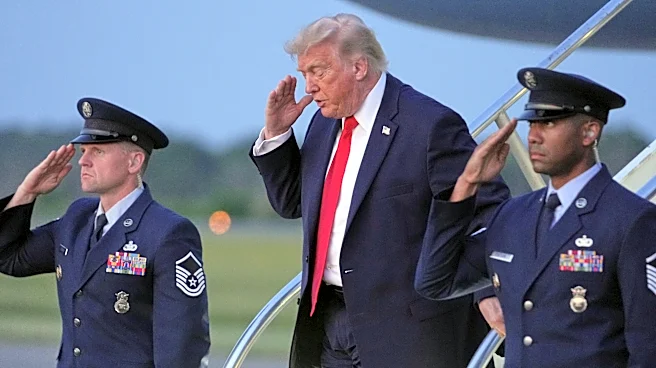
For a couple of years, TikTok's growth was the stuff of Silicon Valley legend. It was pure, unadulterated pop culture fun. But by 2019, the world had changed. The U.S. government, under the Trump administration, was deep into a tech and trade war with China. Companies like Huawei were facing intense scrutiny, and suddenly, the most popular app on American teenagers' phones was owned by a Beijing-based company. This set off alarm bells in Washington. The concerns, which persist today, centered on two main issues: data security and censorship. Could the Chinese government compel ByteDance to hand over data on millions of American users? Could it pressure the company to censor content on the platform that was critical of Beijing or promote pro-China narratives? ByteDance insisted it stored U.S. user data outside of China and would never bow to such pressure, but the suspicion was too great. TikTok transformed from a simple entertainment app into a symbol of the national security risks posed by a globally interconnected digital world. It was no longer just a business story; it was a geopolitical one.
The Great TikTok Fire Sale of 2020
This is where the story almost veered into an entirely different timeline. In the summer of 2020, President Trump signed executive orders effectively demanding that ByteDance sell TikTok’s U.S. operations to an American company or face a ban. This triggered a frantic, high-profile bidding war. Microsoft was an early frontrunner, looking to acquire a major social media platform. But the eventual, and much stranger, winning bid came from a consortium of Oracle and Walmart. The proposed deal was bizarre. Oracle, a legacy enterprise software company, would manage TikTok’s U.S. data and cloud infrastructure, while Walmart, the retail giant, saw it as a path to e-commerce and a younger demographic. They wouldn’t fully own the app but would form a new entity, TikTok Global, with ByteDance retaining a majority stake but with an all-American board. This hypothetical 'Oracle-Walmart TikTok' would have been a fundamentally different company, tethered to two old-guard American corporations with little experience in social media culture. The very soul of the app—its chaotic, creative, algorithm-driven core—was on the auction block.
How the Deal Died and What Came Next
The Oracle/Walmart deal was announced with great fanfare but never actually happened. It was a classic case of running out the clock. ByteDance, while publicly agreeing to the terms, mounted legal challenges to the executive orders. Federal courts repeatedly blocked the Trump administration's attempts to enforce the ban, citing free speech concerns and government overreach. The legal quagmire dragged on long enough for a crucial event to occur: the 2020 presidential election. After President Biden took office, his administration put the Trump-era orders on hold and eventually revoked them, opting for a broader review of foreign-owned apps. The Oracle/Walmart deal, which was contingent on the executive order's pressure, simply faded away. ByteDance had successfully navigated the storm without losing control of its prize asset. The outcome left TikTok in the U.S. as a wholly-owned subsidiary of ByteDance, exactly the situation the previous administration tried to prevent. This set the stage for the current legislative battles, where Congress is once again attempting to force a sale, but the context, players, and global environment have all evolved.