







The Empire of Windows and Office
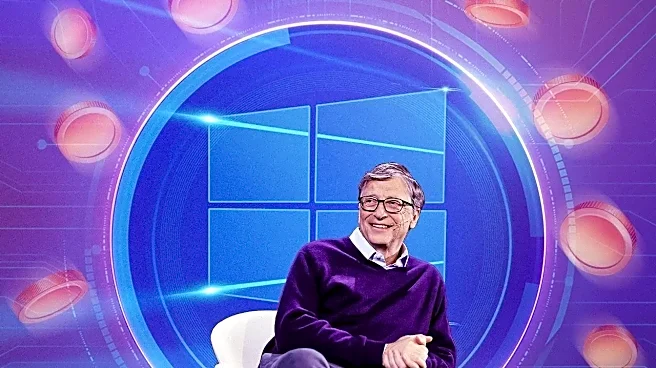
Bill Gates’ vision was to put 'a computer on every desk and in every home,' and the business model was perfectly crafted to achieve it. Microsoft didn't just sell software; it licensed an ecosystem. By getting MS-DOS and then Windows onto nearly every personal
computer, Microsoft created a powerful monopoly. The strategy was to build a wide moat. Developers wrote programs for Windows because that's where the users were, and users bought Windows PCs because that's where the programs were. Office productivity software—Word, Excel, PowerPoint—became the default tools for the entire corporate world, locking in customers with high switching costs. This model was based on the one-time sale of product licenses, creating a virtuous cycle that made Microsoft the most dominant software company on the planet. The goal was to own and control the platform, and for a long time, it was an unstoppable force.
A New Playbook for a New Era
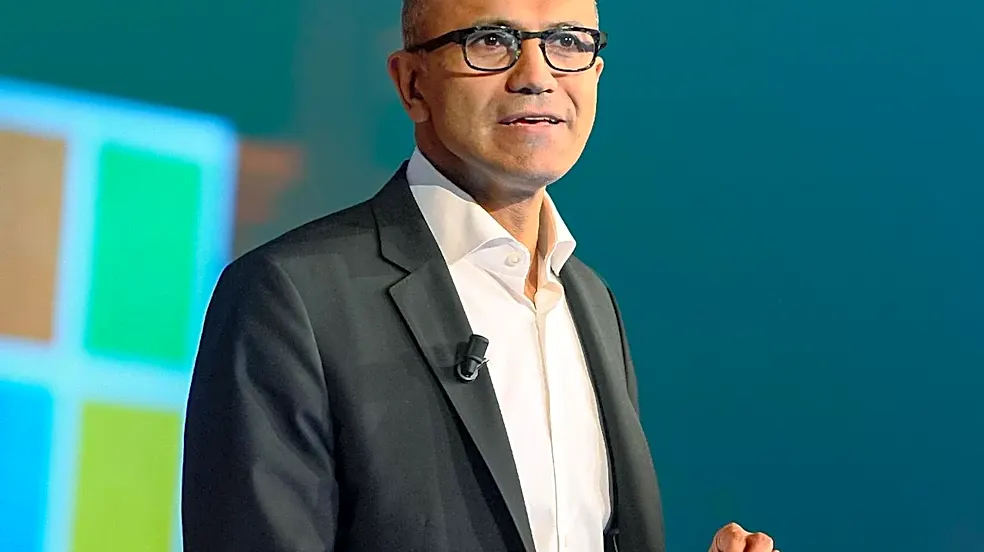
When Satya Nadella took over as CEO, the world had changed. Mobile had eclipsed the PC, and the 'Windows-first' strategy was failing. Nadella initiated a profound cultural and strategic reset, shifting the company’s focus from protecting its legacy products to embracing the cloud and, eventually, artificial intelligence. The new mantra was about partnership and collaboration, a stark contrast to Gates's more aggressive and competitive approach. Instead of trying to force everyone into a Microsoft-owned world, Nadella's strategy was to meet customers where they were, even if it meant putting Microsoft software on rival platforms like iOS and Android. This laid the groundwork for the AI era, reorienting the company around its business customers and the vast potential of its Azure cloud platform.
The Partnership Model: Renting Genius
The clearest expression of this new model is Microsoft’s multi-billion dollar partnership with OpenAI. Instead of trying to build the world's most advanced large language models entirely in-house, Microsoft effectively partnered with the leader. This is the opposite of the old Gates model. Microsoft provides OpenAI with the critical supercomputing infrastructure via its Azure cloud, and in return, it gets premier access to cutting-edge AI technology that it can weave into its entire product line. While the partnership has evolved to give OpenAI more flexibility, Microsoft remains a primary partner and major financial stakeholder, benefiting from OpenAI's growth. This symbiotic relationship allows Microsoft to focus on what it does best: distribution and integration at a massive scale. It's less about owning the core invention and more about building the indispensable infrastructure that delivers it to millions.
From Products to Consumption
The way Microsoft makes money from AI is also fundamentally different. The old model was transactional: you bought a copy of Office. The new model is based on consumption and subscriptions. There are two main engines driving revenue. First, Azure's cloud services are sold on a consumption basis; the more companies use AI models and data services, the more they pay. Second, Microsoft is selling AI as a premium layer on top of its existing software. Microsoft 365 Copilot isn't a free update; it's a paid add-on, turning AI into a recurring revenue stream. Microsoft's true advantage is its massive installed base. By embedding AI tools like Copilot directly into Teams, Office, and even Windows, the company can deploy new technology to hundreds of millions of users who are already in its ecosystem, transforming applications into intelligent agents.