


First, What Is the Neural Engine?
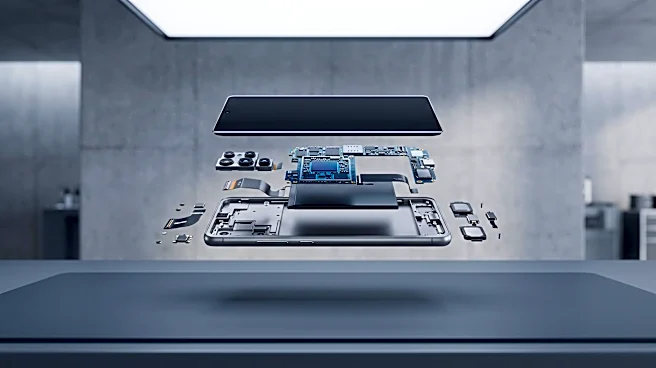
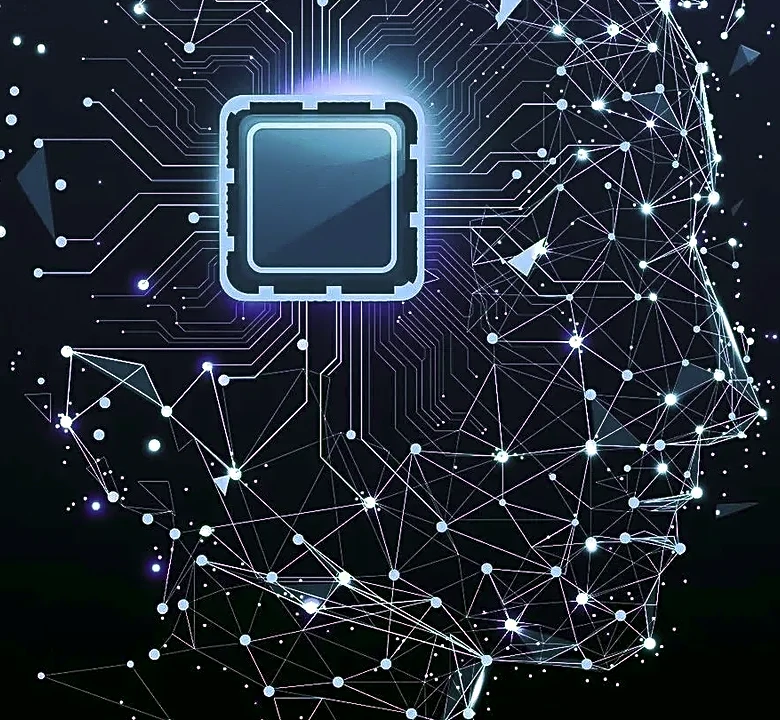
Think of the Neural Engine as a dedicated 'brain' inside your iPhone's main chip. While the main processor (the CPU) is a generalist that handles everything, and the graphics processor (the GPU) creates visuals, the Neural Engine is a specialist. It's
built for one job: running artificial intelligence and machine learning tasks incredibly fast and efficiently. It first appeared in the iPhone 8 and X to power Face ID and Animoji, but its capabilities have grown exponentially since. This dedicated hardware allows your phone to do complex AI calculations without needing to connect to the cloud, which is faster, more private, and saves battery life.
The Old Model: Big, Obvious AI Features
For years, the Neural Engine's power was showcased in big, tentpole features. When you used Face ID to unlock your phone, the Neural Engine was analyzing your face. When you took a photo in Portrait Mode, it was distinguishing you from the background. Other examples include real-time language translation, advanced image processing for Night Mode, and identifying objects in your photos. These are powerful, heavy-lifting tasks that require a massive number of calculations. The Neural Engine was like a prized powerlifter, brought out to perform impressive feats of strength that were clearly visible to the user.
The Micro-Trend: A Shift to 'Ambient' AI
The micro-trend to watch is a strategic pivot from using the Neural Engine for just those big moments to using it for thousands of tiny, predictive tasks all the time. Instead of a powerlifter, imagine the Neural Engine becoming more like the phone's ambient nervous system. With the launch of Apple Intelligence and more sophisticated on-device models, the focus is shifting toward proactive assistance and contextual awareness that feels seamless. This isn't about one killer app; it's about making the entire operating system smarter. The Neural Engine is now being used to predict which app you might open next, intelligently summarize your notifications, or subtly adjust keyboard suggestions based on the context of your conversation.
What to Watch for at the iPhone 18 Event
As you watch the iPhone 18 keynote, don't just look for a single, flashy AI feature. Instead, listen for language that points to this broader utilization. Look for demonstrations where the OS seems to anticipate the user's needs. This could be in Siri offering more relevant, multi-step actions without being asked, or the Photos app creating more nuanced memories by understanding the relationships between people and events. With rumors pointing to a new, more powerful A20 Pro chip, possibly with an even more capable Neural Engine, Apple has the hardware to push this further. Pay attention to mentions of 'proactive suggestions,' 'contextual awareness,' and 'on-device intelligence'—these are the code words for this new strategy.