





The Software (R)evolution Is Key
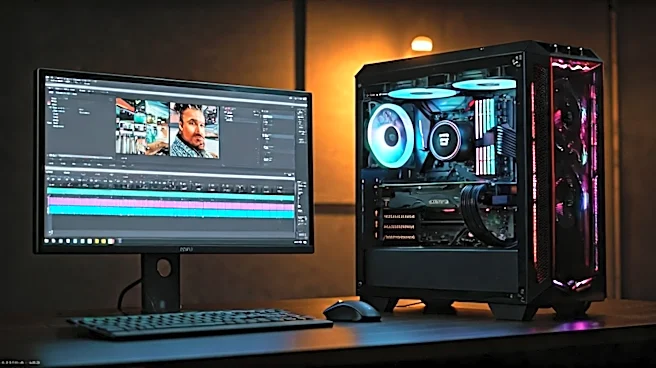
The single biggest reason your gaming PC can double as a killer editing machine isn’t the hardware itself—it’s the software. For years, professional applications were built to rely on specialized, certified hardware and drivers. That’s no longer the case.
Software developers like Adobe (Premiere Pro), Blackmagic Design (DaVinci Resolve), and Apple (Final Cut Pro) have aggressively optimized their code to take advantage of the immense power available in consumer-grade components. They recognized their user base was expanding from Hollywood studios to millions of YouTubers, freelancers, and small businesses. This means modern editing software is specifically designed to leverage the architecture of a gaming-focused graphics card (GPU) for tasks like real-time playback, rendering effects, and exporting final files. What once required a $4,000 workstation card can now be done just as quickly, or even faster, by a top-tier gaming GPU.
When a Gaming GPU Is More Than Enough
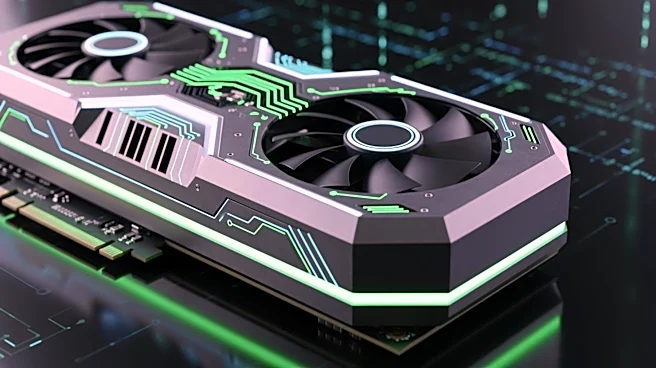
Let’s talk graphics cards. In the pro world, NVIDIA’s RTX Ada Generation (formerly Quadro) cards are the gold standard. They come with certified drivers, massive amounts of video memory (VRAM), and are built for rock-solid stability in complex 3D and VFX workflows. But for the vast majority of video editors working with 4K or even 6K footage, that’s overkill. A high-end consumer card, like an NVIDIA GeForce RTX 4080 or 4090, offers staggering raw performance. Thanks to technologies like CUDA and NVENC (NVIDIA’s dedicated video encoder), these cards chew through editing timelines and export jobs at incredible speeds. While a professional card might have an edge in 10-bit color processing or niche scientific applications, for standard editing, color grading, and motion graphics, the gaming card often provides 95% of the performance for 50% of the cost. The spec sheet doesn’t tell you that the gaming card’s raw horsepower, driven by market demand, often eclipses the specialized optimizations of its pricier cousin for common tasks.
Monitors: Closing the Color Gap
A decade ago, using a consumer monitor for serious color grading was unthinkable. They were inaccurate, had poor contrast, and couldn’t display professional color gamuts. Today, the game has completely changed. The rise of high-end gaming monitors, particularly those using OLED and Mini-LED technology, has dramatically narrowed the gap. A premium gaming display can now offer near-perfect coverage of the DCI-P3 color space (the standard for digital cinema) and incredible contrast ratios. While it’s not a $20,000 reference monitor for a final Hollywood color pass, it's more than accurate enough for the primary delivery target of most creators: the internet. When properly calibrated with an affordable tool, a top-tier gaming OLED can give you a reliable picture for grading content destined for YouTube, Instagram, and streaming services. The spec sheet might show similar resolution and refresh rates, but the real-world color fidelity of modern consumer displays is what makes them viable pro tools.
The CPU and Storage Sweet Spot
The performance story extends beyond the GPU. Consumer-focused CPUs from Intel (Core i9) and AMD (Ryzen 9) now pack an astonishing number of cores and threads, rivaling workstation chips from just a few years ago. These cores are essential for everything from decoding complex camera codecs to running multiple applications at once. Because the gaming market drives such massive volume, these powerful processors are available at prices that would have been unimaginable in the professional space. The same is true for storage. Blazing-fast NVMe SSDs, once a luxury item, are now standard in any decent gaming PC. For video editing, this means your operating system, applications, and active project files can be accessed almost instantly, eliminating the bottlenecks that used to plague timeline scrubbing and media management. A system built for gaming is, by its very nature, a system built for high-throughput data and responsiveness—exactly what a video editor needs.