





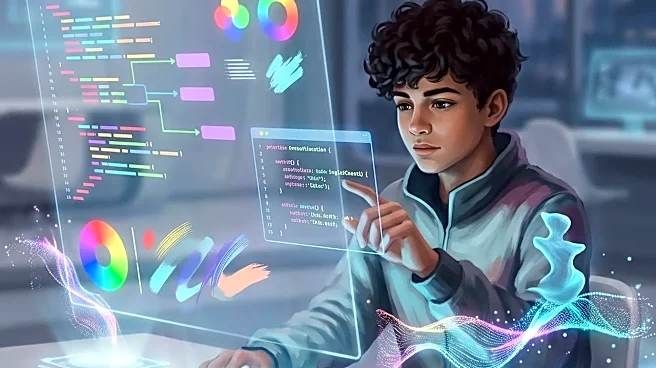
What is the Multimodal Pivot?
For most people, AI like ChatGPT has been a text-in, text-out experience. You type a question, it writes an answer. A multimodal model shatters that limitation. It processes and understands information from multiple 'modalities' at once—text, images,
audio, and even video. This means you could show it a picture of your refrigerator's contents and ask for a recipe, have a real-time spoken conversation with translation, or get it to analyze a complex visual chart from a business report. This isn't just an upgrade; it’s a fundamental change in how AI perceives and interacts with the world, moving from a single-sense tool to a multi-sensory partner. OpenAI's recent models, like GPT-4o, are early, powerful examples of this, capable of holding a fluid, emotionally-toned voice conversation while also seeing and interpreting the world through a camera.
A Necessary Move in a Crowded Field
OpenAI didn't invent multimodal AI, and its pivot is as much about defense as it is about innovation. The competitive landscape is heating up, with tech giants like Google and Anthropic aggressively pushing their own powerful multimodal models. Google's Gemini family and Anthropic's Claude models have demonstrated strong capabilities in handling complex tasks that mix visuals and text. For OpenAI, standing still as the 'text company' was not an option. The market for multimodal AI is projected to grow exponentially, reaching billions of dollars as it finds applications in everything from banking to healthcare. By making a hard pivot, OpenAI is fighting to maintain its leadership and set the terms of the next AI arms race, ensuring it isn't outmaneuvered by rivals who offer more integrated, versatile solutions.
Beyond the Keyboard: Agents and Hardware
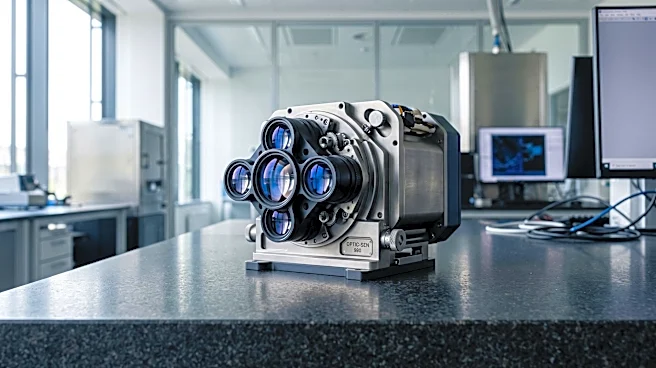
The multimodal strategy isn't just about making ChatGPT more versatile; it's the foundation for OpenAI's grander ambition: autonomous AI agents. At its most recent DevDay, the company introduced concepts like 'Dots'—AI agents that can take on complex, persistent tasks in the background, interacting with apps and collaborating with human teams. This vision only works if the AI can understand the messy, non-text world of screenshots, video meetings, and voice commands. Recent enterprise-focused announcements, like the 'ChatGPT Space' for team collaboration, are designed to be hubs where humans and these multimodal agents work together. There are even reports of OpenAI developing its own hardware, such as camera-equipped smart speakers, to create an 'ambient computing' experience where the AI is a constant, helpful presence that sees and hears its environment. This hardware play would be a direct bet on a multimodal future, moving AI off the screen and into the physical world.
Setting the Agenda for the Next Cycle
An OpenAI DevDay is more than a product launch; it's a signal to the entire tech ecosystem about what to build next. By centering its latest announcements on multimodal capabilities and the agentic future they enable, OpenAI is effectively setting the agenda for the next 12-month development cycle. The company is telling thousands of developers who build on its platform that the future isn't just about building better text-based apps—it's about creating services that leverage voice, vision, and autonomous action. This strategy forces competitors to respond and ensures that OpenAI remains at the center of the conversation. The focus is shifting from simply providing a powerful model to creating an entire ecosystem where AI does more, with less human intervention, across more formats than ever before.