
The Illusion of a Simple Retailer
On the surface, Costco appears to be just another big-box retailer, albeit one with an almost cult-like following. For years, financial analysts viewed it through a traditional lens, seeing a low-margin
business that seemed perpetually at risk. With razor-thin markups on products—deliberately capped at around 14-15%—the model seemed to defy conventional wisdom. Analysts often criticized the company for spending what could be shareholder profit on lower prices and better wages, viewing these choices as weaknesses rather than strengths. They saw a simple, high-volume store and missed the interlocking system of competitive defenses being assembled in plain sight.
The Membership Masterstroke
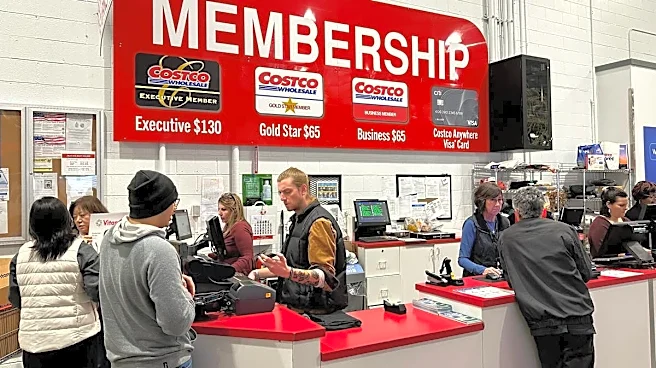
The first and most crucial piece of the moat is the membership fee. Wall Street often sees revenue in terms of product sales, but at Costco, the profit center isn't the merchandise; it's the membership. The annual fee, which brings in billions in high-margin, predictable revenue, effectively covers most of the company's operating profit. This brilliant move flips the entire retail incentive structure. Costco’s primary job isn't to make money on the goods it sells, but to provide so much value that renewing your membership becomes an automatic decision. With renewal rates consistently hovering above 90% in the U.S. and Canada, it creates a massive, loyal customer base that is locked in before they even walk through the door.
A Treasure Hunt in Bulk
A typical supermarket might stock 30,000 different items; Costco carries fewer than 4,000. This isn't a limitation; it's a strategy. Extreme curation means Costco uses its immense buying power on fewer products, negotiating incredible prices. It also turns shopping into an adventure. While staple items are always there, a significant portion of the inventory rotates, creating a “treasure hunt” effect. Members know that a unique find—be it a kayak, a high-end jacket, or a new gourmet food item—might not be there on their next visit. This creates a sense of urgency and discovery that encourages impulse buys and, more importantly, frequent return trips to see what’s new.
Kirkland: The Secret Super-Brand
Perhaps the most underestimated part of Costco's moat is its private-label brand, Kirkland Signature. Introduced in 1995, Kirkland is not a typical generic store brand; it has become a mark of quality that, for many members, is more trusted than national brands. The goal is simple: create a product that is equal to or better than the leading brand and sell it for a significant discount. Kirkland now accounts for a massive portion of Costco's total sales, giving the company enormous leverage over suppliers and further reinforcing its value proposition. When members trust the house brand this deeply, it makes them even less likely to shop anywhere else.
The Unseen Asset: Employee Loyalty
In an industry notorious for low wages and high turnover, Costco has always been an outlier. The company pays its employees significantly higher wages and offers better benefits than the retail average. For a long time, Wall Street viewed this as an unnecessary expense. But Costco understood it as a strategic investment. High pay leads to exceptionally low employee turnover—a fraction of the industry average. This reduces hiring and training costs, while experienced, happier employees provide better customer service and are more productive, creating a positive feedback loop that strengthens the entire business from the inside out.