






Smart Lighting: Your Body's Internal Clock
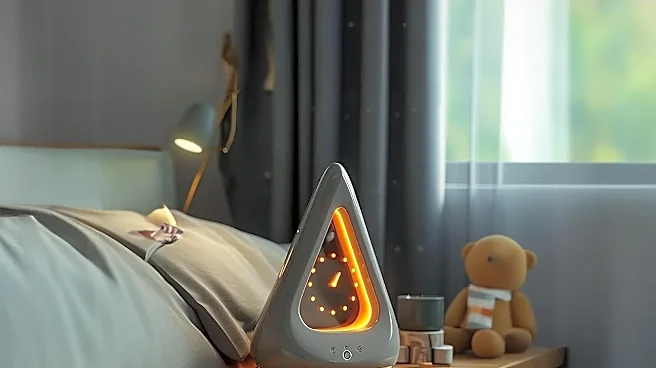
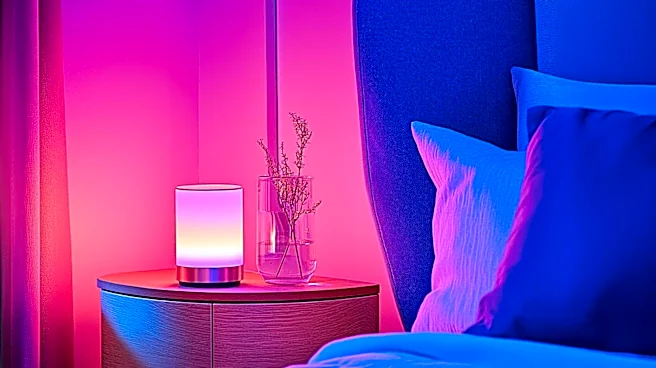
Perhaps the most impactful and overlooked upgrade is a smart lighting system. Beyond the convenience of voice commands, these systems are powerful wellness tools. By mimicking the natural progression of the sun, they help regulate your body's circadian
rhythm, which is crucial for quality sleep. In the evening, programming your lights to shift to warmer, amber tones can signal your body to produce melatonin, helping you wind down and fall asleep more easily. Conversely, a simulated sunrise, where lights gradually brighten with cooler tones in the morning, can help you wake up feeling more refreshed and alert, even on dark winter days. This kind of automation transforms the bedroom from a static room into an environment that actively supports your sleep cycle.
Automated Blinds: The Unsung Hero of Privacy and Sleep
Manual blinds are a daily chore; smart blinds are a set-it-and-forget-it solution for perfect sleep conditions. For anyone who needs total darkness to rest, automated blackout shades are a game-changer. They can be scheduled to close at bedtime, ensuring no stray light from streetlamps or early sunrises disrupts your sleep. In the morning, you can sync them with your alarm to open automatically, letting in natural light to help you wake up. Beyond sleep, this automation adds a layer of security, allowing you to create the illusion that someone is home by scheduling the blinds to open and close while you're away. It also contributes to energy efficiency by closing during the hottest parts of the day to keep the room cool.
Sound Machines: More Than Just White Noise
Disruptive sounds from traffic, neighbors, or even within your own home are a common cause of poor sleep. While many are familiar with white noise, modern sound machines offer a sophisticated solution. These devices create a constant, soothing audio blanket that masks jarring noises, preventing them from pulling you out of deep sleep. Research has shown that a consistent sound environment can help people fall asleep faster and stay asleep, which is especially beneficial in loud urban areas. Many machines offer a variety of soundscapes—from white and pink noise to nature sounds like rain or ocean waves—allowing for personal preference. For some, it becomes a powerful auditory cue, training the brain that it's time to rest.
Air Quality Monitors: The Invisible Health Benefit
We spend roughly a third of our lives in the bedroom, yet the air we breathe there is often an afterthought. An indoor air quality monitor is an essential gadget that provides real-time data on pollutants, allergens, humidity, and CO2 levels. Poor air quality can lead to everything from allergies and congestion to restless sleep. When integrated with a smart air purifier, the system can automatically activate when pollutants are detected, ensuring you're always breathing clean air while you sleep. This isn't just about comfort; it's a direct investment in your respiratory health, reducing the unseen stressors that can impact your overall well-being.
The Impact on Home Value
These gadgets aren't just personal perks; they are increasingly becoming an expectation for homebuyers. A home that features integrated smart technology is seen as modern, efficient, and well-maintained. Features like smart lighting, security, and climate control are no longer niche interests but are becoming key selling points that can increase a property's value. Surveys show that a significant number of buyers, especially younger generations, are willing to pay more for a home with smart features already installed. By thoughtfully outfitting your master bedroom, you're not just upgrading your lifestyle—you're making a strategic investment that can lead to a higher selling price and a faster sale.