







A Contrarian Bet in the Dot-Com Ashes
SpaceX was born at an unlikely time. Elon Musk founded the company in 2002, just as the embers of the dot-com bust were cooling. It was a period of intense skepticism toward ambitious, capital-intensive tech ventures. While the surviving tech world regrouped
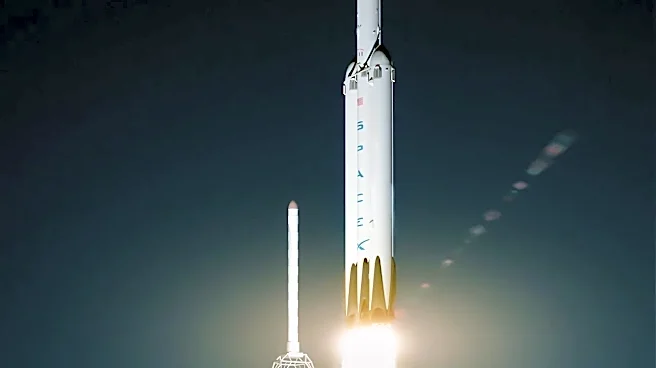
around software and less audacious business models, Musk made a colossal bet on hardware, physics, and the incredibly expensive dream of making space travel cheaper. The goal wasn't a quick flip or a viral app; it was to fundamentally re-engineer the economics of an entire industry by building reusable rockets—a concept many legacy aerospace players had deemed impractical or unprofitable. This long-term, manufacturing-focused vision set it apart from the very beginning.
Surviving the 2008 Financial Meltdown
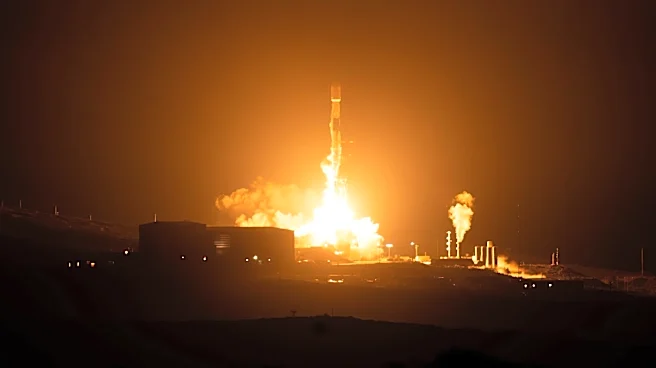
The company’s most perilous moment came during the 2008 financial crisis. After three consecutive launch failures of its first rocket, the Falcon 1, SpaceX was on the brink of bankruptcy. As global credit markets froze, venture capital dried up, and established giants wobbled, a fledgling rocket company with a string of expensive explosions seemed doomed. Musk famously poured the last of his personal fortune from his PayPal exit into SpaceX and Tesla. The company’s salvation came in two critical moments at the end of 2008: the first successful launch of the Falcon 1 in September, and a life-saving $1.6 billion Commercial Resupply Services contract from NASA in December. That contract, to deliver cargo to the International Space Station, provided the stability and revenue needed to survive when the private market couldn't.
Ignoring the Hype of Tech Booms
While Silicon Valley chased the booms of Web 2.0, social media, and the mobile app economy, SpaceX remained focused on its industrial mission. It was adjacent to these booms, hiring top engineering and software talent, but its success was never tied to advertising revenue, user growth metrics, or viral trends. Its business was built on multi-year government and commercial launch contracts. This focus on a different customer base—governments and satellite companies rather than consumers—insulated it from the fickle nature of tech hype cycles. While other companies pivoted frantically to become the next Facebook or Uber, SpaceX was methodically solving complex, real-world physics and manufacturing problems.
The Fortress of Vertical Integration
A key reason for SpaceX's resilience is its aggressive vertical integration. From the start, the company chose to design and manufacture most of its components—from rocket engines to software—in-house. This was a stark departure from the rest of the aerospace industry, which relies on vast and complex supplier chains. While more difficult upfront, this strategy gave SpaceX incredible control over cost, quality, and production speed. It could innovate faster and was less vulnerable to supplier price hikes or delays. When the COVID-19 pandemic and subsequent supply chain crises crippled global manufacturing, SpaceX’s self-reliant model proved to be a massive strategic advantage, allowing it to continue its blistering launch pace while others struggled.