









The Bedroom as a Sanctuary
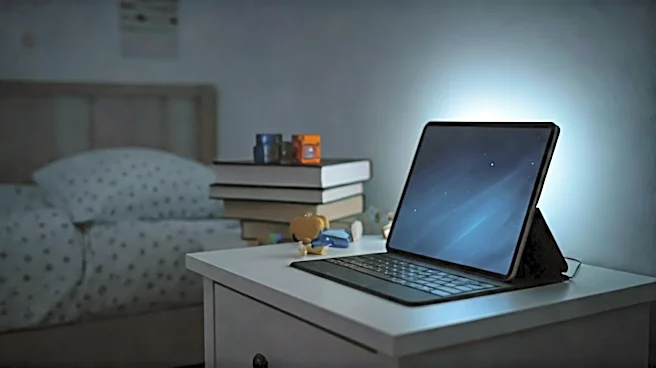
Before we talk about technology, let's talk about the bedroom itself. For a child, a bedroom is more than just a place to sleep. Environmental psychology suggests it's their one true sanctuary—a space for comfort, quiet, and imaginative growth. It is the environment
where they learn to be alone, to wind down, and to feel secure. When a room’s primary purpose shifts from a place of rest to a zone of media consumption, its fundamental nature changes. The introduction of always-on entertainment can subtly erode the room's role as a peaceful retreat, turning it into another hub of activity and stimulation. This isn't just a philosophical point; it affects a child's ability to self-regulate and find genuine rest.
The Unseen Disruption of Sleep
The most immediate and well-documented impact of bedroom electronics is on sleep. The American Academy of Pediatrics (AAP) strongly recommends keeping bedrooms screen-free for this very reason. The blue light emitted from screens suppresses melatonin, the hormone that signals the brain it's time for sleep. Because their eyes are still developing, children are even more susceptible to this disruption than adults; the same amount of light can suppress their melatonin levels twice as much. Beyond the biological effects, the content itself is designed to be stimulating. Exciting games or social media chats increase cognitive arousal, making it difficult for a child's brain to switch off. Even when a device is off, its presence in the room is associated with poorer sleep, as it creates a temptation for late-night use and disrupts the mental association between the bedroom and rest.
The Hidden Risks of Unsupervised Access
Placing an internet-connected device in a child’s bedroom effectively removes a layer of parental supervision. This private access opens the door to significant risks that are harder to manage behind a closed door. These dangers include exposure to inappropriate content like violence or pornography, the potential for cyberbullying, and contact with online predators who may pose as peers. Children may unknowingly share personal information, putting their privacy at risk, or develop digital habits without guidance. When tech is used in common areas like the living room, it creates natural opportunities for parents to co-view, discuss content, and model safe online behavior. A bedroom device, by contrast, fosters a private, unguided digital world that can have lasting consequences on a child's well-being and their perception of online safety.
Displacing Healthier Forms of Development
Every hour a child spends on a screen is an hour not spent doing something else. When that screen is in their private space, it often displaces activities crucial for healthy development. A screen-free bedroom encourages children to turn to other pursuits like reading, drawing, or engaging in imaginative play—activities that build focus, creativity, and problem-solving skills. It also encourages them to leave their room to seek entertainment and connection, fostering more face-to-face family interaction. The AAP emphasizes that media should not take the place of adequate sleep, physical activity, and social interaction, all of which are essential for growth. By keeping electronics out of the bedroom, parents help protect the time and space needed for these fundamental developmental building blocks to flourish.