








From Meme Stock King to Company in Crisis
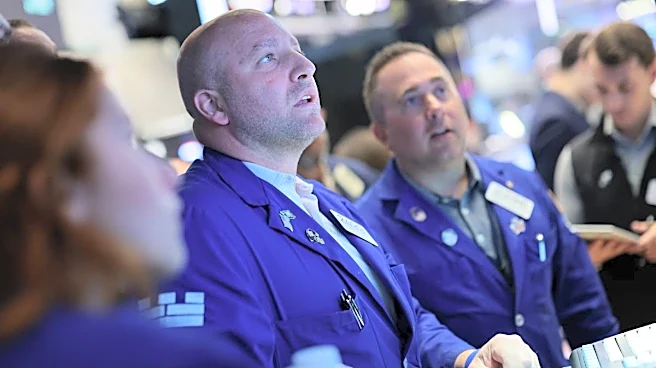
To understand Robinhood's pivot, you first have to remember the crisis. In 2021, the company was at the center of the GameStop trading frenzy. It was a moment of immense growth but also immense chaos. Unprecedented trading volume forced the platform to restrict
buying of certain stocks, infuriating users and attracting intense scrutiny from lawmakers. After its IPO later that year, the stock price cratered. The company's business model, heavily reliant on payment for order flow from a user base engaged in speculative trading, looked fragile. User growth stalled, and the cultural darling of fintech was suddenly on the ropes, losing money and active customers who had moved on from the pandemic-era trading boom.
The 'Financial Super App' Pivot
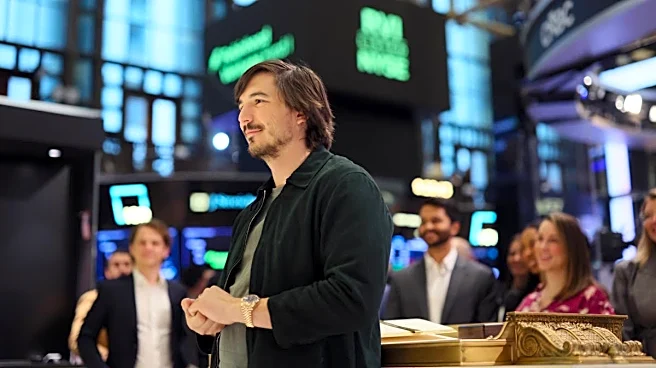
The pivot wasn't a single event but a fundamental shift in strategy, personally championed by CEO Vlad Tenev. Instead of being just a trading app for stocks and crypto, Robinhood decided to become a full-service financial partner for its customers. The new goal was to capture a larger "share of wallet" by getting users to manage their entire financial lives on the platform. This meant moving beyond the young, high-frequency trader and appealing to a more mature customer with long-term goals. The company began a deliberate transformation from a transaction-based model to an ecosystem built on subscriptions and interest-based revenue. It was a pivot from chasing fleeting trades to building lasting, profitable relationships.
Building the New Robinhood, Piece by Piece
This new strategy manifested through a rapid rollout of new products. The first major move was into retirement savings. Robinhood launched Individual Retirement Accounts (IRAs) with an aggressive matching program, a feature unheard of for IRAs at the time. For Gold subscribers, the company offers a 3% match on contributions, directly incentivizing users to bring their long-term savings to the platform. Then came the Robinhood Gold Card, a premium credit card offering a flat 3% cash back on all purchases, a rate designed to compete with the top cards from giants like Chase. This was followed by moves into high-yield cash accounts, advisory services called Robinhood Strategies, and even a deeper push into crypto infrastructure with its own blockchain. Each product was designed to intertwine, making it more attractive for a customer to use Robinhood for saving, spending, and investing.
The Results Are In: It's Working
The numbers show the pivot is paying off. In early 2026, the company reported record revenue for 2025, hitting $4.5 billion with a net profit of $1.9 billion, a stark contrast to the losses of previous years. Assets under custody have soared, reaching over $324 billion by the end of 2025. The number of subscribers for its premium Robinhood Gold service, the gateway to many of its best new products, grew by 58% year-over-year. CEO Vlad Tenev noted the company now has 11 different business lines generating over $100 million a year each, a massive diversification from its old reliance on trading commissions. Analysts have taken note, with firms like Goldman Sachs turning more bullish as the company proves its new model is more resilient and profitable.