






The Battle of the Boxes
Cast your mind back a decade. The idea of “streaming” was still finding its footing, and the market was a messy battlefield of small black boxes and HDMI dongles. You had the Apple TV, Google’s Chromecast, and Amazon’s Fire Stick, all vying for that precious
port on the back of your television. In this hardware slugfest was Roku, another company selling a popular, easy-to-use streaming player. It had a solid product, but it was just one player among many. Being a hardware company is tough; you have to design, manufacture, and sell a physical object, all while your bigger, richer competitors are doing the same. For a while, it looked like Roku was destined to be a permanent, if respectable, underdog.
The Move That Changed Everything
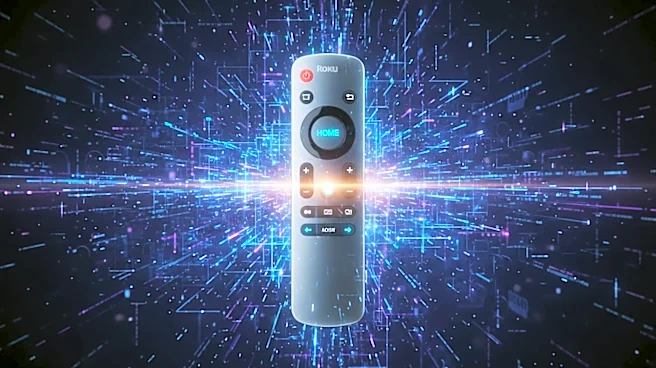
Then, in 2014, Roku made its brilliant pivot. Instead of just trying to sell more of its own boxes, the company decided to license its operating system (OS)—the software that runs the entire user experience—directly to television manufacturers. The first major partners were brands like TCL and Hisense. This was the single strategic move that reshaped the industry. Why was it so smart? Because it fundamentally changed Roku's business model. Instead of fighting to get a Roku box into your living room, Roku's software would now come pre-installed inside the television itself. When you bought a new TCL TV, it wasn't just a TCL; it was a "Roku TV."
From Hardware Maker to Platform King
This decision transformed Roku from a product company into a platform company. Suddenly, its success wasn't measured by how many little boxes it sold, but by how many active user accounts were running on its software. And that number exploded. For TV makers, it was a win-win. They didn't have to spend millions developing their own clunky smart TV software; they could simply use Roku’s, which was already beloved by consumers for its simplicity and vast channel selection. For Roku, the hardware—whether its own stick or the TV itself—became a Trojan horse. The real business wasn't selling the device; it was owning the user. Every Roku TV sold meant another household was locked into its ecosystem, where Roku could make money from advertising on the home screen and taking a cut of subscription fees from services signed up for through its platform.
The Ripple Effect on the Streaming Wars
The competition was forced to react. Amazon and Google eventually followed suit, creating Fire TV and Google/Android TV editions with manufacturers. But Roku had the first-mover advantage and a laser focus on being a neutral platform, unlike its rivals who often prioritized their own content. By the late 2010s, Roku's strategy had paid off handsomely. It became the number one smart TV OS in the United States, powering a massive percentage of new televisions sold. This scale gave it immense power. Content providers like Netflix and Disney+ couldn't afford not to be on Roku. Advertisers flocked to the platform to reach its tens of millions of active households. The little black box company was now the gatekeeper.