



The 'Investment': Your Upfront Costs
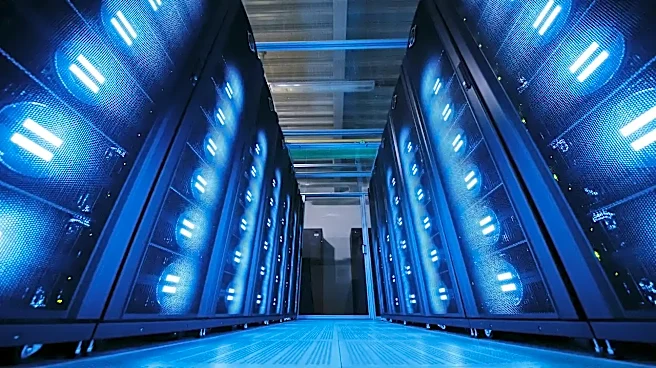
Before you can see a return, you have to spend. The biggest line item is obviously the GPUs themselves. A single high-end Nvidia chip like an H100 or B200 can cost between $25,000 and $40,000. A server built to hold eight of them can run from $300,000
to over $700,000. A small 32-GPU cluster, once you add in essential high-speed networking and storage, can easily push past $2.5 million. This initial cash outlay is the 'I' in your ROI calculation, often called Capital Expenditure (CapEx). It’s the total price of all the hardware and foundational infrastructure needed just to turn the lights on. Many analyses stop here, which is a critical mistake.
The Hidden Drain: Ongoing Operational Costs
A GPU cluster is a hungry beast. The biggest ongoing cost is power. Electricity and cooling can account for 30-50% of the lifetime Total Cost of Ownership (TCO). An eight-GPU server can add tens of thousands of dollars to your annual power bill, and a larger cluster can draw multiple megawatts of power. Then there’s the cost of the data center space itself, specialized staff to manage the cluster (who command high salaries), software licensing, and maintenance contracts. These ongoing expenses, or Operational Expenditures (OpEx), are relentless. Some estimates suggest that for every dollar you spend on hardware, you should expect to spend another $0.50 to $0.70 on operating it over three years. Ignoring OpEx gives you a wildly optimistic payback period.
The 'Return': Revenue and Savings
Your cluster has to earn its keep. The 'return' side of the equation comes in two main forms. The most direct is generating revenue, such as by renting out your GPU compute time to other companies. Top-tier GPUs can be rented for several dollars per hour, creating a clear income stream. The other path is cost savings or internal value creation. For example, using the cluster to accelerate your own product development, automate internal processes, or create proprietary AI models that give you a competitive edge. While direct revenue is easier to track, internal savings—like reducing man-hours on a task or speeding up research—are just as valuable but require careful measurement against a pre-AI baseline.
Putting It All Together: The Simple Payback Formula
With the key components defined, the basic formula for the payback period is refreshingly simple. It measures the time it takes to break even on your initial investment: Payback Period (in years) = Initial Investment / (Annual Net Cash Flow). Here, 'Initial Investment' is your total CapEx. 'Annual Net Cash Flow' is your annual revenue (or savings) generated by the cluster minus your annual operating costs (OpEx). For example, if you spent $3 million on a cluster (Initial Investment) and it generates $2 million in annual revenue while costing $500,000 a year to run, your net cash flow is $1.5 million. Your payback period would be $3,000,000 / $1,500,000 = 2 years.
Beyond the Formula: The X-Factors to Watch
This simple formula is a fantastic starting point, but it's not foolproof. The biggest variable is utilization—the percentage of time your expensive GPUs are actually working and earning money. Most cluster operators lose money if utilization falls below 60%. Another factor is the rapid pace of technological advancement. Today's cutting-edge B200 GPU will eventually be superseded, causing its value and rental price to depreciate. Finally, you have to decide if owning is even the right move. Renting from a cloud provider eliminates the upfront CapEx and operational headaches, and often makes more sense for companies that don't have constant, high-utilization workloads.