




The Order: A Promise of Future Power
A GPU order is the first step in the long, expensive journey of building AI capacity. When a company announces a massive order for the latest AI chips, it represents a purchase commitment, not immediate capability. Think of it as pre-ordering a highly
anticipated electric vehicle; the money is committed, but the car isn't in the driveway. Due to immense demand and manufacturing constraints like advanced packaging and high-bandwidth memory, lead times for enterprise-grade GPUs can stretch from six to over twelve months. These orders are a powerful signal of a company's ambition and a leading indicator of future capital expenditure, but they don't represent servers that are ready to run AI models.
The Deployment: From Loading Dock to Live Cluster
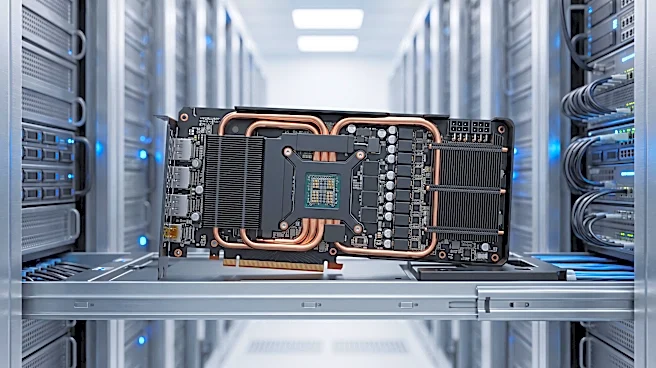
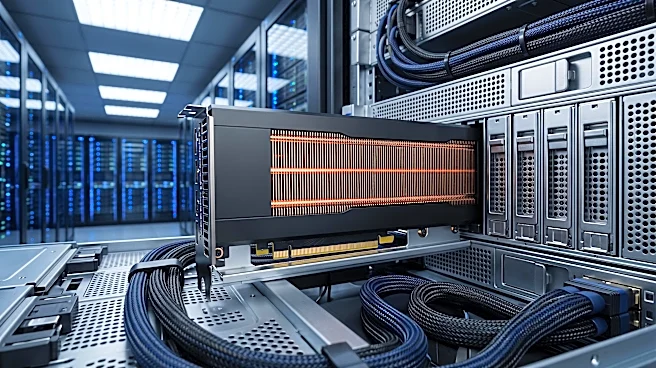
Deployment is the gritty, complex process of turning boxed GPUs into a functioning AI data center. This stage begins when the ordered hardware finally arrives. It involves much more than just plugging in servers. Technicians must physically install the GPUs into racks, a process known as 'racking and stacking'. Then comes the critical work of connecting them with high-speed networking, like InfiniBand or Ethernet, which is essential for large models that require many GPUs to communicate. Perhaps the biggest hurdles are power and cooling. AI-grade GPU clusters consume immense electricity and generate intense heat, often requiring custom liquid cooling systems and even upgrades to the data center's core power infrastructure, which can take 18 to 36 months on their own. A deployment is only complete when the hardware is installed, powered, cooled, networked, and configured with the necessary drivers and software.
The Usage: Where AI Actually Happens
Actual usage is the final, and most important, stage. A fully deployed GPU cluster can still sit idle or be heavily underutilized. Usage, or utilization, measures how much of a GPU's processing power is actively being used to perform work, like training a new model or running inference for a live application. Experts distinguish between simple 'activity' and 'productive work'. A GPU can show 90% utilization because its cores are active, but if it's constantly waiting for data due to a slow storage pipeline, its actual productive output is low. This is the difference between being 'busy' and being 'effective'. Many organizations report that their expensive GPU fleets run at below 30-40% utilization, representing a massive waste of resources. Achieving high, productive usage requires not just the hardware, but also sophisticated scheduling software, optimized AI models, and a steady stream of work to keep the processors fed.
Why the Gap Matters: Hype vs. Reality
The gap between orders, deployments, and usage tells the real story of the AI boom. A surge in orders indicates massive investment and market confidence. However, the lag before deployment highlights the real-world bottlenecks in data center construction, power availability, and supply chains. A six-month delay on a single 6-megawatt GPU block can represent millions in lost revenue for a cloud provider. The final gap, between deployment and usage, reveals the operational maturity of an organization. Owning a supercomputer is one thing; running it efficiently to generate business value is another entirely. For investors and executives, tracking these separate metrics is essential. It provides a clear-eyed view of a company's true AI capability, separating the ambition of a press release from the productive reality of a well-run AI factory.