





The Handshake from the Future
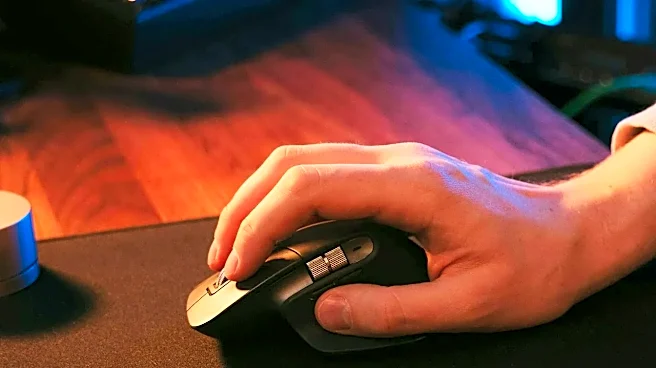
At first glance, a vertical mouse looks like a piece of abstract sculpture or a shark fin for your desk. Instead of forcing your hand into a flat, palm-down position, it rotates your wrist into a neutral “handshake” grip. The design was born from a simple
ergonomic idea: the traditional mouse forces your forearm bones (the radius and ulna) to twist, creating strain over thousands of hours of use. A vertical orientation keeps these bones in a more natural, parallel alignment, reducing pressure on the wrist's delicate carpal tunnel area and shifting the work to larger, more durable muscles in the forearm and shoulder. This fundamental change is aimed at preventing the repetitive strain injuries (RSIs) that plague many desk workers. It's not just about comfort; it's about biomechanics.
Born from Pain, Adopted by Coders
The vertical mouse wasn't a top-down innovation from a tech giant. It was a bottom-up solution to a real-world problem. Inventor Jack Lo developed the first prototype in 1994 after experiencing wrist pain from his own computer use. After being rejected by major companies like Microsoft, he self-funded the project, and the first Evoluent VerticalMouse finally hit the market in 2002. Its earliest adopters were “power users”—programmers, graphic designers, video editors, and writers who spent eight or more hours a day clicking and dragging. For them, a comfortable mouse wasn't a luxury; it was a tool essential for their livelihood. Positive testimonials spread through forums and word-of-mouth, building a cult following for a product that prioritized long-term health over familiar design.
The Slow Creep into the Mainstream
For over a decade, vertical mice remained a niche product championed by smaller, specialized brands like Evoluent and later, Anker, which offered a highly accessible, budget-friendly model that became a popular entry point for the ergonomically curious. These companies proved a dedicated market existed. The real turning point came when industry giants took notice. In 2018, Logitech, a dominant force in computer peripherals, launched its MX Vertical mouse. This was a significant moment. It legitimized the vertical design, combining the ergonomic concept with premium features, high-quality sensors, and the marketing muscle that only a major player could provide. The entry of a titan like Logitech signaled that ergonomics was no longer a fringe concern but a central pillar of product design.
More Than a Mouse: The Ergonomic Ripple Effect
So, how did this oddity reshape consumer hardware? Its greatest impact wasn't in making every mouse vertical. Instead, it was in proving that a substantial number of consumers would actively choose and pay for products designed for wellness and physical health. The success of vertical mice helped fuel a broader market for all kinds of ergonomic equipment, from split keyboards and monitor stands to standing desks. This shift forced mainstream hardware companies to think beyond speed and aesthetics. Suddenly, “ergonomically tested” and “designed for comfort” became key marketing phrases. The vertical mouse demonstrated that user health could be a powerful selling point, nudging the entire industry toward a more human-centric approach to design and acknowledging that the way we interact with our devices has long-term consequences.