








1. Ada: The Fort Knox of Code
If a language was ever built for a zero-failure world, it's Ada. Named for Ada Lovelace, the first computer programmer, it was commissioned by the U.S. Department of Defense in the 1970s to be the single, ultra-reliable language for critical systems.
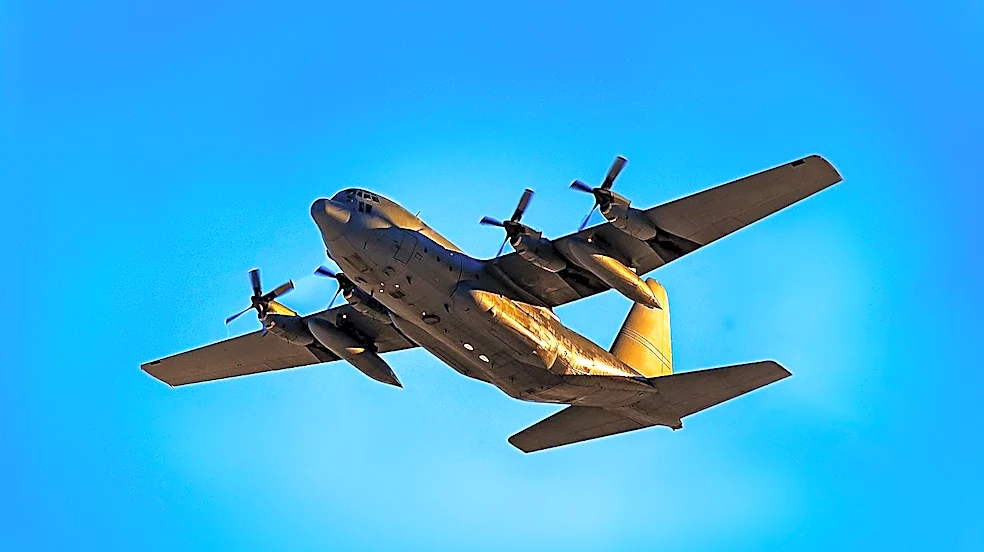
Its design philosophy is simple: catch errors at compile time, not when a multi-billion dollar satellite is in orbit. The syntax is famously verbose and strict, forcing programmers to be explicit and clear, which reduces the risk of dangerous bugs. While other languages have become more popular, Ada remains the gold standard in domains where reliability is non-negotiable, like flight control systems, military transport, and rocket launches.
2. C++: The High-Performance Workhorse
When you need raw speed and direct hardware control, you turn to C++. In the world of real-time embedded systems—the brains inside everything from radar to navigation units—performance is paramount. C++ gives developers the power to manage memory and system resources with surgical precision, ensuring that critical calculations happen exactly when they need to. This 'close to the metal' capability is why it's a go-to for the demanding software inside modern defense platforms. While it requires discipline to use safely, modern C++ includes features that help build robust, efficient, and more maintainable code for complex systems that run for decades.
3. Python: The Versatile Scripting Superstar
Not every task in defense is about controlling a missile fin in real-time. A huge amount of work happens on the ground in analysis, simulation, and security. This is where Python shines. As a high-level scripting language, it's perfect for automating tasks, analyzing massive datasets from sensors, and rapid prototyping. In the cybersecurity domain, a core part of RTX's business, Python is the undisputed champion for everything from penetration testing to incident response. It acts as the connective tissue, linking different security tools and automating defenses, making it an essential part of the modern cyber arsenal.
4. VHDL: The Blueprint for a Chip
This one isn't a programming language in the traditional sense; it's a Hardware Description Language (HDL). VHDL (and its cousin, Verilog) is used to design and model the custom integrated circuits—like FPGAs and ASICs—that are the digital heart of modern electronics. Instead of telling a processor what to do, you're literally describing the logic gates and pathways of the hardware itself. In aerospace and defense, where off-the-shelf chips may not meet the extreme requirements for temperature, radiation, or performance, custom hardware is common. VHDL allows engineers to design, simulate, and verify this hardware with immense precision before it's ever physically created.
5. SysML: The Architect's Grand Plan
How do you design something as complex as a next-generation fighter jet or a global command-and-control network? You don't start with code; you start with a model. The Systems Modeling Language (SysML) is a graphical language used to specify, analyze, and visualize complex systems. It helps massive, interdisciplinary teams of mechanical, electrical, and software engineers stay on the same page. SysML models serve as the master blueprint, defining the system's requirements, structure, and behavior long before the first line of code is written or the first piece of metal is cut. With the upcoming SysML v2 promising even better integration and automation, it's becoming the foundational language for digital engineering in defense.