






The Detail Hiding in Your Wall
The hidden detail is a single wire: the neutral wire. In a standard home electrical circuit, the “hot” wire brings power from your breaker panel to the switch, and the neutral wire takes that electricity back to the panel, completing the loop. A traditional
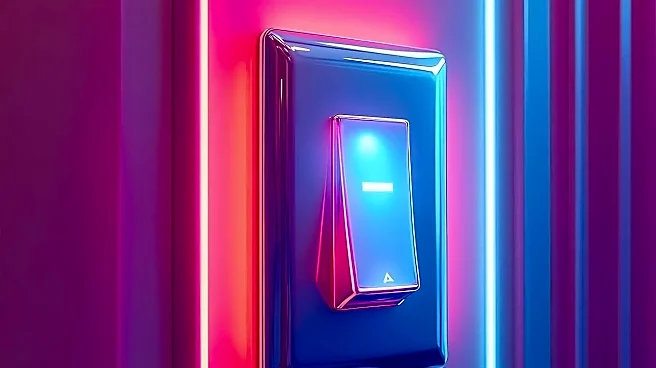
“dumb” switch simply interrupts the hot wire to turn a light off. It doesn’t need power itself. A smart switch, however, is a mini-computer. It has a radio (like Wi-Fi or Zigbee) and internal electronics that need a constant, tiny amount of power to stay connected to your network and listen for commands, even when the light is off. The neutral wire provides a clean, continuous return path for that standby power.
Why Your Home Might Not Have It
Here’s the problem: for decades, it was common practice for electricians to wire switches without a neutral wire in the switch box, especially in homes built before the 1980s. This method, often called a “switch loop,” sends power from the panel directly to the light fixture in the ceiling first. Then, only the hot wire is run down to the wall switch. Since a simple mechanical switch didn’t need a neutral, this saved a bit of copper and time. The result is that millions of homes have switch boxes with only hot wires and a ground wire, but no neutral. If you buy a standard smart switch that requires one, it simply won’t power on.
How to Check Your Wiring (Safely)
You don't need to be an electrician to perform a basic check, but safety is paramount. First, and most importantly, turn off the power to the switch at your circuit breaker. Once you're certain the power is off, unscrew and remove the switch’s faceplate. Gently pull the switch out from the wall box. Look inside. If you see a bundle of two or more white wires capped together with a wire nut and tucked into the back of the box—and not connected to the old switch—that’s almost certainly your neutral bundle. If you only see a couple of black wires connected to the switch and a bare copper or green ground wire, you likely do not have a neutral. If you’re ever unsure, stop and consult a qualified electrician.
The 'No-Neutral' Workaround and Its Catches
If you discover you don't have a neutral wire, don't despair. Manufacturers have created “no-neutral” smart switches specifically for this situation. But they come with significant trade-offs. These switches work by leaking a tiny amount of electrical current through the light fixture itself to power their electronics. This clever trick can cause problems, especially with modern, low-wattage LED bulbs. You might experience flickering, a faint glow even when the light is “off,” or buzzing sounds. Many of these switches require a bypass capacitor to be installed at the light fixture to mitigate these issues, adding another step to installation. They also tend to lack advanced features like energy monitoring and may not work well with very heavy or very light electrical loads.
The Verdict: Neutral Is Almost Always Better
While no-neutral switches are a functional solution for older homes, a smart switch that uses a neutral wire is fundamentally more stable and reliable. It gets its own dedicated power without interfering with the light fixture, ensuring smoother performance and wider compatibility with all types of bulbs. The choice isn't about preference; it's about compatibility with your wiring. If you have a neutral wire, you should always opt for a smart switch designed to use it. If you don't, you can either use a no-neutral model and accept its potential quirks or hire an electrician to run a new neutral wire to the switch box—a more involved but permanent solution that will future-proof your home for any smart device you want to install down the line.