




For years, the home Wi-Fi router was a necessary evil: an ugly, blinking box you hid in a corner. Today, we have sleek, multi-part systems that just work. This wasn't an accident. It was a revolution sparked by a new breed of hardware.
The 'Ugly Box in the Corner' Era
Remember the old
days of Wi-Fi? It was a world defined by a single, over-burdened router. It was probably black or blue, covered in cryptic lights, and bristling with antennas that made it look like a robotic insect. The setup process often involved a CD-ROM and a web interface that felt designed by engineers, for engineers. Performance was a guessing game; you had fast coverage in the living room, a weak signal in the bedroom, and a total dead zone in the kitchen. For a long time, the industry’s solution was simply more power and more antennas. Routers got bigger, more aggressive-looking, and more complex, but they didn't solve the fundamental problem: a single box can't possibly cover a whole home perfectly. This was the stagnant reality of consumer networking hardware for the better part of a decade.
The First Wave and a New Set of Rules
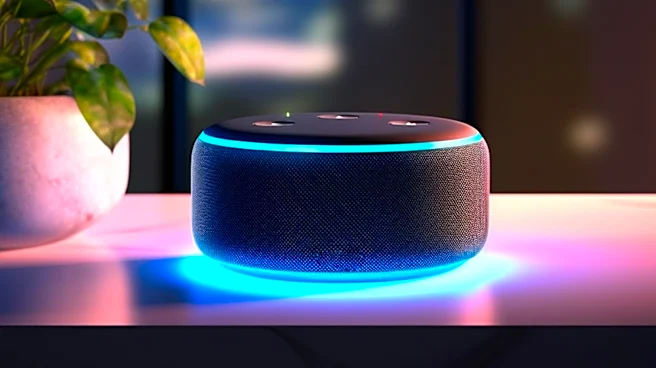
Around 2016, a few startups, most notably Eero, came to market with a radical new idea: what if instead of one powerful router, you used several smaller, smarter ones that worked together? This was the dawn of consumer mesh Wi-Fi. Early reviews for systems like Eero and soon after, Google Wifi, were transformative. For the first time, tech journalists and buyer’s guides weren’t just focused on megabits-per-second. The conversation shifted dramatically. Reviewers raved about the setup process, which took minutes on a smartphone app instead of an hour in a web browser. They praised the minimalist, 'hockey puck' aesthetic that was meant to be seen, not hidden. And they celebrated the seamless handoff between nodes that finally killed the dreaded dead zone. The key takeaway from these early guides was clear: user experience mattered more than raw specs.
The Buyer's Guide as a Product Roadmap
This public shift in priorities sent a shockwave through the industry. Legacy manufacturers like Netgear, Linksys, and TP-Link, who had dominated the market with spec-heavy, feature-packed routers, suddenly found themselves on the back foot. The new buyer's guides weren't just for consumers; they became an unofficial product development roadmap for the entire category. The message was impossible to ignore: customers, guided by reviewers, would now pay a premium for simplicity, reliability, and good design. The features that mesh systems were praised for—a simple app, automatic updates, a single network name, and nodes that worked together seamlessly—became the new table stakes. The 'set it and forget it' promise, once a fantasy, was now the benchmark against which all new networking hardware would be judged.
How Simplicity Became the Ultimate Feature
In the years that followed, the market completely realigned. The oncendiche mesh category went mainstream. Traditional router manufacturers launched their own competing mesh systems, adopting the very design and software principles they initially overlooked. Aesthetics and ease of use, once afterthoughts, became primary marketing points. Even today's standalone routers often incorporate appndbased setups and simplified controls—a direct legacy of the mesh revolution. The success of systems from Eero, Google, and others proved that for most people, Wi–Fi isn’t a hobby; it’s a utility, like electricity or water. They don’t want to manage it, they just want it to work. Buyer's guides were the first to articulate this on a mass scale, effectively translating consumer frustration into a blueprint for a new generation of hardware that was designed for humans, not just for speed tests.