





The Summons to Cupertino
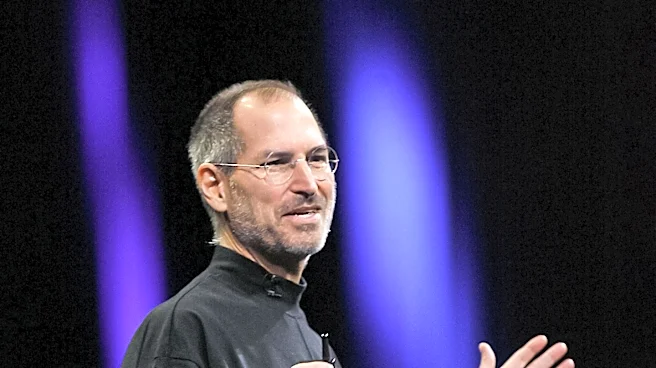
In 2009, Drew Houston and his co-founder Arash Ferdowsi were summoned to Apple's headquarters in Cupertino. For the two young founders of a burgeoning file-syncing startup called Dropbox, this was the pinnacle. They were there to meet Steve Jobs. Jobs,
then at the height of his power, was a fan. He respected the elegant way Dropbox solved a problem that even his own engineers struggled with. After some initial praise, he got to the point: Apple wanted to buy them. The offer was reportedly in the nine-figure range—a life-changing sum for the young entrepreneurs. For most startups, this is the exit they dream of: validation and a massive payday from the most iconic tech company in the world. It was the safe, logical, and incredibly tempting path.
The Audacity to Say No
Houston, however, did the unthinkable. He politely turned Steve Jobs down. He explained that he wasn't building Dropbox to sell it; he was building it to last. He wanted to create a major, independent company. Jobs's mood reportedly shifted instantly. If Apple couldn't buy Dropbox, it would bury it. 'You're a feature, not a product,' Jobs famously told them, warning that Apple would launch its own competitor and kill their business. Eighteen months later, Apple made good on that promise with the launch of iCloud. Houston and Ferdowsi left the meeting and drove off in their Zipcar, having just stared down a titan and walked away with a direct threat instead of a check.
The Bet on Neutrality
This is where the hidden bet reveals itself. Houston wasn't just betting on his product; he was betting on a fundamentally different vision for the internet's future. The tech giants—Apple, Google, Microsoft—were building powerful 'walled gardens'. Their cloud services would work seamlessly within their own ecosystems, but not necessarily with each other. Houston bet that users wouldn't want to be locked in. He believed the world needed a neutral, platform-agnostic layer where files could live and be accessed from any device, anywhere, regardless of whether it was a Mac, a PC, an iPhone, or an Android. While Jobs saw file-syncing as a mere 'feature' of an operating system, Houston saw it as the foundation of a new way to work. It was a bet on independence in an industry dominated by giants who wanted to own everything.
The Vindication
The years that followed were a brutal test. Dropbox found itself competing not just with iCloud, but with Google Drive and Microsoft OneDrive—all backed by companies with virtually unlimited resources. Yet, Dropbox didn't just survive; it thrived. Its viral referral program, where users got more free space for inviting friends, had already created a massive user base that continued to grow. More importantly, the company followed through on Houston's vision by pivoting toward the needs of business customers. While individuals might be swayed by the free storage bundled with their phone or operating system, businesses needed the powerful collaboration tools and cross-platform neutrality that Dropbox championed. In 2018, Dropbox went public, cementing its status as a resilient, independent powerhouse. The decision to say 'no' to Steve Jobs wasn't just a moment of defiance; it was the strategic choice that allowed Dropbox to become what it is today.