






So, What Is an AI PC, Anyway?
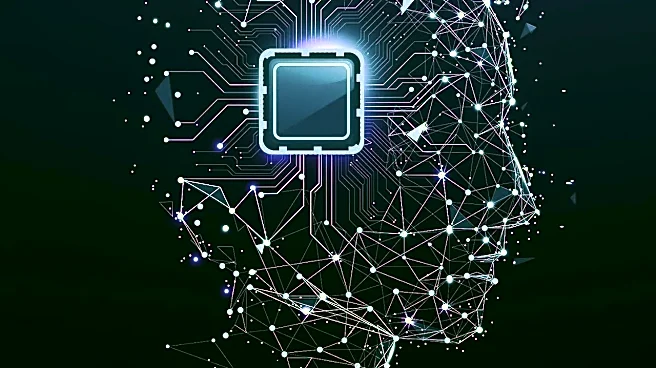
Before Berlin, the term "AI PC" was frustratingly vague. After IFA 2026, the definition is much clearer. At its core, an AI PC is a computer with a dedicated Neural Processing Unit, or NPU. Think of it like this: your computer's main brain is the CPU
(Central Processing Unit), and its graphics muscle is the GPU (Graphics Processing Unit). The NPU is a new, specialized part of the team, explicitly designed to run artificial intelligence tasks efficiently. The whole point is to perform these AI jobs—like blurring your background on a video call, generating images from a text prompt, or offering intelligent suggestions in an app—directly on your device instead of sending data to a powerful server in the cloud. This "on-device" or "local" AI approach has three major benefits: it's faster because there's no internet lag, it's more private because your data stays on your machine, and it's more power-efficient, leading to better battery life.
The Big Reveals from Berlin
IFA 2026 served as the official coming-out party for the hardware that makes AI PCs real. AMD kicked off the show with a keynote focused on the "Era of Personal AI," showcasing its next-generation Ryzen AI Halo platform, which can run massive AI models with up to 300 billion parameters locally on a laptop. They weren't alone. NVIDIA, a dominant force in cloud AI, made a huge push into local AI with its RTX Spark platform. It combines their powerful Blackwell GPUs with an efficient Grace CPU into a single "superchip." PC makers like ASUS, Acer, and Lenovo immediately showed off new laptops and compact desktops built around this new chip. Lenovo, in particular, embraced a "Hybrid AI" strategy, unveiling a wide range of ThinkBook and IdeaPad laptops powered by chips from AMD, Qualcomm, and soon, Intel. The common thread was a focus on systems powerful enough to handle not just simple AI commands, but more complex, multi-step "agentic AI" tasks.
Beyond the Hype: Real-World Uses
All this talk of TOPS (trillions of operations per second) and NPUs can feel abstract. What will you actually do with an AI PC? The new capabilities fall into a few key areas. First, there's a new class of "agentic AI" that acts more like a partner than a tool. Instead of just answering a question, it can perform complex, multi-step tasks across different applications. Microsoft demonstrated how its future Windows OS and Copilot assistant will use this power for features that anticipate your needs. For creative professionals, on-device AI means running powerful photo and video editing tools without an internet connection, like generating images or removing objects in a snap. Cyberlink's PhotoDirector, for example, announced a new AI PC Mode for its software launching with NVIDIA's RTX Spark platform. And for everyday productivity, expect features like real-time translation during video calls, intelligent summarization of long documents and email chains, and a search function that can find a file based on a vague description of its contents.
Is Your Next Computer an AI PC?
The short answer is almost certainly yes. The wave of announcements from IFA makes it clear that the AI PC isn't a niche category; it's the next evolutionary step for personal computing. Chipmakers like Intel, AMD, and Qualcomm are building NPU capabilities into their standard processor lines, from entry-level to high-end. Microsoft's Copilot+ PC designation sets a baseline for AI performance, ensuring that even mainstream laptops will have significant on-device AI power. This isn't a feature you'll have to hunt for. Instead, it will become a standard component of new machines rolling out in late 2026 and beyond. You won't be buying an "AI PC" so much as simply buying a PC, which will now inherently come with these AI capabilities built in. The transition will likely be as seamless and inevitable as the shift to multi-core processors over a decade ago.