





What Personal AI Used to Mean
Until recently, your experience with a personal AI was likely a reactive one. You’d ask Siri for the weather, tell Alexa to set a timer, or ask Google Assistant a trivia question. These assistants were powerful databases connected to a voice, living in the cloud
and waiting for a command. They were personal in the sense that they were on your device and linked to your accounts, but they weren't truly partners. They didn't anticipate your needs, manage complex tasks across different apps, or understand the nuances of your daily life without explicit instruction. This model was useful but limited, functioning more like a remote control for the internet than a genuine assistant.
The Big Shift at IFA 2026: From Cloud to Device
The theme resonating from the halls of IFA Berlin this year is a fundamental change in where and how AI operates. In an opening keynote, AMD's Jack Huynh described an evolution from the PC as a tool to an AI partner that understands a user's context and intent. This isn't just about making chatbots smarter; it's about moving intelligence from distant data centers directly onto the devices we use every day. This shift to on-device processing, powered by new chips like those championed by AMD, is crucial for two reasons: privacy and speed. When an AI can understand you without sending your data to the cloud, it can become a more trusted companion. This paves the way for what the industry is calling “agentic AI”—systems that don't just answer questions, but get things done.
Giving AI a Body and Senses
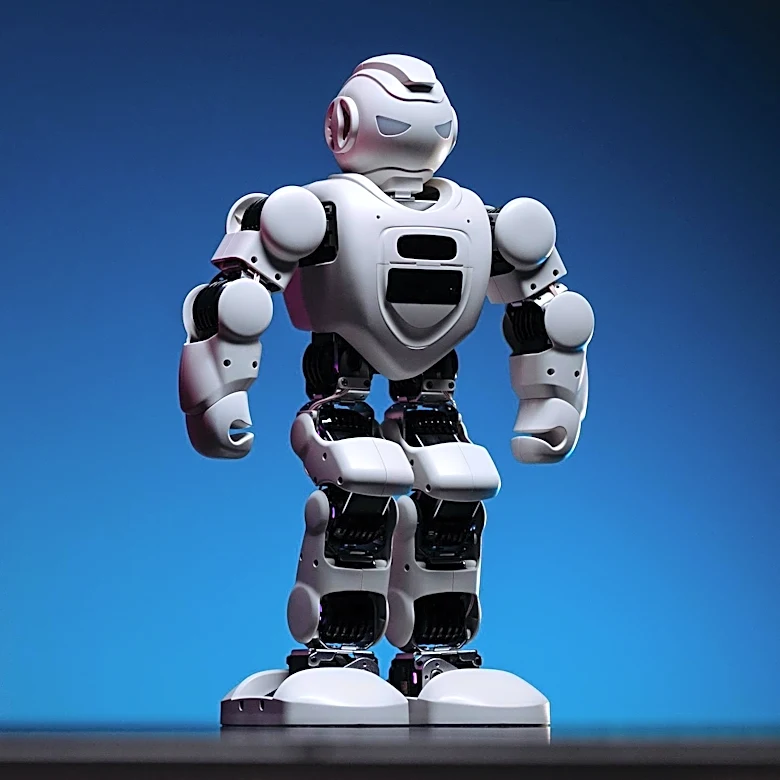
Perhaps the most dramatic redefinition on display at IFA is the move toward “embodied intelligence.” For the first time, AI is not just a voice but is being integrated into physical forms that can see, hear, and interact with the real world. We're seeing AI-powered cameras in dishwashers that identify contents to select the perfect wash cycle and save energy. Dyson introduced an electric toothbrush with an AI camera to guide your brushing and flossing. Beyond the home, companies are showcasing smart glasses that offer instant translation without a camera, addressing privacy concerns head-on. And humanoid robots are being presented not just as novelties, but as companions designed for life assistance in your living room. This trend gives AI the context a toddler takes for granted, allowing it to navigate physical reality.
From Reactive Commands to Proactive Partners
The new personal AI is designed to be proactive, not reactive. Instead of waiting for you to ask, it anticipates what you might need. The idea is that your AI agent will understand your workflows, your habits, and your goals. This means an AI that can manage your calendar, draft emails, and execute tasks across different programs without you orchestrating every step. The goal, as echoed by many companies at IFA, is technology that feels invisible yet constantly saves you time and effort. The focus is shifting from flashy specs to genuine comfort and utility—solving life's pain points rather than adding another gadget to the pile. AI is no longer being treated as a separate product category; it's becoming the underlying infrastructure for almost everything.