







The AI Gold Rush’s Shovel Seller
To understand why Nvidia's financials matter so much, think of the AI revolution as a 21st-century gold rush. While companies like OpenAI, Google, and Anthropic are mining for 'gold' by building powerful AI models, Nvidia is the one selling the essential
picks and shovels. Its graphics processing units, or GPUs, are the specialized hardware that provides the massive computational power needed to train and run large language models. This has given Nvidia a staggering market share, estimated to be around 80-90% for AI data center chips. As a result, the company’s sales figures aren't just about silicon; they are a direct, real-time indicator of how much capital is flowing into building the world's AI infrastructure.
More Than a Chipmaker, a Central Bank
Under its visionary, and now departed, CEO Jensen Huang, Nvidia evolved beyond a simple hardware supplier. The company began acting like a central bank for the AI ecosystem. It invested billions in promising AI startups and the 'neocloud' companies that rent out its chips, often creating a circular flow of capital where it funded the very customers buying its products. For example, the company took stakes in firms like CoreWeave and was expected to invest heavily in Anthropic's IPO. This strategy, sometimes called aggressive vendor financing, helped fuel the industry's explosive growth. However, with Huang's sudden resignation in November 2026 amid scandal, a major question hangs over the industry: will his successor continue to play this kingmaker role that propped up so much of the boom?
A Barometer of Market Confidence
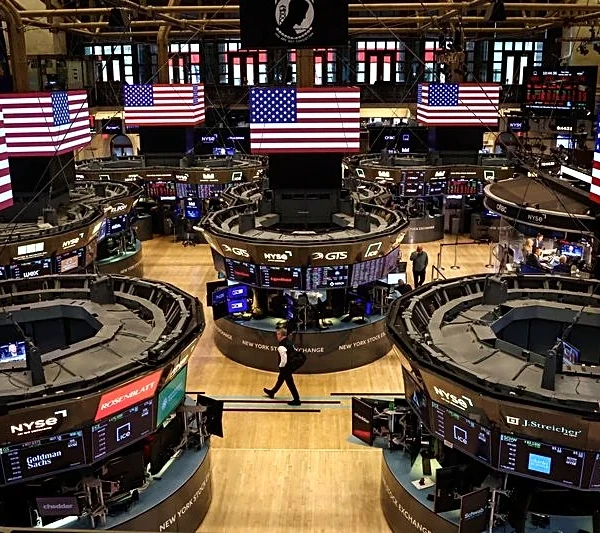
Because of its central position, Nvidia's stock has become a proxy for the entire AI sector. A strong earnings report, with revenue beating expectations and optimistic guidance for the future, can send a wave of confidence across markets, lifting not just chipmakers but the whole universe of AI-related stocks. Conversely, any sign of weakness—slowing growth, shrinking margins, or cautious guidance—can trigger a broad sell-off. Options traders are pricing in massive swings in market value around the earnings release, highlighting the uncertainty and the high stakes. The report is seen as a referendum on whether the massive spending on AI is sustainable or if the industry is overheating.
The Risks of a One-Company Foundation
This heavy dependence on a single company creates significant concentration risk for the global AI economy. It's not just about the chips themselves, but Nvidia's entire CUDA software platform, which developers have used for years, creating a powerful 'lock-in' effect that makes switching to competitors like AMD or Intel costly and complex. However, cracks are appearing in this fortress. Competitors are gaining ground, and some major AI players like Meta and OpenAI are actively working to diversify their supply chains and reduce their reliance on Nvidia. The very AI that runs on Nvidia's chips is now being used to write code that makes it easier to switch to other hardware, a paradox that could erode Nvidia's dominance over time. Any disruption at Nvidia—whether from leadership turmoil, supply chain issues, or increased competition—could have ripple effects across the entire tech landscape.