




The Undisputed Handheld Champion
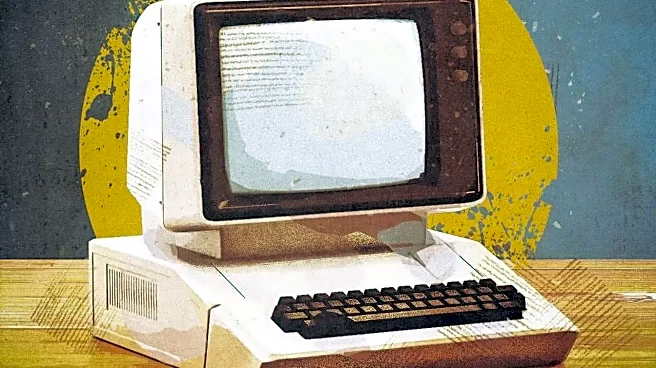
For a significant stretch of the late 1990s and early 2000s, Palm wasn't just a player in the mobile space; it was the game. The PalmPilot, first launched in 1996, was a revelation. It was a simple, elegant personal digital assistant (PDA) that did a few
things exceptionally well: managing your calendar, contacts, and notes. It was so successful that 'PalmPilot' became synonymous with 'PDA' itself. The company followed this up with the Treo line of smartphones, which successfully merged a phone with a PDA and became a favorite among business users. By the mid-2000s, Palm, alongside BlackBerry-maker RIM and Nokia, was one of the dominant forces in the emerging smartphone market. They had brand recognition, carrier relationships, and a loyal user base. But the ground was about to shift.
The iPhone Arrives and Changes Everything
The launch of the Apple iPhone in 2007 was an extinction-level event for the old guard. Its multi-touch interface, full-featured web browser, and revolutionary App Store model instantly made existing smartphones feel archaic. Palm's aging operating system, Palm OS, was suddenly a liability. To its credit, Palm’s leadership, including former Apple executive Jon Rubinstein, knew they needed a radical change to survive. They were at a critical fork in the road. On one path was the option to adopt a new, third-party operating system. Google's Android was nascent but available. The other path was far bolder and riskier: to build a brand-new, world-class mobile OS from scratch.
The Bet-the-Company Gamble on webOS
Palm chose the bolder path. It poured its resources into developing what would become webOS, an entirely new, Linux-based mobile operating system. When it was unveiled in 2009 alongside the Palm Pre, the tech world was floored. webOS was, by nearly all accounts, brilliant. It introduced features like 'Cards' for multitasking and a 'Wave' launcher that were elegant and intuitive—so much so that its influence is still visible in Android and iOS today. HP's later acquisition of Palm for $1.2 billion was almost entirely for the webOS platform, which it saw as a unique asset to compete against Apple. But this stunning piece of software came at an immense cost. Building an OS from the ground up was a massive drain on a company already under financial pressure.
The Alternate Reality: A World of Palm Androids
This is where Palm’s story could have diverged. What if, instead of building webOS, Palm had embraced Android? In the late 2000s, Google was actively seeking hardware partners to make its new OS a reality. Palm had everything a company like Google could want: a respected brand, deep hardware experience, and established relationships with carriers like Sprint and Verizon. Had Palm become a flagship Android manufacturer, it could have combined its elegant hardware design with the power and rapidly growing ecosystem of Android. A 'Palm Droid' could have easily been the premier Android device on the market, potentially beating Motorola, HTC, and Samsung in the race for high-end dominance. This move would have allowed Palm to focus its resources on what it did best—designing great hardware—while letting Google handle the monumental task of building and maintaining a competitive software platform.
Too Little, Too Late
In our reality, the webOS gamble did not pay off. The Palm Pre was a good phone, but it was exclusive to a struggling Sprint for too long and arrived after the iPhone and Android had already captured the hearts, minds, and wallets of consumers and developers. The app ecosystem, crucial for a modern smartphone, never materialized for webOS. Developers flocked to the massive user bases of iOS and Android, leaving the Palm App Catalog a virtual ghost town. The financial strain of developing webOS proved too much, leading to the sale to HP in 2010. HP, after its own fumbled attempts to build a business around webOS with products like the TouchPad tablet, unceremoniously killed off all webOS hardware just a year later, effectively ending the Palm legacy.