





Anatomy of the Collapse
The numbers behind Tesla's 2022 crash are staggering. After a spectacular eight-fold rally in 2020 that made it one of the most valuable companies in the S&P 500, the stock came crashing down. By the end of 2022, Tesla had lost nearly 70% of its value,
a far steeper decline than the broader market indices like the S&P 500 or even other struggling tech giants. On one particularly brutal day in late December, the stock plunged 11% in a single session. This wasn't just a minor correction; it was a catastrophic unwinding that saw the company's market valuation shrink from over a trillion dollars to around $345 billion, knocking it out of the top 10 most valuable companies in the S&P 500.
The $44 Billion Distraction
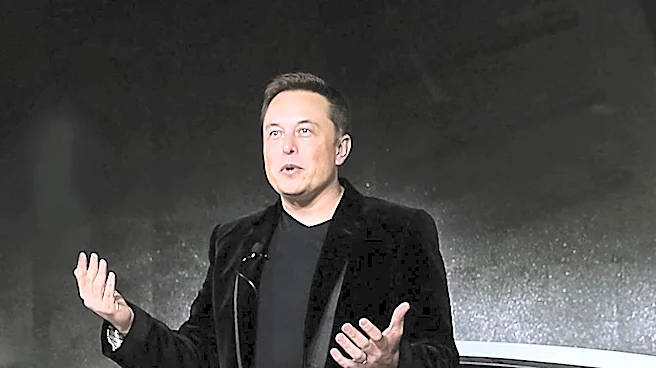
While several factors were at play, one event stands out as the primary catalyst: Elon Musk’s chaotic, high-stakes acquisition of Twitter. The saga, which began in April 2022 and concluded in October after a bitter legal battle, proved to be a massive distraction for Tesla's CEO. More critically, to finance the $44 billion deal, Musk sold off huge tranches of his own Tesla stock—billions of dollars worth at a time. These massive sales flooded the market with shares, creating immense downward pressure. For investors, it was a double whammy: the CEO seemed preoccupied with his new social media venture, and he was simultaneously diluting his own stake in the car company that had made him the world's richest person.
Cracks in the Electric Armor
Musk's Twitter drama unfolded against a backdrop of growing economic anxiety. Rising interest rates made high-growth, high-valuation stocks like Tesla far less attractive to investors who could now get safer returns elsewhere. At the same time, the competitive landscape was heating up. For the first time, legacy automakers and new EV startups were rolling out a credible array of alternatives to Tesla's models. Analysts began to flag indicators of flagging demand globally, with reports of Tesla resorting to price cuts and promotions to move inventory. The narrative of infinite, unchallenged growth—the very story that had propelled the stock to its incredible highs—was beginning to show serious cracks.
When Wall Street's Reality Check Bounced
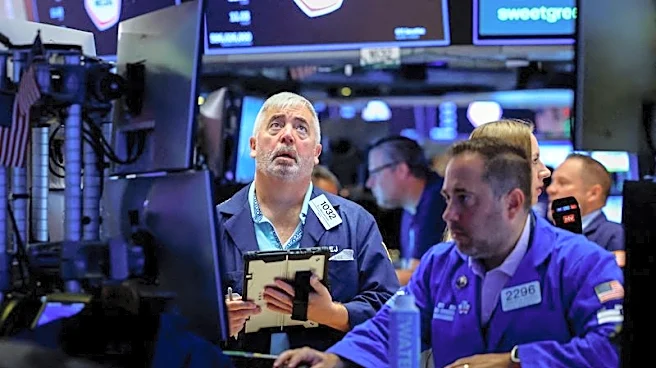
The headline's claim that Wall Street said it couldn't happen points to a fascinating psychological phenomenon. While some analysts did warn about demand and valuation, many maintained 'Buy' ratings and lofty price targets even as the stock cratered. The disconnect stemmed from the difficulty of valuing Tesla. Was it a car company, subject to the cyclical demand and tight margins of manufacturing? Or was it a tech company with a limitless future in AI, robotics, and autonomy? Many analysts clung to the latter story, valuing the company based on future promises rather than present-day fundamentals. This optimism, however, couldn't hold back the tide of negative sentiment driven by Musk's actions, a slowing economy, and rising competition, leading to a crash that many professional investors failed to anticipate in its severity.