






Snap Inc. has spent much of 2026 in the crosshairs of skeptical investors, but beneath the surface of its volatile stock price, a fundamental shift is occurring. The company is quietly pivoting from a pure social media play to a high-tech hardware and
AI powerhouse.
The Year of Volatility
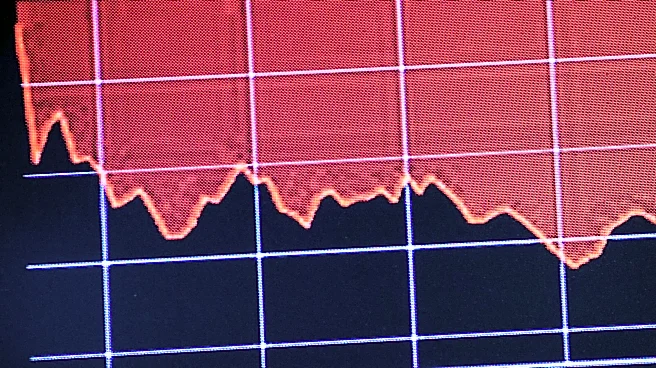
If you looked at Snap's performance through a purely rearview lens, the story looks grim. Since the start of 2026, investors who held the stock have faced a staggering 44 percent decline. The recent Q3 2026 earnings report served as a perfect microcosm of this struggle: while the company managed to beat earnings forecasts, it missed on both revenue and daily active users. To the casual observer, it looked like the same old story of a social media platform struggling to keep pace with giants like Meta. However, looking only at the stock price misses the structural changes happening inside the company's engine room.
Profitability vs. Growth
For a long time, the debate around Snap was a tug-of-war between two distinct camps. The optimists believed in a future where augmented reality (AR) would reshape digital interaction, valuing the company based on high growth and healthy margins. The skeptics, meanwhile, focused on the immediate headwinds: stricter privacy regulations and intense competition for ad dollars. The Q3 results actually provided a bridge between these two worlds. While user growth was a sticking point, the company reported a net income of 56.5 million dollars, a significant swing from the net loss reported the previous year. This move toward actual profitability suggests that Snap is learning how to monetize its ecosystem more efficiently, even if the top-line revenue hasn't exploded just yet.
Building the AR Moat
The real 'moat'—that defensive advantage that keeps competitors at bay—isn't found in the number of stories posted or filters used. It is being built in the realm of augmented reality and artificial intelligence. Wall Street has historically struggled to price the value of Snap's hardware ambitions. With the 2026 launch of the Specs AR glasses and a rapidly expanding developer ecosystem, Snap is attempting to move from being an app on someone else's phone to being the platform that defines how we see the world. If Snap can successfully turn AR engagement into premium advertising and subscription revenue, the current valuation gap becomes much harder to ignore. They aren't just building a social network; they are building the infrastructure for the next era of computing.
The New Valuation Reality
As of late November 2026, Snap is trading at a much lower level than its early-year highs, leaving a massive gap between its current price and the fair value estimates held by many analysts. This gap exists because the market is still deciding if Snap is a speculative social media play or a foundational technology company. The recent upgrade in its S&P rating suggests that institutional eyes are starting to shift toward the company's improving margins and advertising monetization. The question for investors is no longer just about how many people are swiping through stories, but whether the company's push into AI and AR hardware can create a high-margin business that is insulated from the whims of traditional social media trends.