








More Than Just a Bigger Number
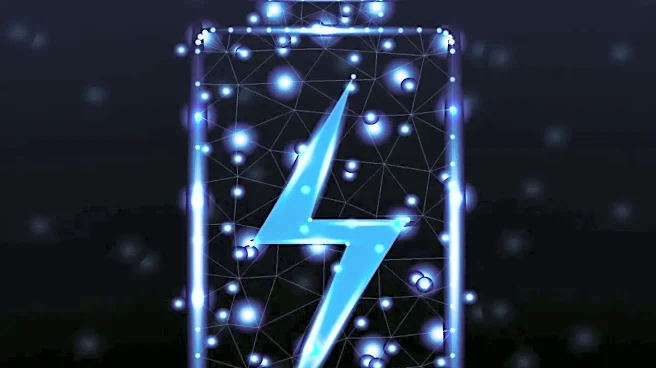
Every September, we get the same promise: “all-day battery life,” which usually translates to a modest, incremental improvement. This year, rumors about the iPhone 18 Pro Max suggest a significant capacity jump, potentially to over 5,500 mAh, which would
be the largest battery Apple has ever shipped. But a bigger tank is only half the story. The real narrative shift isn't just about adding more milliamp-hours; it’s about a fundamental change in how the battery works, thanks to two key factors: a new chip and new battery chemistry.
The Two-Part Revolution: A20 Chip and Silicon Anodes
The first part of the equation is the A20 Pro chip, which is expected to be built on a new 2-nanometer process. For the average person, that just means it's smaller and more efficient. Early reports suggest this chip could slash power consumption by up to 30% compared to its predecessor. That kind of efficiency gain, paired with a larger physical battery, is already a recipe for a massive leap in endurance. But the true game-changer, the “one signal” of the headline, lies in the battery’s core materials. For years, phone makers have hit a wall with traditional graphite anodes in lithium-ion batteries. The next frontier, already being used by some competitors, is the move to silicon-anode or silicon-carbon batteries. These new cells can pack vastly more energy into the same physical space. If supply chain whispers are true and Apple is finally adopting this technology, it wouldn't just be an improvement; it would be a generational leap.
What It Actually Means for You
So, what does this technical jargon mean for daily life? It’s the difference between ending the day with 15% left and ending it with 50%. It’s the potential for a phone that reliably lasts two full days, not just one. This fundamentally changes user behavior and reduces the constant, low-grade anxiety of hunting for a charger. A more powerful and efficient battery also unlocks new capabilities. It could allow for more powerful, always-on AI features to run in the background without a noticeable power penalty. It means more intensive tasks, like gaming or video editing, won’t send you scrambling for a power bank. In short, it would finally deliver on the promise of a truly untethered mobile device, freeing users from the psychological leash of battery percentage.
Why the Battery Could Steal the Show
In a mature smartphone market where camera and screen upgrades often feel incremental, a true battery revolution is a powerful differentiator. While a new foldable iPhone might grab headlines, a conventional iPhone that breaks the battery life paradigm could have a bigger long-term impact on the majority of users. It’s a feature that benefits every single person, every single day. A phone that lasts twice as long is a simpler, more compelling marketing message than a camera with a slightly wider aperture. If Apple pulls it off, the conversation after the event won’t be about megapixels or refresh rates. It will be about the end of battery anxiety. It would force competitors, some of whom are already using silicon-carbon tech, to accelerate their own efforts and could redefine what consumers expect from a flagship device. This one, seemingly boring component has the potential to become the most exciting story of the iPhone 18.