








The Rise of the Specialist
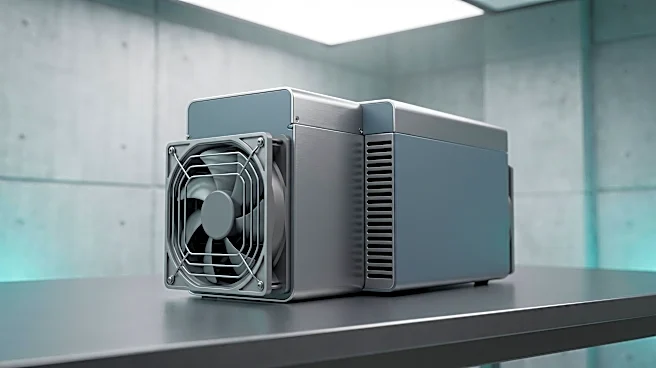
First, let's clarify what we're talking about. An ASIC is an Application-Specific Integrated Circuit. Unlike a flexible graphics card (GPU) in a gaming PC that can be used for various tasks, an ASIC is built for one purpose and one purpose only. In the
context of Bitcoin, that purpose is to solve complex mathematical problems to validate transactions and earn crypto rewards. They perform this single task with ruthless efficiency, delivering hash rates—a measure of mining power—that GPUs can't come close to matching. This specialization made ASICs the undisputed champions of Bitcoin mining, pushing out smaller, less-equipped GPU miners who could no longer compete.
A Barrage of Criticism
This dominance quickly drew a crowd of critics. The most common argument has long been about centralization. Because only a handful of companies have the resources to design and manufacture these complex chips, it puts enormous power into their hands. This goes against the decentralized ethos many in the crypto world hold dear. Others point to the high upfront cost, which creates a high barrier to entry for hobbyists and concentrates mining power in the hands of large, institutional farms. While these are valid concerns, they are also part of a complex and ongoing debate with sophisticated counterarguments, from the rise of open-source ASICs to the game theory that keeps major players in check.
The Undeniable Footprint
But there's one criticism that is much harder to argue with: electronic waste. An ASIC miner's physical lifespan might be five years or more if well-maintained, but its economic lifespan is often brutally short—sometimes just one to two years. The relentless pace of innovation means a top-of-the-line machine can become unprofitable and obsolete almost overnight as a newer, more efficient model hits the market. And unlike a GPU, which can be resold to a gamer or repurposed for AI tasks, a retired Bitcoin ASIC is essentially a brick. It was designed for one specific algorithm and can't be used for anything else. This creates a constant cycle of hardware replacement that generates tens of thousands of metric tons of e-waste annually.
A Problem Hiding in Plain Sight
While the energy consumption of crypto mining has dominated headlines for years, the e-waste problem is arguably more insidious. Solutions for the energy debate exist, such as using renewable or stranded energy sources. The e-waste problem, however, is inherent to the hardware's design. These devices contain valuable metals, but also potentially hazardous materials that risk polluting soil and water if not disposed of properly. While some recycling programs exist, the sheer volume of obsolete hardware is staggering, and global e-waste recycling rates are notoriously low. Cases of thousands of unprofitable miners being simply dumped have been documented, highlighting a critical, under-regulated aspect of the industry's environmental impact. The pressure to constantly upgrade to stay profitable creates a mountain of high-tech trash with a very short fuse.