








1. Perplexity AI: The New Search Challenger
Remember when Google’s clean, simple page made AltaVista’s cluttered portal look ancient? That's the dynamic to watch with Perplexity AI. Instead of a list of links, Perplexity provides direct, AI-generated answers with clear citations. It's a fundamental
shift in what a 'search' is. Like Google in 1998, Perplexity is the underdog with a revolutionary idea that challenges the very business model of the incumbent. Google's revenue depends on you clicking ad-supported links, while Perplexity offers a subscription-based, ad-free model. The parallel isn't about technology alone; it's about a challenger exploiting a weakness baked into the leader's core business.
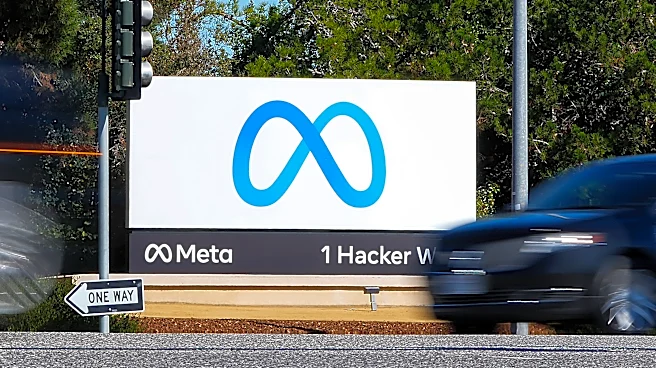
2. Meta: The 'Portal' Temptation
AltaVista's fatal mistake was abandoning its clean search focus to become a sprawling web portal with news, email, and shopping. It lost its identity. Now, look at Meta. What began as Facebook, a focused social network, has become a complex universe of competing priorities: Instagram, Reels, WhatsApp, Threads, Marketplace, and the massive, cash-burning bet on the metaverse. This strategic sprawl creates a user experience that can feel bloated and unfocused. While Meta’s resources are immense, the core lesson from AltaVista is that trying to be everything to everyone can dilute the very thing that made you great in the first place, opening the door for more focused competitors.
3. Intel: The Innovator Under Siege
For decades, "Intel Inside" was a guarantee of market leadership, just as AltaVista was the undisputed king of search in the mid-90s. But dominance creates blind spots. Intel was slow to adapt to the rise of mobile and has seen its market share in key sectors, like server CPUs, aggressively eroded by nimbler rivals like AMD and ARM-based chip designers. Recent data from 2026 shows Intel's server CPU market share fell significantly as AMD and Arm gained ground. This echoes how AltaVista, despite its powerful technology, was outmaneuvered by Google's superior PageRank algorithm and user-focused design. It's a classic case of an industry giant's leadership being chipped away by competitors who were faster to embrace the next big shift.
4. Shopify: The Strategic Expansion Tightrope
Shopify provides a best-in-class product for building online stores. Its success has naturally led to expansion into adjacent services like payments, logistics (Shopify Fulfillment), and business financing. On the surface, this ecosystem strategy is smart. However, it puts Shopify on a strategic tightrope. Each new feature adds complexity and potential costs, and a reliance on third-party apps for full functionality is a common user complaint. Expanding a business internationally using Shopify's tools, for example, reveals layers of operational complexity that the platform doesn't solve on its own. This mirrors the dilemma faced by AltaVista's owners: how do you expand and monetize without corrupting the core product that users love?
5. DuckDuckGo: Competing on a Different Axis
Part of Google’s genius was that it didn't just build a better search index; it changed the game with PageRank. DuckDuckGo offers a modern lesson in the same vein. It knows it can't out-Google Google on indexing the entire web. Instead, it competes on a completely different axis: privacy. It promises not to track your searches or create a user profile, directly opposing Google’s data-centric business model. This is the strategic pivot AltaVista never made. It tried to beat Yahoo! at the portal game instead of doubling down on what made its search unique or finding a new dimension on which to compete. DuckDuckGo’s survival proves that you don't always have to be bigger if you can be fundamentally different.