

1. RTX Corporation: The Electronics Powerhouse
If Lockheed Martin is known for its iconic airframes like the F-35, RTX Corporation (formerly Raytheon Technologies) is the master of the complex systems inside. Formed by the massive 2020 merger of Raytheon and United Technologies, RTX is a giant in its own right,
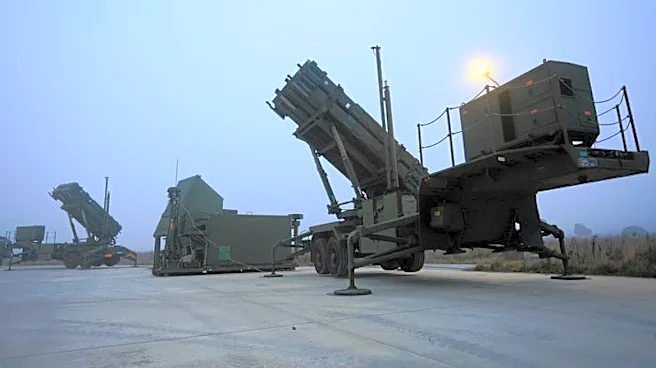
specializing in missiles, air defense systems, sensors, and avionics. Think of it this way: while Lockheed builds the fighter jet, RTX often provides the radar that lets it see and the missiles it carries. The company is organized into three major segments: Collins Aerospace, Pratt & Whitney (a world leader in aircraft engines), and Raytheon, which handles the defense systems. Studying RTX reveals how a defense behemoth can dominate by focusing on the high-tech, high-margin electronics and propulsion systems that give military hardware its edge.
2. Northrop Grumman: The Advanced Systems Innovator
Northrop Grumman has a flair for the futuristic and a history of building some of America's most secret and advanced military assets. The company was the prime contractor for the iconic B-2 Spirit stealth bomber and is now developing its successor, the B-21 Raider. This focus on next-generation, often classified, technology makes it a fascinating parallel to Lockheed's own Skunk Works division. Beyond stealth aircraft, Northrop Grumman is a major player in space, having been a key builder of the James Webb Space Telescope and developing systems for the Lunar Gateway space station. They are also a critical part of the U.S. nuclear triad's modernization. If Lockheed's story is about mastering large-scale production, Northrop Grumman's is about pushing the absolute limits of what is technologically possible in the shadows.
3. General Dynamics: The Ground and Sea Dominator
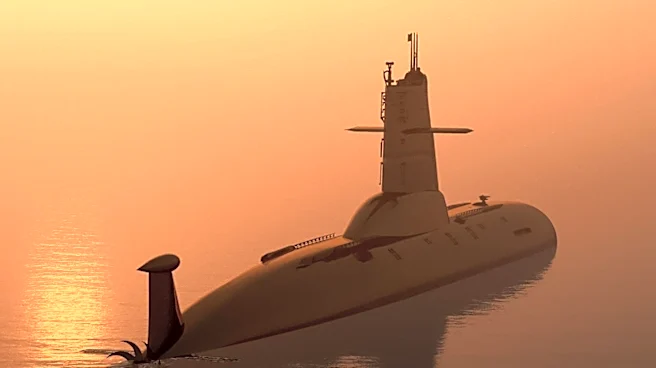
While much of the public focus in aerospace and defense is on things that fly, wars are also won on land and sea. This is the domain of General Dynamics. The company is a pillar of the U.S. military-industrial complex, responsible for building Abrams main battle tanks, Stryker combat vehicles, and, critically, nuclear-powered submarines. Its Marine Systems group, through shipyards like Electric Boat and Bath Iron Works, is one of only two U.S. companies that can build nuclear submarines, making it indispensable to national security. The company also has a significant business jet division (Gulfstream) and a growing technologies segment providing IT and C4ISR solutions. Studying General Dynamics provides a crucial lesson in the importance of diversification across military domains and the power of being an essential, non-replaceable supplier.
4. Boeing: The Commercial and Defense Hybrid
No discussion of aerospace giants is complete without Boeing. While often known for its massive commercial airliner business, its Defense, Space & Security (BDS) division is a direct and fierce competitor to Lockheed Martin. BDS produces military aircraft like the F/A-18 Super Hornet and P-8 Poseidon, military rotorcraft, and various space and satellite systems. What makes Boeing a compelling study is the constant interplay between its commercial and defense identities. The engineering and manufacturing expertise from its commercial side can be leveraged for defense projects, and vice versa. However, it also faces unique challenges, as issues in its commercial division can impact the entire corporation. Boeing's story is a case study in the risks and rewards of running a hybrid model in a high-stakes industry.
5. Palantir Technologies: The Data-Driven Newcomer
Palantir is the odd one out on this list, and that’s what makes it so important to study. It doesn't build jets or tanks; it builds software. Specifically, it builds data integration and analytics platforms like Gotham and Foundry that are used extensively by government agencies, including the Department of Defense and intelligence communities. Palantir's business model mirrors the defense giants in one key respect: its primary customer is the U.S. government and its allies. It has become deeply embedded in military and intelligence operations, with its AI-powered TITAN system being developed for the U.S. Army to improve field intelligence. Palantir represents the modern face of defense contracting, where the decisive advantage is seen not just in hardware, but in the ability to process vast amounts of data to make faster, smarter decisions. It shows where the future of the industry is headed.