




The USB-C Port Isn't What You Think
On the surface, all iPhone 15 models have a USB-C port, a welcome change mandated in part by European regulations. But this uniformity is dangerously misleading. The standard iPhone 15 and 15 Plus are equipped with a port that runs at USB 2.0 speeds, topping out at 480Mbps. That’s the same speed the old Lightning port offered for over a decade. The iPhone 15 Pro and Pro Max, however, feature a port with USB 3 speeds, capable of up to 10Gbps—over 20 times faster. Why does this matter? If you’re a photographer, videographer, or anyone who moves large files off your phone, this is a game-changer. Transferring a 10-minute 4K ProRes video from a Pro model could take less than a minute with the right cable. On a standard 15, you’d be looking at a 15-20
minute wait. For the average user who primarily charges their phone and backs up to iCloud wirelessly, this might not be a dealbreaker. But for creators, choosing the standard model could create a workflow bottleneck that wastes hours.
Are You a 'Pro' Photographer, Really?
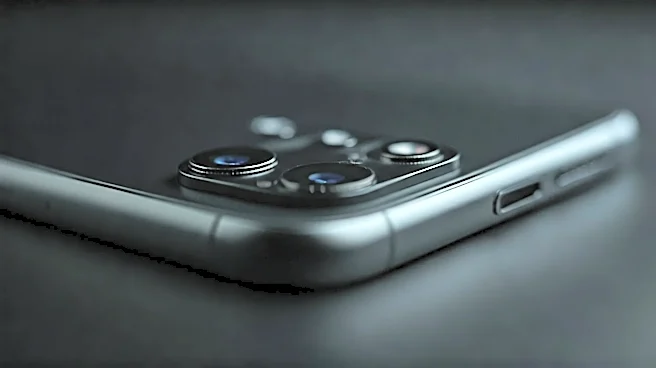
Apple’s marketing around its Pro cameras is brilliant, but it can lure you into paying for power you’ll never touch. The main camera on all models is a stellar 48MP shooter. The real divide is in the zoom and professional video features. The iPhone 15 Pro adds a 3x telephoto lens, while the Pro Max goes even further with a groundbreaking 5x optical zoom. If you’re constantly trying to get closer shots of your kids on a soccer field or wildlife on a hike, that extra reach is invaluable. If most of your photos are of friends, food, and pets within arm's length, the standard digital zoom is likely sufficient. The deeper divide lies in features like ProRes and Log video recording. These are not simple filters; they are professional formats that capture more data, allowing for extensive color grading and editing in post-production. They create huge files and require specialized software. If your video workflow ends when you post to Instagram or TikTok, you’re paying a premium for a feature set designed for aspiring filmmakers, not casual memory-makers.
The 'Pro' Chip Is About the Future
The standard iPhone 15 uses the A16 Bionic chip—the same fantastic processor from the iPhone 14 Pro. It’s incredibly fast and will handle any app you throw at it for years to come. The iPhone 15 Pro models feature the new A17 Pro chip. While Apple touts its speed improvements, its true significance lies in what it enables. This is the chip that can run console-quality games like 'Resident Evil Village' directly on your phone. It's also built with a more powerful Neural Engine, positioning it for the next wave of on-device AI and computational photography features that haven't even been announced yet. This makes the choice an investment question. The A16 is powerful enough for today and the near future. The A17 Pro is about future-proofing for high-end mobile gaming and advanced software capabilities that are just over the horizon. If you see your phone as a portable gaming console or want the absolute longest runway for new features, the Pro is the logical choice. Otherwise, you’re not missing out on any core functionality today with the standard model.
An Action Button vs. a Mute Switch
One of the most visible changes on the Pro models is the replacement of the iconic mute switch with a customizable Action Button. Out of the box, it functions as a mute switch. But with a little setup, it can become a one-press shortcut to launch the camera, turn on the flashlight, start a voice memo, or even run complex custom shortcuts. This is a classic power-user feature. It's for people who love to tweak and optimize their devices to fit their exact needs. The traditional mute switch, on the other hand, is the pinnacle of simplicity: it does one thing, it does it perfectly, and you can operate it from your pocket without looking. Your preference here says a lot about your philosophy as a user: do you value simplicity and reliability, or customization and potential?