







What is Local AI, Exactly?
Think of AI like a brilliant chef. For the past few years, that chef has lived in a massive, distant kitchen (the cloud). You send your ingredients (data and prompts) over the internet, and the chef sends back a finished meal (the AI's response). Local
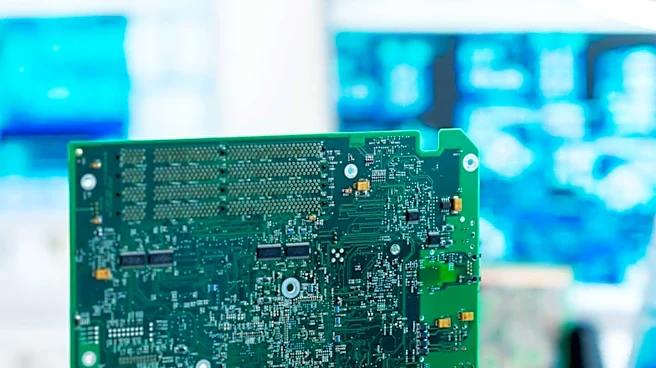
AI, also known as on-device AI, brings that chef into your own home. The AI models are designed to be small and efficient enough to run directly on your smartphone, laptop, or personal computer. Instead of your data traveling to a remote server owned by a tech giant, all the processing happens right where you are. This shift is made possible by more powerful personal devices with specialized hardware like Apple's Neural Engine and new, optimized AI models that don't require a data center's worth of power to function.
The Undeniable Privacy Advantage
The single biggest reason to use local AI is for privacy-sensitive tasks. When your data never leaves your device, the risk of it being exposed, misused, or included in future AI training is eliminated. Think about analyzing your personal financial documents, summarizing confidential business reports, drafting a sensitive HR review, or getting advice on a private health matter. With cloud AI, sending that information to a third party always carries some risk, regardless of privacy policies. Local AI sidesteps that concern entirely. For individuals and businesses dealing with regulated data, proprietary information, or simply personal thoughts, this level of security isn't just a feature—it's a necessity.
More Than Privacy: Speed and Offline Access
Beyond the security benefits, local AI offers tangible performance perks. Because there's no round-trip to the cloud, latency is significantly reduced. This means responses can feel instantaneous, which is critical for real-time applications like live language translation or interactive coding assistants. Furthermore, local AI works without an internet connection. Once the model is on your device, you can use it on a plane, in a remote area, or during a network outage. For cloud-based tools, no internet means no AI. For local AI, it's business as usual, offering a level of reliability and resilience that cloud services can't match.
The Necessary Trade-Offs
Local AI is not without its limitations. The models running on your device are almost always smaller and less powerful than the colossal "frontier" models in the cloud. This can result in lower-quality outputs for highly complex reasoning or creative tasks. Running these models also demands significant processing power and RAM from your device, which can strain resources and drain your battery. The hardware requirements can be steep, and users with standard laptops may find performance lacking. Finally, while cloud models are constantly updated by their providers, keeping local models current can be a more complex, manual process for the user.