


Building the Future is Expensive
In the tech world, you have to spend money to make money, but Microsoft is taking that mantra to a new level. The company's capital expenditures, or CapEx, have soared, hitting roughly $41 billion in a single quarter to close out its 2026 fiscal year.
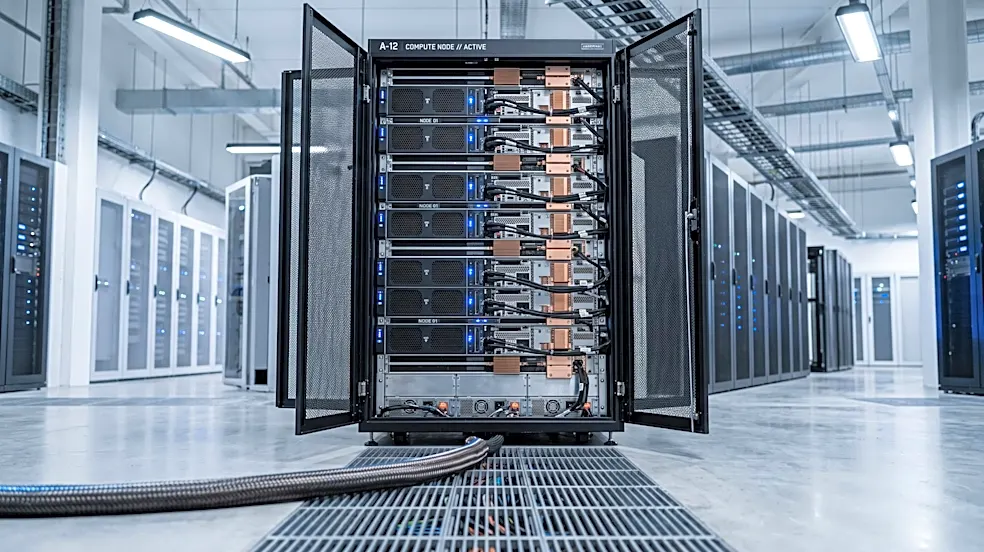
A huge chunk of that spending—nearly $27 billion—went directly to the essential hardware of the AI revolution: CPUs and GPUs, the powerful chips needed to train and run complex AI models. This spending spree is to support what Microsoft sees as overwhelming demand for its cloud and AI services. CEO Satya Nadella and CFO Amy Hood have repeatedly stated that customer demand for Azure AI capacity 'far exceeds' what they can currently supply. To meet it, they've been building data centers at a breathtaking pace, adding 31 in a recent quarter alone. This massive upfront investment is the 'growth' side of the equation—a strategic necessity to build a dominant position in what they believe is the next great computing platform.
Show Me the AI Money
The massive spending is already generating impressive top-line numbers. Microsoft's Azure cloud platform surpassed $100 billion in annual revenue for the first time in fiscal year 2026, with growth accelerating to 43% in the final quarter. This isn't just ambient cloud growth; it's increasingly driven by AI-specific services. A key indicator of direct AI monetization is Microsoft 365 Copilot, the AI assistant embedded in apps like Word and Excel. The service, which costs enterprise customers around $30 per user per month, has already reached over 30 million paid seats. That translates into a potential annual revenue run-rate of over $10 billion from a product that barely existed 18 months ago. This is the 'profit' side of the argument beginning to take shape: tangible, high-margin software revenue that directly justifies the infrastructure spending. Nadella's vision is clear: turn tokens and compute power into concrete business results for customers.
The Wall Street Weigh-In
For a long time, Wall Street cheered every billion Microsoft threw at AI, seeing it as a sign of ambition and future dominance. Now, the mood is more complex. While the company continues to beat earnings expectations, the sheer scale of the spending is causing some anxiety. The key tension was on full display after one recent earnings report where stellar revenue growth was met with a stock dip, purely because the capital spending figure spooked traders. Investors are now scrutinizing the impact on free cash flow, which saw a 23% drop in the fourth quarter of fiscal 2026. The debate is no longer about whether the growth is real, but whether it's profitable growth. Analysts are bullish but cautious, with concerns that heavy AI infrastructure spending and the time required to see returns could weigh on sentiment. The focus has shifted from the size of the backlog—a massive $678 billion in future contracted revenue—to how quickly that backlog can be converted into actual, profitable sales.
Nadella's Grand Bargain
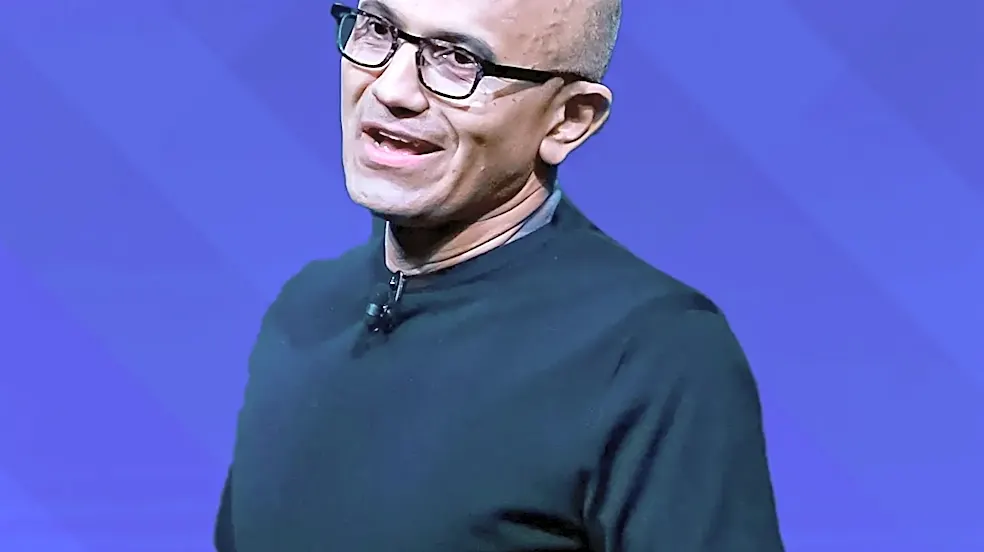
At its core, this is a classic long-term bet, characteristic of Satya Nadella's leadership. Just as he successfully pivoted the entire company to embrace the cloud a decade ago, he is now orchestrating an even more fundamental shift toward AI. He is essentially making a grand bargain with investors: give me the capital to build an insurmountable lead in AI infrastructure now, and I will deliver a new era of growth and profitability for the next decade. The strategy isn't just to win in one area. It's to create a flywheel where Azure provides the foundation, and AI-powered products like Copilot drive high-value software sales on top of it. This integrated approach, where the hardware, data centers, and software all reinforce each other, is something few rivals can match at scale. The question isn't whether Microsoft can afford the bet—with operating margins north of 40%, it certainly can—but whether customers will adopt these AI tools fast enough to make the economics work on Wall Street's timetable.