







OpenAI’s Pitch: Direct Access to the Frontier
OpenAI’s DevDay events feel like a direct address to the true believers. The strategy is clear: provide developers with raw, unmediated access to the most powerful and advanced AI models on the planet. Announcements often focus on radical new capabilities,
like the GPT-4 Turbo model which boasted a massive 128K context window, and the Assistants API, designed to help developers build sophisticated, agent-like experiences. The message is one of pure performance and cutting-edge innovation. For developers who want to work directly with the 'source code' of the AI revolution, OpenAI positions itself as the essential choice. They offer speed, new multimodal functions like vision and advanced text-to-speech, and often, significant price cuts that make previously expensive models more accessible. This approach targets startups and developers who prioritize being at the absolute forefront of AI, willing to build their own infrastructure around OpenAI's powerful core.
Microsoft’s Strategy: The Integrated Empire
Microsoft Build, in contrast, is a showcase for a sprawling, interconnected empire. While OpenAI offers the engine, Microsoft offers the entire car, complete with steering, safety features, and a dashboard that connects to everything else you own. Microsoft’s pitch is built on the Azure cloud platform. Announcements at Build often focus on how AI, including OpenAI's models, is being integrated across the entire Microsoft ecosystem—from 'Team Copilot' acting as a meeting facilitator in Microsoft Teams to new AI capabilities in Microsoft Fabric for data analytics. Microsoft is also developing its own silicon and smaller, specialized AI models like the Phi-3 family, signaling a long-term strategy of self-sufficiency. The appeal is directed squarely at the enterprise. For large companies, the ability to use OpenAI's models within Azure's secure, compliant environment—with established billing, networking, and data residency—is a massive advantage.
The Complication: A Partnership of ‘Co-opetition’
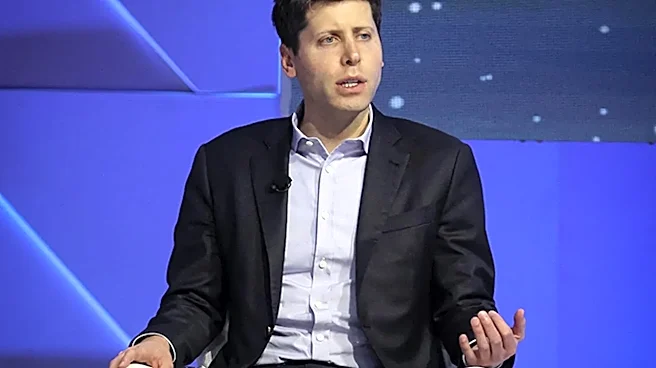
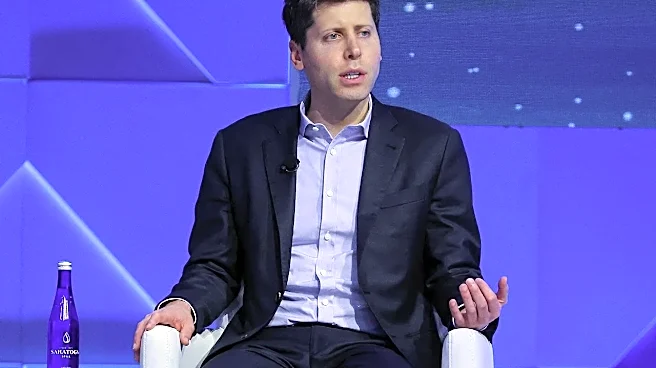
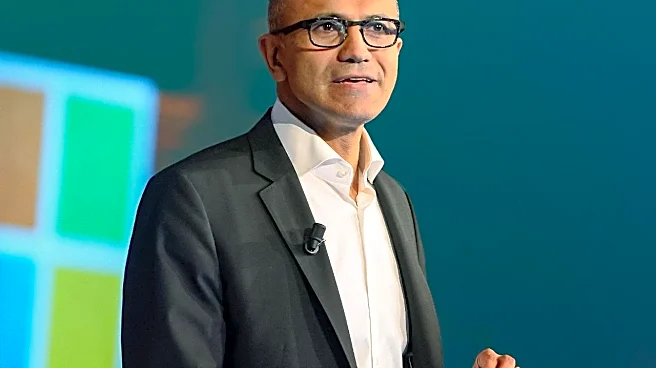
Here’s where it gets complicated: Microsoft is both OpenAI’s biggest partner and, increasingly, its biggest competitor. With a multi-billion dollar investment, Microsoft provides the immense cloud computing power that OpenAI needs to train and run its models. In return, Microsoft gets to offer those same models through its Azure OpenAI Service. This creates a fascinating dynamic. A developer can get a GPT-4 model directly from OpenAI or get the same model through Azure. The choice isn't simple. Going direct to OpenAI often means getting access to the newest models and features weeks or even months earlier. Going through Azure, however, provides enterprise-grade security, guaranteed uptime SLAs, and integration with existing Microsoft services. This 'co-opetition' was on full display when OpenAI CEO Sam Altman and Microsoft CEO Satya Nadella appeared on stage together at DevDay, hailing their partnership even as their companies compete for the same developers.
The Developer’s Dilemma: Speed vs. Stability
For developers and tech leaders, the choice between OpenAI and Microsoft Azure is a strategic one. It boils down to a classic trade-off: do you prioritize immediate access to the bleeding edge, or do you need the stability, security, and integration of an enterprise ecosystem? Startups and research-focused teams often gravitate toward the direct OpenAI API. It’s faster to get started, offers more flexibility, and ensures you're always using the latest and greatest tools available. Large corporations, especially those in regulated industries like finance or healthcare, almost always lean toward Azure OpenAI. The ability to keep data within a specific geographic region, use private networks, and inherit Microsoft's robust compliance certifications (like HIPAA) is non-negotiable. Some organizations even use both: leveraging OpenAI direct for rapid prototyping and R&D, while running production applications on the more stable and secure Azure service. This dual approach highlights that the battle isn't about which platform is 'better,' but which is right for a specific job.