



A Symbiotic and Lucrative Beginning
The foundation of their alliance was simple: OpenAI needed immense computing power and capital to build its groundbreaking AI models, and Microsoft needed a fast track to the forefront of the AI revolution. Microsoft's multi-billion-dollar investment,
totaling over $13 billion, secured it as OpenAI's exclusive cloud provider via Azure and gave it priority access to the technology that now powers many of its flagship products.This partnership turned Microsoft's Copilot features in Office and Windows into reality and supercharged its Bing search engine, instantly making Microsoft a dominant force in generative AI. In return, OpenAI got the resources and distribution needed to scale its ambitious research into world-changing products like ChatGPT. Microsoft received a significant stake in OpenAI and a license to its intellectual property, creating what seemed like a perfectly aligned, mutually beneficial arrangement.
The Inevitable Turn Toward Competition
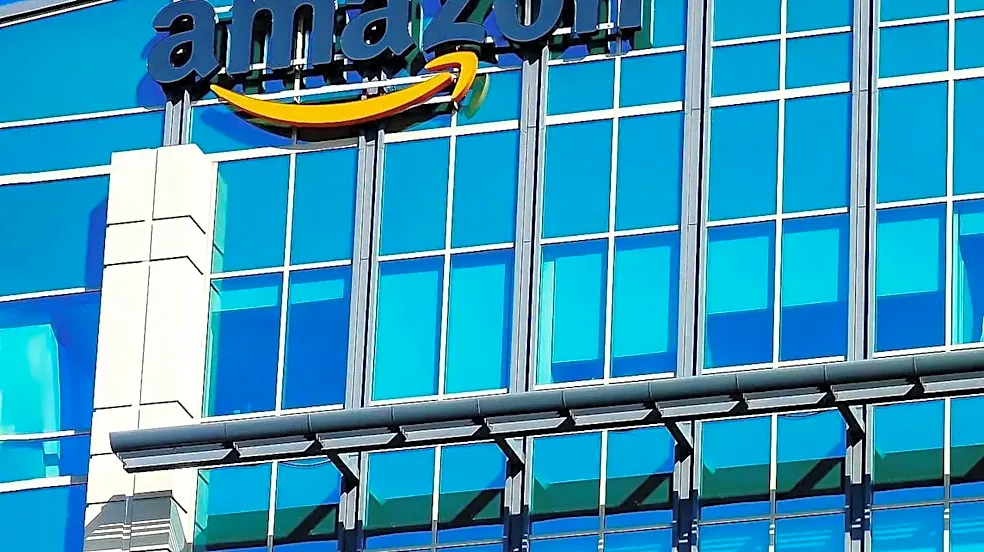
The story, however, is no longer that simple. The dynamic has shifted from pure collaboration to a more complex 'co-opetition'. In recent months, both companies have made moves that place them in direct competition. OpenAI is aggressively pursuing enterprise customers with products like ChatGPT Enterprise, a service that competes with the AI solutions Microsoft sells. Further complicating matters, a 2026 amendment to their agreement ended Microsoft's exclusivity. OpenAI is now free to partner with other cloud providers like Amazon Web Services, a move it has already made, reducing its total dependence on Azure.At the same time, Microsoft is hedging its massive bet. The company has been pouring resources into developing its own family of in-house AI models, codenamed MAI. These models, designed for everything from coding to voice transcription, are increasingly being used to power features in products like Excel and Outlook. This reduces Microsoft's reliance on OpenAI's models and, more importantly, cuts down on the costly royalty-like fees associated with using them.
The Multi-Billion-Dollar Investor Dilemma
This evolving relationship presents a difficult puzzle for investors. The partnership's success has been a massive driver of Microsoft's growth, but its future is now a significant risk factor—a fact OpenAI itself has acknowledged in investor documents. There are two primary risks to consider. The first is that OpenAI, with its soaring valuation and growing independence, could become a powerful direct competitor, leveraging its brand and technology to pull enterprise customers away from Microsoft's ecosystem.The second risk is on Microsoft's side. As its own MAI models become more capable, the company may choose to sideline OpenAI's technology to improve its profit margins. Microsoft CEO Satya Nadella has spoken about a future where models are 'interchangeable', allowing the company to pick the 'right model for the right job' to optimize costs. This strategy makes perfect business sense for Microsoft but could devalue its unique partnership with OpenAI over time, turning a key partner into just another vendor in a crowded marketplace of over 11,000 models Microsoft now offers.
A High-Stakes Balancing Act
Microsoft's public stance is that a multi-model strategy is a strength, offering customers choice and resilience. CEO Satya Nadella has even framed third-party AI models as potential 'insider risks', arguing that the security and control systems must be separate from the models themselves—a clear case for using Microsoft's platform to manage any AI, including OpenAI's. This frames Microsoft not just as a partner or competitor, but as the essential governance layer for the entire AI industry. For now, the partnership remains deeply entangled. Microsoft still holds a non-exclusive license to OpenAI's IP through 2032 and benefits from a revenue-sharing agreement through 2030. OpenAI, in turn, remains committed to billions in spending on Microsoft's Azure cloud. Yet, with every new in-house model Microsoft launches and every new enterprise deal OpenAI signs, the balance shifts. The question is no longer 'if' they will compete, but how they will manage the friction.