



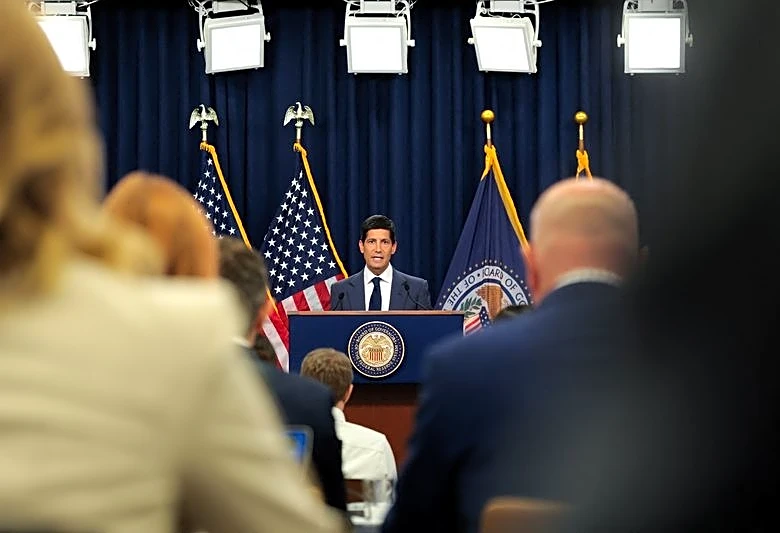




Mark Zuckerberg is building an AI empire, spending with a conviction that borders on religion. But Wall Street, fixated on today's bottom line, is getting nervous. It's a high-stakes standoff between long-term vision and short-term profit.
The Trillion-Dollar Vision
To understand
Mark Zuckerberg’s current strategy, you have to think on a scale that makes most CEOs uncomfortable. He isn’t just trying to build a better AI chatbot; he’s building the digital and physical foundation for what he believes comes next: Artificial General Intelligence (AGI). This means constructing a global network of massive data centers, securing enormous amounts of energy, and buying up graphics processing units (GPUs) by the hundreds of thousands. Meta’s capital expenditure for 2026 is projected to be between $135 billion and $145 billion, a staggering figure that has sent shockwaves through the market. For Zuckerberg, this isn't just spending; it's a strategic necessity to create a 'strategic advantage' in the AI race. He believes that by controlling the underlying infrastructure, Meta can lead the next wave of technology, from hyper-efficient ad targeting to AI assistants that manage your life.
Wall Street’s 'Show Me the Money' Hangover
Investors have a long memory and a short attention span. They remember the tens of billions poured into the Metaverse with little to show for it. Now, they see another massive, cash-burning project and are asking a simple question: When does this pay off? After a period of praised 'efficiency' and cost-cutting, this new spending spree feels like a jarring reversal. The market’s reaction has been swift and skeptical. Recent earnings reports, while showing strong revenue growth in the core advertising business, have been overshadowed by the colossal spending. The company’s free cash flow turned negative in the third quarter of 2026 for the first time in over a decade, a direct result of spending more on AI infrastructure than it generated in cash. For traders and analysts, this raises a red flag. They see a wildly profitable company choosing to burn through cash for a future that remains hypothetical.
Two Paths to Monetization
Zuckerberg’s camp argues the AI investment pays for itself in two ways. First, and most immediately, it makes the existing ad business smarter. AI is already responsible for recommending a huge portion of the content seen on Facebook and Instagram, which keeps users engaged and improves ad performance. Recent results show ad prices and conversions are up, a success Meta attributes to its AI improvements. The second path is longer and more uncertain: creating entirely new, profitable products. This includes the new AI assistant, Muse, which has shown strong early download numbers. The idea is to eventually monetize these agents through subscriptions or by taking a cut of transactions they facilitate. But these new products are currently unprofitable due to high computing costs, and the timeline for them to become a major revenue stream is fuzzy at best.
A High-Stakes Standoff
The core of the conflict is a fundamental disagreement about time. Zuckerberg is playing a decade-long game, aiming for dominance in a future defined by AI. Wall Street, however, operates on a quarterly basis. Investors are questioning whether the scale of spending can be sustained, especially with the company now planning to raise up to $95 billion in new financing to fund the buildout. This move dilutes existing shareholders and signals that the company's own cash flow isn't enough to cover its ambitions. The standoff is forcing a question that all of Big Tech is watching: In an era of cautious investors, can a founder still make an allin bet on a worldchanging vision? The answer isn't just about Meta; it’s a referendum on Silicon Valley's entire philosophy of building the future first and figuring out the profits later.