






1. Ignoring Real-World Battery Life
Manufacturers love to advertise impressive battery life, but those numbers often refer to standby mode. The real question is how long the glasses last during active use. As soon as you start using features like an AR display, AI assistant, or video recording,
the battery drains rapidly, often lasting just a few hours. Look for reviews that test active use time, not just the company's marketing claims. A pair of glasses that dies before your workday is over defeats the purpose of being a constant companion.
2. Prioritizing Specs Over the Software Ecosystem
A powerful processor and high-resolution camera look great on paper, but the software is what brings smart glasses to life. The operating system determines which apps you can use, how well the AI assistant functions, and whether the device will receive useful updates in the future. A closed ecosystem, like that of some major brands, might offer a polished experience but limit flexibility. Before buying, consider what you want the glasses to do and ensure the software platform supports those functions, from AI translation to third-party app integration.
3. Underestimating Comfort and Weight
If a pair of smart glasses isn't comfortable, you won't wear it. Many buyers get caught up in features and forget that the device will be sitting on their face all day. Any pair weighing more than 50 or 60 grams can quickly cause pressure on your nose and ears, leading to fatigue. The first generation of smart glasses was often heavy and clunky. While designs have improved, it's still a critical factor. Look for models made from lightweight materials and, if possible, try them on before you buy.
4. Falling for Gimmicky Features
The market is flooded with different types of smart glasses, from audio-only AI assistants to full AR displays. It's easy to be tempted by a long list of features, but many of them sound better in theory than in practice. Do you really need a floating display for notifications, or will it just be a constant distraction? Is a built-in camera essential, or will an audio-first AI be more useful for your daily routine? Define your primary use case first—whether it's hands-free photos, a private movie screen, or a discreet assistant—and choose a device that excels at that, rather than one that does many things poorly.
5. Neglecting Privacy and Social Acceptance
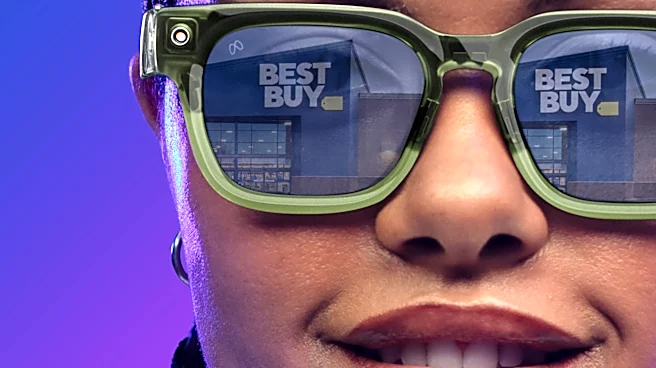
Walking into a meeting or a social gathering with a camera on your face can create immediate discomfort for others. Privacy is a major concern, with many people wary of being recorded without their knowledge. This has led to pushback and even bans in certain places. Many models now include an LED light to indicate when they are recording, but these are often subtle. Consider your environment and how a visible camera will be perceived. For many professional or discreet use cases, a camera-free model is often the more practical and socially acceptable choice.
6. Forgetting Prescription Lens Compatibility
For the millions of people who already wear glasses, this is a non-negotiable point that is easy to overlook. Not all smart glass frames are compatible with prescription lenses, and for those that are, the process isn't always straightforward. Some require custom-made lens inserts, while others have limitations on the types of prescriptions they can accommodate, such as for strong astigmatism or progressive lenses. Before you fall in love with a specific model, confirm that it can be fitted with your specific prescription without compromising comfort or function.
7. Confusing Different Types of Smart Glasses
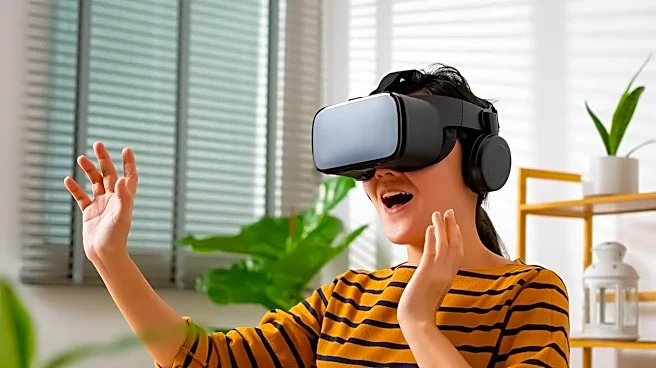
The term "smart glasses" has become an umbrella for several distinct product categories. Some are essentially wearable private screens for watching movies or gaming. Others are audio-first devices that act as AI assistants. A third category focuses on augmented reality, overlaying digital information onto the real world. It's a common mistake to buy one type when you really needed another. For example, purchasing translator glasses without a display when you were expecting a gaming device will lead to disappointment. Understand the difference between AI glasses, AR glasses, and simple display glasses to ensure you get the device you actually want.