









It's More Than Just a Numbers Game
When you buy a pre-built computer, the box shouts impressive numbers: gigahertz, gigabytes, and core counts. These specs are important, but they don’t tell the whole story. Performance, especially for casual home use like web browsing, email, and streaming,
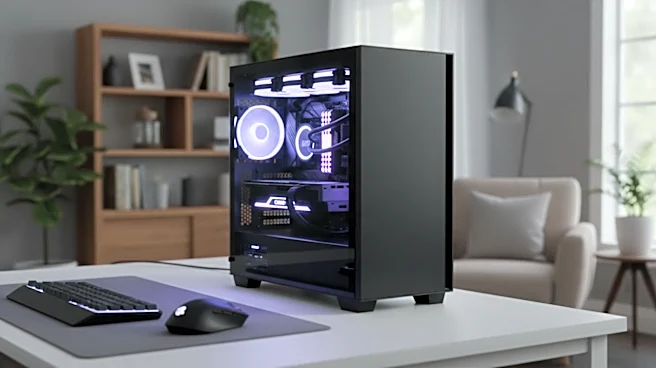
isn't just about raw processing power. It’s about responsiveness—how quickly the machine reacts to your clicks. A custom-built PC allows you to create synergy between components. You're not just throwing the most expensive CPU in a box; you're matching a capable processor with fast RAM and, most importantly, a speedy solid-state drive (SSD) for the operating system. This balance ensures that no single component is holding the others back, creating a smooth and seamless user experience that often feels faster than a system with a top-tier processor but a slow, old-fashioned hard drive.
The Hidden Drag of Bloatware
The single biggest culprit behind a sluggish new PC is bloatware. These are the pre-installed applications that manufacturers are often paid to include on their systems. From antivirus trials you never asked for to game launchers and proprietary 'helper' apps, this software clutters your system from the moment you first turn it on. These programs often run in the background, consuming valuable CPU cycles and RAM, which slows down everything from boot times to opening a simple document. When you build your own PC, you start with a clean installation of the operating system. There are no unnecessary applications vying for resources, meaning the computer's full power is dedicated to the tasks you're actually doing. This 'clean slate' advantage is one of the most significant reasons a thoughtfully assembled home PC feels so much more responsive.
Quality Over Quantity in Components
To hit a specific price point, pre-built manufacturers often make compromises on parts that aren't listed in bold on the marketing materials. They might pair a great processor with a low-quality motherboard, a slow batch of RAM, or an underpowered and inefficient power supply. While the computer technically 'works,' these compromises can create subtle bottlenecks and limit future upgrade potential. A home builder, on the other hand, controls every single choice. You can opt for a slightly less powerful CPU but invest the savings in a high-quality motherboard and a reliable power supply from a trusted brand. You can choose RAM with better speeds or an NVMe SSD that dramatically cuts down on loading times for your operating system and favorite programs. For day-to-day use, the speed of your storage drive often has a far greater impact on perceived performance than a fractional increase in processor clock speed.
A System Tailored to You
Ultimately, a custom-built PC outperforms its spec sheet because it is tailored precisely to its user's needs. You aren't paying for a high-end graphics card if you only plan to check email and watch videos. Instead, that budget can be allocated to components that enhance the everyday experience. This targeted approach avoids waste and maximizes value. The person building the PC knows exactly what it will be used for and can optimize every component choice for that purpose. In contrast, a mass-market pre-built machine is designed for a generic, hypothetical user, loaded with software and hardware that many people will never use. This fundamental difference in philosophy is why a focused, clean, and balanced custom build will almost always feel better to use, proving that real-world performance is about much more than what's written on the box.