




The Seductive Smart Sanctuary
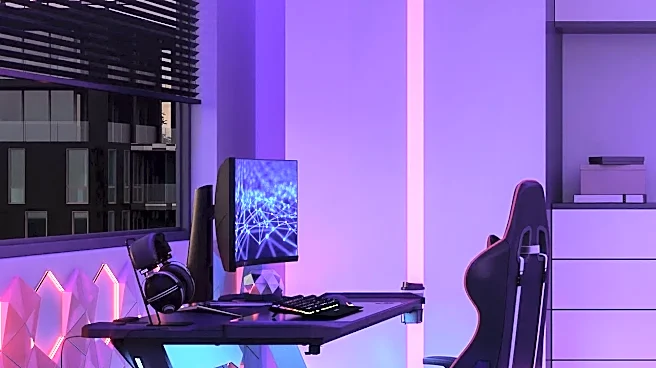
The modern game room is a testament to technological ambition. It’s more than just a big screen and a comfy chair; it’s a personalized, automated environment. The dream, sold to us by brands like Philips Hue, Nanoleaf, and Govee, is one of seamless immersion.
With a few taps or a simple voice command, your entire room can sync with the action on screen. Smart light panels flash red and blue as you dodge blaster fire, LED strips under your desk glow with your team’s colors, and smart plugs power up your whole setup on schedule. It’s a powerful fantasy, and for the most part, the individual products are brilliant. Reviews consistently praise them for their vibrant colors, slick apps, and futuristic aesthetics. They look amazing on a shelf and perform beautifully in a controlled test. But the real world of a game room is rarely so simple.
What the Spec Sheets Always Tell You
When you're shopping for these devices, reviews tend to fixate on a standard set of metrics. They'll compare the brightness (lumens), the color accuracy, the speed of the lighting effects, and the ease of physical installation. They’ll walk you through the manufacturer’s app, showing off the cool presets and customization options. And this information is certainly useful. You want to know if a light strip is bright enough or if its screen-mirroring function can keep up with a fast-paced shooter. The problem is that these reviews often test each product in a vacuum. They evaluate a Nanoleaf setup on its own, or a collection of Philips Hue lights together. What they frequently miss is the single most important factor for a truly 'smart' room: how these devices play with others.
The Hidden Detail: Ecosystem 'Handcuffs'
Here’s the hidden detail that can turn your smart room dream into a frustrating mess: ecosystem fragmentation. While you might buy the 'best' lights, the 'best' smart plugs, and the 'best' streaming device, you may find they barely talk to each other. Each brand wants to lock you into its own ecosystem. Your Govee lights may not want to sync with your Corsair gaming keyboard's lighting effects. Your TP-Link Kasa smart plug has no idea you just activated 'game mode' in your Philips Hue app. This forces you to become a digital juggler, bouncing between three or four different apps just to set a scene. This fragmentation is the opposite of the seamless, automated experience you paid a premium for. It turns your collection of expensive smart gadgets into a disjointed, clunky system that's often more work than just flipping a switch.
But What About 'Matter'?
The industry's big solution to this problem is a universal standard called Matter. In theory, if a device is Matter-certified, it should work with any other Matter-certified device, regardless of the brand. And while it’s a huge step forward, it's not a magic bullet—especially for gaming. As of 2026, Matter's rollout is still a work in progress. While it can handle basic commands like turning a light on or changing its color, it doesn’t yet cover the high-speed, low-latency data syncing needed for complex, game-specific effects like screen mirroring. Those advanced features often remain proprietary, locked within a brand's own software. So, buying a 'Matter-compatible' light doesn't guarantee it will sync with your game in the dynamic way you expect. It might connect to your Google Home or Apple HomeKit for simple controls, but the cool, immersive gaming features could still be walled off.
How to Build a Smarter Game Room, For Real
So, how do you avoid the trap of ecosystem handcuffs? First, before you buy anything, decide on a primary ecosystem and try to stick with it. If you're a PC gamer, Corsair's iCUE platform has strong integrations with brands like Nanoleaf. Philips Hue has a robust ecosystem that includes many partnerships, though it comes at a premium. Second, look beyond reviews for real-world user experiences. Check forums like Reddit to see if people have successfully integrated the exact combination of devices you want to use. Users there will be brutally honest about what works and what requires frustrating workarounds. Finally, pay attention to the longevity of software support. A smart device is only as good as its last update. Research from consumer groups and even the FTC shows that many manufacturers are unclear about how long they'll support their products, potentially leaving your expensive gadget insecure or useless in just a few years.