









The RouterOS 'One Size Fits All' Philosophy
The magic and the confusion of MikroTik both stem from one place: RouterOS. This is the company’s powerful and incredibly flexible network operating system. It runs on nearly every piece of hardware they make, from a $40 hAP mini home router to a $3,000
Cloud Core Router (CCR) meant for an internet service provider. This creates a powerful illusion. Because the software interface is identical, it’s easy to assume the capabilities are, too. You can configure complex BGP routing, VPNs, and intricate firewall rules on the cheapest device just as you can on the most expensive. This software parity is MikroTik’s greatest strength and its most significant user trap.
The All-Important CPU vs. Switch Chip Divide
In networking, not all data processing is created equal. There are two primary ways a device handles traffic: with its main processor (CPU) or with a specialized, lightning-fast chip called a switch chip (or ASIC). Switching simple traffic between ports on the same network is a job for the switch chip—it’s designed for this and can do it at full line-rate speed. Routing traffic between different networks, managing firewalls, handling VPN encryption, or running complex queues are all jobs for the CPU. A device's true “production” performance is determined by how well it can handle its intended workload. A cheap device with a powerful switch chip and a weak CPU might look great on paper but will grind to a halt the moment you ask it to do any serious *routing*.
The Cloud Router Switch (CRS) Trap
The most common victim of this divide is the user who buys a Cloud Router Switch (CRS) expecting it to be a powerful router. The name itself is misleading. These devices are fantastic Layer 2 switches, boasting a large number of high-speed ports (like 10Gbps SFP+) for a very low price. They have a switch chip that handles basic port-to-port traffic beautifully. However, they are built with notoriously weak CPUs. As long as you use them for switching, they fly. The second you try to implement inter-VLAN routing, a complex firewall, or significant VPN traffic, the workload gets punted from the fast switch chip to the slow CPU. The result? A 10Gbps-capable device that can barely route 1Gbps. In production, a CRS is a switch; a CCR (Cloud Core Router) is for routing.
Matching the Tool to the Production Job
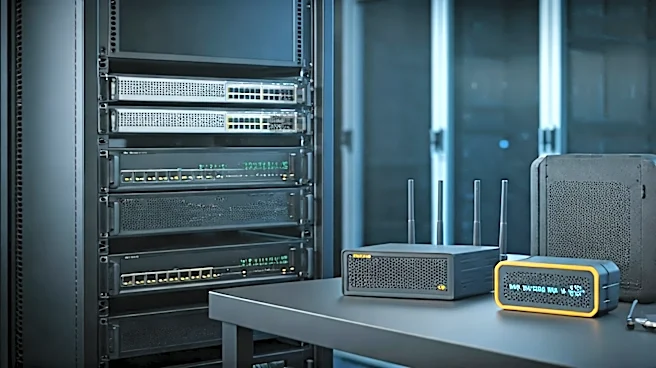
Experienced network engineers build production MikroTik networks like they’re using a toolkit, not a single magic box. They understand the hardware's strengths and weaknesses and deploy devices based on their specific role, not their marketing name or full feature list. A typical stable setup might look like this: * **Edge Routing:** A Cloud Core Router (CCR) with its powerful multi-core CPU handles the main internet connection, firewall, and VPNs. * **Core Switching:** A Cloud Router Switch (CRS) connects servers and other high-speed devices, but all its routing functions are disabled. It operates purely as a fast Layer 2 switch. * **Wireless Access:** Multiple hAP or cAP devices, managed by the central router's CAPsMAN system, provide Wi-Fi coverage. They are built for wireless, not for heavy routing. This approach costs more than a single, oversized “do-it-all” device, but it’s vastly more stable and performant because each component is operating well within its hardware capabilities.